Renewables – Recent Advances in Plastic Upcycling to Carbon Nanotubes and Hydrogen The Plastic Waste Challenge The global use of plastics is staggering, with more than 8.3 billion tonnes produced over the past decades 27-08-2025 - Archive
Renewables
Crude Oil Prices Trend
Toyota’s Bold Move: New Combustion Engines to Challenge Full Electrification
In a significant departure from the prevailing trend of a headlong rush towards full electrification, Toyota is doubling down on a different strategy. The Japanese automaker, known for its forward-thinking approach, is once again charting its own course, this time by developing a new generation of internal combustion engines. This strategic choice, made in collaboration with iconic brands Subaru and Mazda, is not a rejection of electric vehicles, but rather a pursuit of a “multi-pathway” philosophy to achieve carbon neutrality, offering a more flexible and realistic approach to a global transition. Renewables
Table of Contents
For years, the automotive industry has been moving in lockstep towards a single, all-electric future. However, as Toyota’s Vice President for Europe, Andrea Carlucci, recently stated, “We will not push electric vehicles into markets where there is no demand.” This simple statement reveals the core of Toyota’s strategy: a commitment to providing diverse solutions that meet the varied needs of global consumers and market conditions. Rather than a one-size-fits-all approach, Toyota is betting on a more adaptable and sustainable model.
A Strategic Pivot: Beyond Full Electrification
While many automakers are investing heavily in pure battery electric vehicles (BEVs), Toyota has formed a powerful alliance with Subaru and Mazda to focus on developing new internal combustion engines. This collaboration is not a step backward; it’s a calculated move to create engines that are lighter, more compact, and, most importantly, incredibly versatile. Renewables
The new 1.5- and 2.0-liter four-cylinder engines are designed to be the heart of a flexible powertrain, capable of powering everything from classic hybrids to electric vehicles with a range extender, and even vehicles that run on alternative fuels.
This strategy addresses a key limitation of the all-electric approach: the lack of infrastructure and consumer readiness in many parts of the world. By developing engines that can be part of various powertrain configurations, Toyota can offer a wide range of vehicles that can adapt to different energy sources, ensuring a smoother and more accessible transition for consumers globally. This approach acknowledges that the path to carbon neutrality is not a straight line, but a network of interconnected routes.
The New Engine Partnership: Lighter, Smarter, More Versatile
Extended Range Electric Vehicles (ELEVs)
A cornerstone of this new strategy is the development of Extended Range Electric Vehicles (ELEVs). Renewables
In an ELEV, the internal combustion engine is not used to directly power the wheels. Instead, it acts as a generator, charging the vehicle’s batteries while on the move. This concept has been explored before by brands like BMW with the i3 REX and Mazda with the MX-30, but Toyota aims to scale this technology significantly. This approach is particularly relevant for markets like China, where the demand for large SUVs and MPVs is high, but the charging infrastructure may not be as robust as in other regions.
An ELEV offers the best of both worlds: the clean, quiet operation of an electric vehicle for short trips, and the peace of mind of a gasoline engine to eliminate range anxiety on longer journeys. This flexible solution is a strong alternative to pure BEVs, especially for consumers who may not have access to home charging or a well-developed public charging network. Renewables
A Focus on Efficiency and Alternative Fuels
Efficiency remains a top priority for Toyota. The company has already achieved a remarkable 41% thermal efficiency in its 2018 engines, and the new models are designed to surpass that benchmark. This not only improves performance but also significantly reduces fuel consumption and emissions. Even more critically, the new engines are being developed with full compatibility for a wide range of alternative fuels, including biofuels, hydrogen, and synthetic fuels.
This forward-looking compatibility provides a hedge against the uncertainties of future fuel markets. It ensures that Toyota vehicles can adapt to a variety of energy sources, allowing for continuous decarbonization without forcing a single, expensive solution on consumers. This “multi-pathway” approach is a direct reflection of President Akio Toyoda’s vision, which prioritizes a diverse and inclusive approach to sustainable mobility. Renewables
“We will not push electric vehicles into markets where there is no demand.”
— Andrea Carlucci, Vice President of Toyota Europe
Powering the Future of Performance
The new engine development also has a place in the world of high-performance vehicles. For its sports models under the Gazoo Racing division, a high-performance version of the new 2.0-liter turbo engine is planned. This engine is expected to deliver up to 600 horsepower in a competition setting, a figure that is sure to excite enthusiasts. This commitment to performance demonstrates that Toyota believes technological innovation can coexist with the thrill of driving, even in an era where the roar of an internal combustion engine is becoming a rare sound. Renewables
This dedication to performance is not just for show; it serves as a testing ground for new technologies that can eventually trickle down to mainstream vehicles. It also keeps the brand’s heritage alive, appealing to a segment of the market that values driving dynamics and engineering prowess. It’s a smart move that combines a legacy of performance with a future of innovation.
Rethinking Vehicle Architecture
Beyond the engines themselves, Toyota is fundamentally rethinking vehicle design. Traditionally, automakers have adapted platforms designed for internal combustion engines to accommodate electric powertrains. Toyota is now exploring the reverse: starting from native electric platforms and making them compatible with hybrid and plug-in hybrid powertrains without compromising performance or design. This approach offers unprecedented design and manufacturing flexibility, allowing for a more streamlined and efficient production process. Renewables
This “inside-out” design philosophy is a game-changer. It allows Toyota to build a single, scalable platform that can support multiple powertrain options, from pure electric to hybrid, depending on market demand and consumer preference. It is a true turning point in automotive engineering, moving away from rigid, legacy designs and embracing a more modular and adaptable future.
The “Multi-Pathway” Philosophy: A Response to Reality
In an industry often driven by passing fads and a singular focus, the vision of Toyota and President Akio Toyoda seems almost counter-current. But it is precisely this pragmatic and diverse approach that makes it so compelling. By offering multiple paths to decarbonization, Toyota is providing a concrete response to the varying needs of consumers and the different conditions of global markets. Not everyone has the infrastructure or the financial means to switch to a pure BEV, and a multi-pathway strategy acknowledges this reality. Renewables
This approach is not a loud, disruptive revolution, but a thoughtful and gradual transformation. It is fueled by innovation, flexibility, and a deep respect for the complexities of the real world. By investing in a new generation of versatile engines, Toyota is not just building cars; it’s building a sustainable future that is accessible to everyone, everywhere. It is a powerful reminder that the best solutions are often those that are the most adaptable.
Conclusion: A Gradual Transformation
Toyota’s bold move to develop new internal combustion engines in partnership with Subaru and Mazda is a calculated step that challenges the industry’s focus on a single, fully electric future. By focusing on flexible powertrains, extended-range electric vehicles, and a multi-pathway approach, the company is positioning itself as a leader in sustainable mobility for a diverse global market. Renewables
This strategy acknowledges the complexities of consumer needs and infrastructure readiness, offering a more realistic and inclusive transition to a cleaner future. It is a testament to the company’s commitment to innovation and its ability to look beyond the immediate trend to build a truly sustainable and resilient business.
More…
Origin Materials Launches First PET Caps in Stores with Power Hydration
Table of Contents
Introduction
On August 14, Origin Materials, Inc. announced a groundbreaking milestone: the first PET caps are now available in stores. This innovation was made possible through a partnership with Power Hydration, a new alkaline beverage brand that emphasizes clean hydration and sustainability. The collaboration introduces consumers to fully recyclable bottles featuring PET caps, an industry-first achievement that aligns with the growing demand for eco-friendly packaging. Renewables

What Are PET Caps?
PET (polyethylene terephthalate) is widely used in beverage bottles, but until now, bottle caps were typically made from different plastics, complicating the recycling process. Origin’s innovation allows both the bottle and the cap to be made entirely from PET. This makes recycling simpler, reduces waste, and enhances the circular economy for plastics.
“A commercially scalable PET cap on a PET bottle is an industry first, representing a significant step forward in the adoption of Origin’s cap platform,” said John Bissell, CEO of Origin Materials. Renewables
Origin Materials’ Sustainability Milestone
With the launch of PET caps, Origin Materials has delivered on its vision of improved recyclability and performance. This step sets a new benchmark for the beverage industry by making packaging fully recyclable from top to bottom. Origin’s PET caps, branded as the 1881 closure, symbolize the shift toward mono-material solutions that simplify recycling infrastructure worldwide.
Power Hydration Partnership
Power Hydration, a forward-thinking beverage company, became the first brand to bring these innovative PET caps to consumers.
Their alkaline water, bottled with Origin’s recyclable packaging, is now available in select California stores. Renewables
“Together, we are making beverages with recyclable PET caps available to consumers in stores. This is a tremendous milestone for the industry,” said George Kotzeff, Co-Founder of Power Hydration.
Impact on Consumers
For consumers, the launch means more than just sustainable packaging—it represents cleaner choices at the shelf.
Shoppers can now enjoy hydration from a bottle and cap that can be recycled together, eliminating the need to separate components before disposal. This user-friendly sustainability encourages greater participation in recycling efforts. Renewables
The Future of PET Packaging
The PET cap innovation is only the beginning. Origin Materials is building a robust customer pipeline that includes major beverage brands and smaller disruptors. This launch with Power Hydration proves that smaller, agile brands can lead the way by adopting cutting-edge sustainable technologies before industry giants catch up.
Conclusion
The launch of PET caps with Power Hydration marks a new era in beverage packaging. By combining sustainability with consumer convenience, Origin Materials demonstrates that eco-innovation is not just possible—it’s scalable. For brands, it’s a call to embrace recyclable solutions. For consumers, it’s a chance to support companies that prioritize environmental responsibility. And for the digital ecosystem, optimizing how this story is shared online ensures it reaches and resonates with audiences across search engines, social media, and even AI-driven platforms. Renewables
Trinseo Launches $20 Million Recycling Project in Zhangjiagang, China
Table of Contents
Project Overview
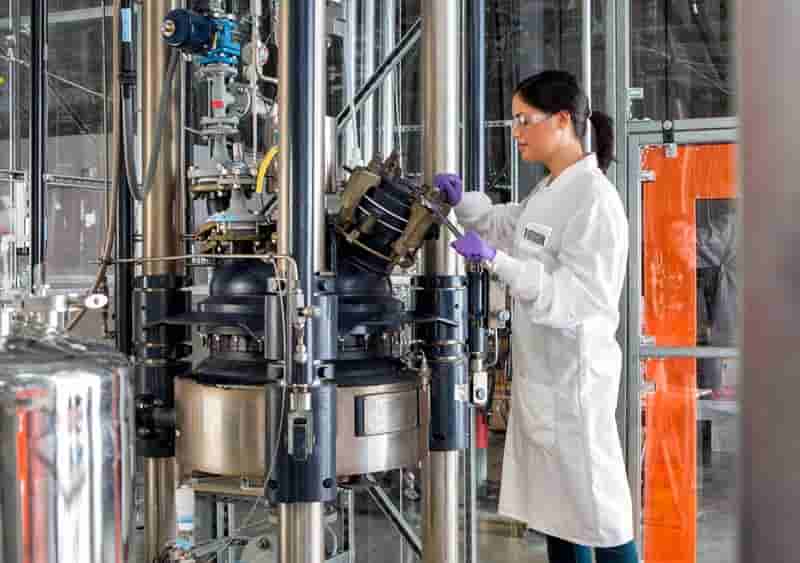
Trinseo, a global materials solutions provider, has signed a strategic agreement to establish a state-of-the-art recycling polycarbonate (PC) project in the Zhangjiagang Free Trade Zone, China.
This landmark initiative represents an investment of approximately
US$20 million.
The project aligns with Trinseo’s long-term sustainability goals and supports China’s ambitions in advancing circular economy initiatives.
Phase I Production Capacity
The first phase of the Zhangjiagang recycling facility is designed to achieve an annual production capacity of 5,000 tons.
This marks a significant step in Trinseo’s strategy to deliver high-performance, sustainable materials while reducing reliance on virgin plastics. Renewables
“This project introduces cutting-edge recycling technologies that address both market demand and global sustainability challenges.”
Key Leaders and Attendees
The agreement signing ceremony was attended by high-level officials and
corporate leaders, underscoring the strategic importance of the project.
Key attendees included:
- Han Wei, Secretary of the Zhangjiagang Municipal Party Committee
- Frank Bozich, CEO of Trinseo
- Han Hendriks, Global Senior Vice President of Trinseo Renewables
- Arthas Yang, Global Senior Vice President & President of Trinseo Asia Pacific
Government Perspective and Support
During the event, Han Wei emphasized that the project brings advanced technology and strong market potential, aligning seamlessly with Zhangjiagang’s industrial growth strategy.
He highlighted the government’s commitment to building a market-oriented, law-based, and international business environment. Han Wei expressed confidence that this cooperation will accelerate high-quality development and attract additional global
investments. Renewables
Trinseo’s Vision for Growth
Frank Bozich, CEO of Trinseo, expressed gratitude for the continued support from local authorities and the Free Trade Zone Administration. He noted that Trinseo’s stable growth in Zhangjiagangwas made possible by this supportive environment.
With the launch of the recycling project, Trinseo will expand its Asia Pacific footprint while driving forward innovations in sustainable material technologies. The company aims to play a pivotal role in fostering a more resilient and resource-efficient
circular economy. Renewables
Economic and Environmental Impact Renewables
The Zhangjiagang project is not only a financial investment but also a
statement of intent towards sustainable development. The facility will:
- Reduce plastic waste through advanced recycling technologies
- Enhance supply of sustainable materials for industries like automotive and electronics
- Generate local employment opportunities
- Support China’s environmental protection and carbon neutrality goals
This initiative strengthens the synergy between corporate innovation and public policy, ensuring that growth remains environmentally responsible. Renewables
Conclusion
Trinseo’s $20 million recycling project in Zhangjiagang stands as a milestone in sustainable manufacturing and international cooperation. With strong government support, advanced technology, and a clear commitment to the circular economy, the project
promises to deliver economic, environmental, and social benefits.
As digital reporting and SEO optimization amplify its visibility, this initiative becomes more than an industrial investment—it evolves into a model for sustainable growth in the global materials sector. Renewables

Recent Advances in Plastic Upcycling to Carbon Nanotubes and Hydrogen
Table of Contents
Introduction
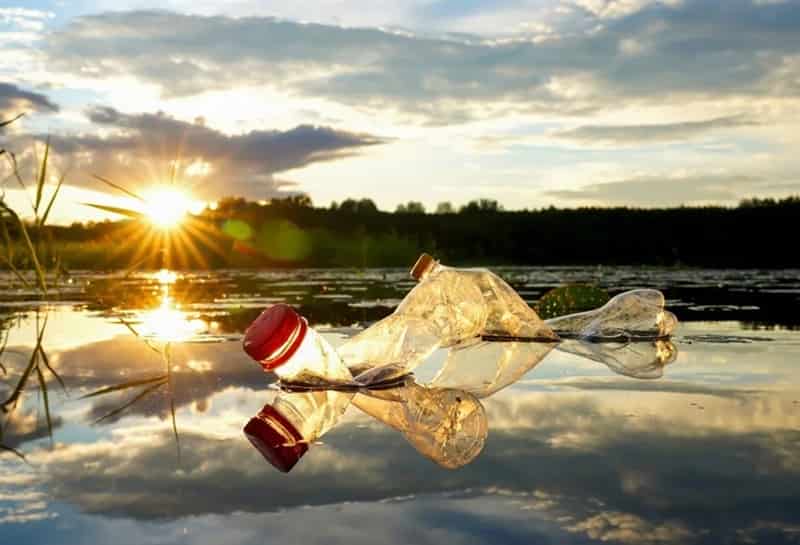
Plastic waste is often seen as a growing environmental catastrophe. Yet, new research suggests it may also be a valuable resource. By applying advanced catalytic and thermochemical processes, scientists are converting discarded plastics into carbon nanotubes (CNTs) and clean hydrogen. These breakthroughs could help both reduce pollution and fuel a low-carbon economy.
The Plastic Waste Challenge
The global use of plastics is staggering, with more than 8.3 billion tonnes produced over the past decades. Renewables
Plastics are lightweight, durable, and versatile—traits that make them indispensable across industries but also problematic when it comes to disposal.
Today, over 75% of plastics end up in landfills or scattered as waste. Incineration releases harmful emissions, while traditional recycling struggles with contamination and polymer diversity. Meeting EU Directive 94/62/EC targets for recycling 50–55% of plastics by 2030 remains a steep challenge.
Why Upcycling Plastics Matters
Unlike downcycling, where plastics are reused in lower-grade applications, upcycling transforms waste into high-value products. Two standouts include:
- Hydrogen – A clean energy carrier central to decarbonization strategies.
- Carbon Nanotubes – Materials with exceptional strength, conductivity, and thermal properties, used in electronics, batteries, and composites. Renewables
Upcycling makes recycling more profitable while reducing environmental burdens, aligning economic growth with sustainability goals.
Carbon Nanotubes via Pyrolysis
Pyrolysis is one of the most established methods in chemical recycling. By heating plastics in the absence of oxygen, it breaks them down into gas, liquid, and solid fractions. Researchers have demonstrated that these gases can serve as feedstock for both carbon nanotube synthesis and hydrogen production.
A research team at the Ulsan National Institute of Science and Technology found that waste masks, once difficult to recycle, could be converted via pyrolysis into gases that are then catalytically transformed into high-purity CNTs and hydrogen. Importantly, this process does not require prior separation of different plastic types. Renewables
By incorporating renewable energy into the system, this approach could achieve lower emissions than conventional CNT production while operating at commercial scale.
Microwave-Initiated Catalytic Plastic Upcycling
Another cutting-edge approach involves microwave-assisted catalysis. Unlike conventional heating, microwaves deliver energy directly to catalytic sites, enabling highly efficient reactions. Specialized catalysts, such as FeAlOx, absorb microwaves and accelerate plastic decomposition.
The result? Impressive hydrogen yields and the formation of CNTs at lower energy costs. A study published in the Chemical Engineering Journal demonstrated how bimetallic catalysts like NiCo₃Ox and NiFe₃Ox achieved hydrogen yields up to three times higher than traditional methods, with selectivity rates above 80%. Renewables
These innovations highlight how catalyst design—particularly with synergistic bimetallic systems—can revolutionize efficiency and scalability.
Tackling Hard-to-Recycle Plastics
Contaminated plastics, such as food packaging and thin films, present unique challenges for recycling. Researchers at Nanyang Technological University developed a two-stage process to handle such waste streams.
First, plastics undergo pyrolysis at extreme temperatures, generating syngas. Then, through catalytic chemical vapor deposition, the syngas is converted into carbon nanotubes. Using dry purification techniques, metals can be recovered efficiently without wastewater—a crucial step toward Singapore’s Zero Waste Masterplan.
This method transforms even the most stubborn waste into high-value outputs, offering a roadmap for circular solutions in urban regions. Renewables
Photocatalyzing Plastics with Sunlight
Photocatalysis provides a low-energy alternative by harnessing sunlight. Semiconductors activate under light exposure, driving chemical reactions that break down plastics into useful molecules while producing hydrogen gas.
For instance, a study using MXene/ZnₓCd₁₋ₓS composites reported hydrogen evolution rates exceeding 14 mmol g⁻¹ h⁻¹ while simultaneously degrading PET plastics into valuable organics. By fine-tuning catalyst composition, researchers maximized light absorption and charge separation efficiency. Renewables
This dual benefit—plastic degradation plus clean energy generation—positions photocatalysis as a promising tool for sustainable waste management.
Future Outlooks & Policy Implications
While promising, these technologies must overcome challenges in cost, scalability, and infrastructure. Developing affordable catalysts and integrating renewable energy sources are essential for true environmental benefits.
Policy support will also play a pivotal role. Governments can accelerate adoption by incentivizing upcycled products, setting stricter landfill restrictions, and funding pilot projects that bridge lab breakthroughs to industrial reality. Renewables
With coordinated action between researchers, industry, and policymakers, the vision of plastics as a resource—not just waste—can become a cornerstone of the circular economy.
Fujifilm at Labelexpo Europe 2025: A First Look at Next-Generation Label & Packaging Innovations
Table of Contents
- Introduction
- Breakthroughs in Flexo Plate Technology
- Revolutionizing Flexo Plate Processing & Workflow
- Advancements in Digital Flexible Packaging
- On Stage with Fujifilm: Expert Talks & Insights
- The Chilled Hour: Networking with a Twist
- Fujifilm’s Vision for the Future Renewables
- How to Visit Fujifilm at Labelexpo 2025
Introduction
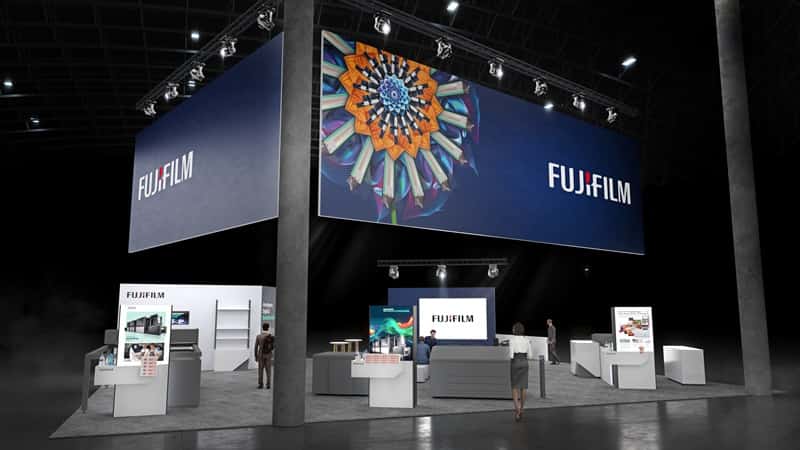
Fujifilm is set to make a major impact at Labelexpo Europe 2025, one of the world’s largest events for label and package printing. At stand 5D73, visitors will be introduced to groundbreaking innovations in both analogue and digital label production.
Alongside these innovations, Fujifilm is curating a daily program of industry talks, success stories, and networking opportunities, ensuring that every attendee leaves with valuable insights into the future of label and packaging production.
Breakthroughs in Flexo Plate Technology
One of the biggest highlights at Fujifilm’s stand will be the unveiling of a new family of flexo plates. These plates are optimized to meet the most demanding requirements of today’s print environments, delivering unmatched precision, durability, and consistency.
For businesses focused on quality and sustainability, this development represents a significant step forward, providing higher efficiency while reducing waste in the printing process. Renewables
Revolutionizing Flexo Plate Processing & Workflow
Beyond new plate materials, Fujifilm will present an innovative approach to flexo plate processing. This new method is designed to simplify workflows, improve turnaround times, and lower operational costs.
By rethinking the entire plate production cycle, Fujifilm is aiming to help printers achieve higher productivity while reducing complexity and bottlenecks in their day-to-day operations.
Advancements in Digital Flexible Packaging
Digital print solutions will also take center stage, with major updates to the Jet Press FP790, Fujifilm’s flagship digital flexible packaging press. Renewables
The updates include expanded capabilities, greater application versatility, and improved efficiency—empowering converters and brand owners to respond faster to shifting market demands and consumer expectations.
With sustainability as a key driver, these upgrades align with the growing need for packaging solutions that are not only functional and creative but also environmentally responsible.
On Stage with Fujifilm: Expert Talks & Insights Renewables
In addition to showcasing technology, Fujifilm will host “On Stage with Fujifilm”, a series of four short interactive sessions held daily. These talks will feature industry experts, partners, and real-world customers who will share:
- Success stories in label and packaging production
- Insights into emerging market opportunities
- Practical advice for embracing digital transformation
These sessions are designed to provide actionable insights, helping printers and converters apply lessons directly to their own businesses.
The Chilled Hour: Networking with a Twist Renewables
Each day at the close of the program, Fujifilm will transform its stand into a networking hub with the “Chilled Hour.” This unique session will feature a live DJ, refreshments, and a relaxed environment for meaningful conversations.
The idea is to create a space where industry professionals can connect informally, exchange ideas, and discuss future collaborations—all while enjoying a vibrant and engaging atmosphere.
Fujifilm’s Vision for the Future
Fujifilm’s presence at Labelexpo underlines its commitment to innovation, digital transformation, and sustainability. By combining breakthrough technology with knowledge-sharing sessions and community-building events, Fujifilm is positioning itself as a true partner for printers navigating today’s fast-evolving market.
How to Visit Fujifilm at Labelexpo 2025
Visitors can find Fujifilm at stand 5D73 during Labelexpo Europe 2025. To learn more and register your interest, visit: fujifilmprint.eu/lp/labelexpo2025/ Renewables
Don’t miss the opportunity to see first-hand how Fujifilm can help transform your label and packaging production while supporting your transition to digital and sustainable practices.
Filatex India’s Sustainable Growth: A Deep Dive into Polyester Recycling & Renewables
Filatex India, one of the country’s largest polyester yarn manufacturers, is embarking on a bold new chapter. Chairman and Managing Director Madhu Sudhan Bhageria has outlined a comprehensive growth strategy that centers on a groundbreaking ₹300-crore polyester recycling plant, significant investments in renewable energy, and a targeted capacity expansion. This strategic pivot aims to not only fuel company growth but also address some of the most pressing environmental challenges facing the textile industry today.
Table of Contents
The global textile sector is at a crossroads. While demand for man-made fibers continues to soar, so do the environmental concerns associated with their production and disposal. Polyester, in particular, accounts for nearly 70% of global fiber consumption, and its non-biodegradable nature poses a significant threat to our planet. Renewables
Recognizing this, Filatex India is positioning itself as a leader in sustainable manufacturing. The company’s new initiatives are designed to create a more circular and environmentally friendly business model, which will not only reduce its own footprint but also meet the growing global demand for sustainable products.
A Bold New Chapter for Filatex
The company’s new growth plan is anchored on three major projects. Each of these initiatives is a direct response to current market trends and global sustainability goals. The combined investment is a clear signal of Filatex’s commitment to innovation and long-term value creation.
CMD Madhu Sudhan Bhageria describes this strategic shift as a necessary evolution for the company. “We are preparing for our next phase of growth with a focus on recycling and renewable energy,” he says. This vision goes beyond simply increasing production; it’s about building a more resilient and responsible enterprise. Renewables
Solving the Polyester Waste Challenge
One of the most ambitious projects is the new polyester recycling plant. This facility will have the capacity to process 75 tonnes of textile waste per day. The goal is to convert this waste into usable chips and, ultimately, into yarn. This is a crucial step towards a circular economy in the textile industry.
Bhageria emphasizes the environmental importance of this initiative. “Polyester waste has become one of the most pressing environmental concerns as it is non-biodegradable and often ends up in landfills,” he states. The company has developed and patented a proprietary technology to address this issue head-on. Renewables
“We have developed and patented a technology to recycle textile waste into chips, which can then be spun into yarn. This is the solution the world is looking for.”
— Madhu Sudhan Bhageria, CMD, Filatex India
The recycling plant is currently in the construction phase and is expected to be commissioned by August or September 2026. This project is a test case, but if successful, Filatex plans to replicate the model globally. Bhageria explains the rationale: “Wherever waste is available and economics make sense, we would like to set up such plants.”
The Three Pillars of Growth
Pillar 1: Polyester Recycling Renewables
The recycling plant represents a significant capital investment of approximately ₹300 crore, funded entirely through internal accruals. This forward-thinking project is expected to generate an annual revenue of around ₹275 crore, with strong profit margins. It’s a strategic move that combines environmental responsibility with solid financial returns.
The technology is unique and proprietary, giving Filatex a competitive edge. By converting textile waste into new yarn, the company is tapping into a market that is increasingly prioritizing sustainable and recycled materials. This not only diversifies their product portfolio but also enhances their brand image as an industry leader in sustainability.
Pillar 2: Investing in Renewables Renewables
Filatex is also making a concerted effort to reduce its carbon footprint through renewable energy. The company is investing in a captive renewable energy project, where it will hold a 26% equity stake. This initiative is expected to meet more than half of the company’s power consumption needs starting in January. This transition to green energy will not only cut down on operational costs but also significantly improve the company’s sustainability credentials.
In addition to the captive power project, Filatex is building a community boiler system. This project, with an outlay of ₹80 crore, will generate steam for its own plants and for nearby industries. This innovative approach to energy management is projected to add an annual revenue of ₹60 crore after accounting for costs, demonstrating a strong return on investment.
Pillar 3: Strategic Capacity Expansion Renewables
Alongside its sustainability initiatives, Filatex is expanding the capacity of its existing units. The company is adding 130-150 tonnes of yarn production, which is expected to come online around the same time as the recycling plant. This expansion will allow the company to capitalize on the growing global demand for polyester fibers and maintain its market position.
The combined effect of these three pillars—recycling, renewables, and expansion—is expected to create a powerful engine for future growth. Bhageria is confident that these projects will enable the company to maintain at least 30% annual growth over the next two years.
Financial Projections and Future Returns
The total capital expenditure for these initiatives is approximately ₹650 crore. This substantial investment is a testament to the company’s long-term vision. The returns are projected to be significant and multifaceted, ranging from direct revenue generation to cost savings and enhanced market positioning. Renewables
| Project | Capital Expenditure (approx.) | Projected Annual Revenue / Savings | Expected Completion |
|---|---|---|---|
| Polyester Recycling Plant | ₹300 crore | ₹275 crore (Revenue) | Sept. 2026 |
| Renewable Energy Project | N/A | ₹18-20 crore (Savings) | Jan. 2026 |
| Community Boiler Project | ₹80 crore | ₹60 crore (Revenue) | Sept. 2026 |
| Capacity Expansion | N/A | N/A | Sept. 2026 |
Bhageria expects the full financial benefits of these projects to be realized in the company’s results for the fiscal year 2027. He believes this will demonstrate the company’s growth trajectory and improved margins to investors.
India’s Polyester Advantage
The global textile landscape is dominated by man-made fibers, and polyester is at the forefront of this trend. According to Bhageria, “Over the last 20 years, 95-96% of incremental textile demand has been met by man-made fibres.” With cotton production stagnating, polyester is gaining market share, particularly in the fast-growing sectors of sportswear and fast fashion. Renewables
India holds a crucial position in this market, ranking as the second-largest polyester producer globally, second only to China. “Beyond China and India, no other country has meaningful scale,” says Bhageria. This duopoly, combined with limited global capacity additions and high raw material costs, is likely to support strong utilization levels for Indian producers in the coming years.
Navigating Global Headwinds
Despite global trade uncertainties and geopolitical shifts, Filatex remains confident in its strategy. Bhageria downplays the impact of trade barriers, stating, “Tariffs may create short-term adjustments, but they are not a big problem.” The company’s limited export exposure, which accounts for only 1-2% of its revenue, also insulates it from major international trade disputes. Renewables
The company’s primary focus remains on the domestic market, where it holds a respectable 8% share of India’s polyester yarn market. Its main competitor is Reliance Industries, but Bhageria is confident that Filatex’s new investments in recycling and renewables will provide a unique differentiation in the marketplace.
The China Plus One Reality Check
When asked about the “China Plus One” strategy—where companies diversify their supply chains away from China—Bhageria offered a skeptical view. “Nobody is really shifting out of China unless there are duties or incentives,” he noted. He explained that buyers are not willing to pay a premium, and China’s market dominance in terms of price makes it difficult for other countries to compete. Renewables
While the concept may be popular in business circles, Bhageria’s assessment suggests that real-world implementation is lagging. This practical view underscores Filatex’s focus on building a robust, domestically-focused business that is not overly reliant on fickle international trade policies.
Long-Term Outlook for Filatex
Filatex shares have experienced volatility, but the company’s fundamentals appear strong. Bhageria attributes the stock’s performance to undervaluation and remains confident that the new projects will prove the company’s worth to investors. “We are confident that once these projects are operational, our growth trajectory and margins will convince investors,” he said. Renewables
The company’s commitment to sustainable innovation, combined with its strategic capacity expansion and strong domestic market presence, positions it for a future of sustained growth. By turning textile waste into a valuable resource and harnessing renewable energy, Filatex is not just investing in its own future, but in the future of the entire industry.