Selenis Portalegre capacity expansion Selenis Accelerates Sustainable Growth with Major Capacity Expansion at Portalegre to Double Specialty Polyester Output by 2027 Amid Rising European Demand 03-03-202
Selenis Portalegre capacity expansion
Selenis Targets Capacity Doubling at Portalegre
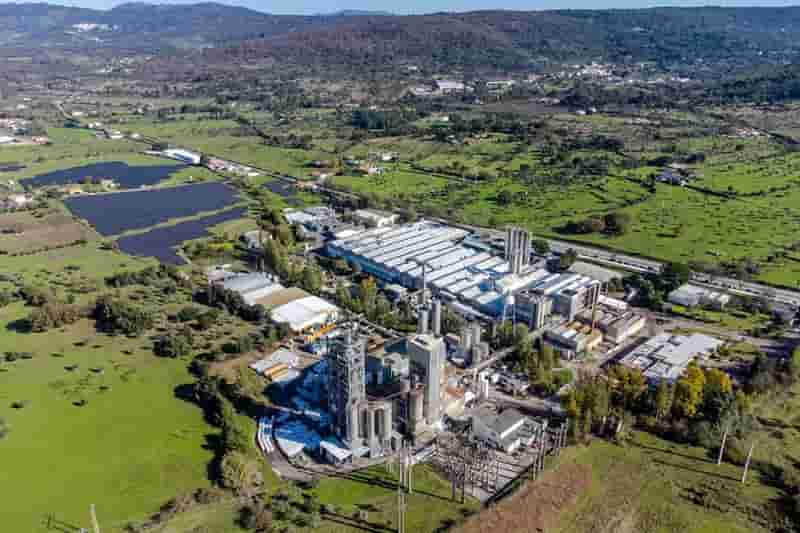
Selenis is preparing a major industrial expansion that will reinforce its position in the European specialty polyester market. The Portuguese producer, part of IMG Group, plans to double capacity at its Portalegre site by the end of 2027, increasing annual output from 62,500 tonnes to approximately 125,000 tonnes.
The Portalegre facility is not only a production site but also the company’s headquarters. This investment represents a strategic shift toward higher volumes of bio-attributed and recycled polyesters, supporting demand from regulated sectors such as food packaging, healthcare, and textiles.
At the heart of the project is the installation of a next-generation continuous polymerisation platform, designed to complement the existing batch production process and enhance operational efficiency.
Expanding Bio-Attributed and Recycled Polyester Production
The expansion at Portalegre is focused on increasing production of bio-based polyesters, co-polyesters, and mechanically and chemically recycled grades. These materials are attributed through certified mass balance systems, allowing customers to integrate recycled and renewable content while maintaining strict performance specifications. Selenis Portalegre capacity expansion
As sustainability requirements tighten across Europe, converters and brand owners are seeking reliable suppliers of specialty polyester that meet both regulatory and performance standards. Selenis aims to position Portalegre as a central hub for advanced, circular polyester production.
The company already supplies polyester resins containing up to 50 percent recycled material. With the planned capacity doubling, it will significantly scale its ability to serve customers transitioning toward lower-carbon and circular material solutions. Selenis Portalegre capacity expansion
Regulatory Drivers: PPWR and Single-Use Plastics Directive
The investment aligns closely with European regulatory developments, particularly the Packaging and Packaging Waste Regulation (PPWR) and the Single-Use Plastics (SUP) Directive. These frameworks are reshaping material choices across the European Union by mandating higher recycled content, stricter recyclability requirements, and reduced environmental impact.
As implementation of PPWR accelerates, demand for compliant specialty polyester solutions is expected to increase sharply. Selenis’ decision to double capacity at Portalegre reflects a proactive strategy to anticipate regulatory-driven market growth rather than react to it. Selenis Portalegre capacity expansion
By scaling bio-attributed and recycled polyesters, the company aims to ensure that customers remain compliant while preserving product safety and mechanical performance, especially in sensitive applications such as food and healthcare packaging.
Continuous Polymerisation Platform: A Technological Upgrade
A central pillar of the Portalegre expansion is the introduction of a next-generation Continuous Polymerisation (CP) platform. This technology will operate alongside the existing batch process, creating a hybrid production environment. Selenis Portalegre capacity expansion
The combination of batch and continuous systems increases production flexibility and consistency. Continuous polymerisation allows for a steady production flow, tighter process control, and improved uniformity of polymer characteristics. These advantages are particularly important for specialty polyester applications requiring precise viscosity and mechanical properties.
In addition, the new CP unit integrates advanced vacuum systems, which contribute to improved reaction efficiency and lower specific energy consumption per tonne of product. This technological upgrade is designed not only to expand capacity but also to modernize the site’s production architecture.
Energy Optimization and Decarbonization Strategy
Energy performance is a key component of the Portalegre expansion. By implementing continuous polymerisation, Selenis expects to reduce the energy intensity associated with each tonne of specialty polyester produced. Selenis Portalegre capacity expansion
The new platform enables greater electrification of processes, reducing reliance on natural gas. This shift is supported by the company’s recently commissioned photovoltaic park at the Portalegre site. A significant share of the additional electricity demand generated by the capacity increase will be covered by on-site renewable energy. Selenis Portalegre capacity expansion
The integration of electrified production systems and solar generation supports measurable reductions in carbon emissions. Rather than treating sustainability as a secondary objective, Selenis is embedding decarbonization directly into its production infrastructure.
This approach aligns with long-term global climate objectives and European industrial decarbonization targets, positioning Portalegre as a lower-carbon manufacturing hub for specialty polyester.
Strategic Importance of Portalegre
Portalegre plays a central role within Selenis’ global footprint, which includes production sites in Portugal, Italy, and the United States. Across these locations, the company operates both batch and continuous solid-state polymerisation (SSP) units. Selenis Portalegre capacity expansion
These assets enable the production of a broad portfolio of amorphous and crystalline polyesters and co-polyesters. By doubling capacity at Portalegre, Selenis strengthens its European production base and reduces dependency on external suppliers for advanced grades.
The expansion also enhances supply security for European customers facing increasing material traceability and compliance requirements. As regulatory scrutiny intensifies, proximity to market and transparent production systems are becoming competitive advantages. Selenis Portalegre capacity expansion
Market Implications for Food, Healthcare, and Textiles
The food packaging sector remains a primary growth driver for specialty polyester in Europe. Rising demand for recyclable trays, films, and rigid containers with recycled content is reshaping supply chains. Healthcare applications, where regulatory compliance and purity standards are critical, also require high-performance polyesters with documented sustainability credentials.
In textiles, bio-attributed and recycled polyesters are gaining traction as brands pursue lower environmental footprints. By doubling capacity at Portalegre, Selenis positions itself to serve these converging demand trends with a diversified and scalable production platform. Selenis Portalegre capacity expansion
The investment signals confidence in sustained market growth for specialty polyester solutions that combine technical performance with circular economy attributes.
Strengthening IMG Group’s Integrated Model
Selenis and its affiliate Evertis, which specializes in PET extrusion, are part of Portugal-based IMG Group. The expansion at Portalegre reinforces the integrated model of polymer production and downstream processing within the group. Selenis Portalegre capacity expansion
By increasing upstream specialty polyester capacity, IMG Group enhances vertical integration and improves coordination between resin production and extrusion capabilities. This structure supports faster product development cycles and closer collaboration with customers.
The Portalegre project therefore represents more than a capacity increase; it reflects a coordinated industrial strategy across polymer production and PET sheet extrusion. Selenis Portalegre capacity expansion
Outlook: Industrial Scale Meets Circular Ambition
Selenis’ plan to double capacity at Portalegre by 2027 marks a decisive step in scaling sustainable specialty polyester production in Europe. The introduction of continuous polymerisation technology, combined with renewable energy integration and reduced natural gas dependency, underscores a shift toward industrial-scale circularity.
As regulatory pressure intensifies and demand for compliant materials accelerates, producers capable of combining performance, traceability, and lower carbon intensity will shape the next phase of the polyester market. Selenis Portalegre capacity expansion
For Selenis, the Portalegre expansion is not merely about higher volumes. It represents a structural transformation of its production platform, aligning growth, regulatory readiness, and decarbonization into a unified strategy.
More…