Asia PP Market in Crisis as Middle East Conflict Triggers Severe Supply Disruptions, Soaring Prices, and Unprecedented Volatility Across Global Petrochemical Trade 04-03-2026
Asia PP Market Faces Severe Supply Disruptions as Middle East Conflict Escalates
The Asia PP market is undergoing one of its most turbulent periods in recent years. Escalating geopolitical tensions in the Middle East have triggered immediate supply chain disruptions, driving volatility in feedstock pricing, logistics, and regional trade flows. As conflict intensifies, the Asia PP market faces severe supply disruptions that are reshaping price expectations and procurement strategies across the region.
Escalation in the Middle East Sparks Immediate Market Reaction
On 28 February, military action involving the United States, Israel, and Iran significantly escalated tensions in the Middle East. Within hours, producers and traders across Asia began suspending polypropylene (PP) offers. The abrupt withdrawal of cargoes was driven by surging feedstock costs and anticipated logistical bottlenecks.
The Asia PP market faces severe supply disruptions primarily because of its structural dependence on Middle Eastern raw materials. Naphtha and liquefied petroleum gas (LPG), key feedstocks for polypropylene production, are heavily sourced from the Gulf region. Any instability in the Strait of Hormuz or surrounding export corridors immediately reverberates through Asian petrochemical markets.
Shipping Routes Disrupted, War Risk Premiums Surge
Logistics have become a critical pressure point. Several shipping operators have either suspended routes through the Strait of Hormuz or imposed significant war risk premiums. Freight surcharges of $120 per tonne or higher are now being applied to cargoes entering or exiting the Middle East.
Vessels originally bound for Gulf ports have been rerouted toward India, Africa, and alternative destinations outside the immediate conflict zone. Inland transportation within the Middle East has also been disrupted, with trucking shortages emerging due to surging demand for cargo redirection.
Suppliers have begun formally notifying Asian buyers of delivery delays. As a result, spot availability for March cargoes is tightening sharply. The Asia PP market faces severe supply disruptions not only from reduced physical flows but also from uncertainty in transit schedules and contract fulfillment.
Futures and Spot Prices Rally Across China
Financial markets have reacted swiftly. On 2 March, the main polypropylene futures contract on the Dalian Commodity Exchange closed at CNY 6,998 per tonne, reflecting a 6% increase compared to 27 February.
Domestic Chinese producers raised offers by up to CNY 400 per tonne in parallel with futures gains. Spot prices for PP flat yarn in eastern China climbed to CNY 6,775 per tonne, up 3% within days. Market participants broadly anticipate continued upward momentum if geopolitical tensions persist.
Export markets have mirrored this trend. Chinese flat yarn cargoes that were priced at $850–890 per tonne CFR Southeast Asia last week have surged to $965–1,000 per tonne this week. This rapid escalation underscores how quickly the Asia PP market faces severe supply disruptions when feedstock insecurity and freight risk converge.
Southeast Asia Under Pressure as Feedstock Risks Spread
Beyond trade flows, production economics are under mounting strain. More than 70% of China’s polypropylene capacity is based on naphtha, propylene dehydrogenation (PDH), or methanol-to-olefins (MTO) technologies. These processes are highly sensitive to feedstock availability and pricing.
In Southeast Asia, most polypropylene producers rely on imported Middle Eastern naphtha or LPG. A disruption in supply therefore directly impacts operating rates and cost structures.
A Southeast Asian producer has already declared force majeure on polyethylene (PE) and polypropylene output. Market participants expect additional declarations if hostilities continue or intensify. This reinforces the reality that the Asia PP market faces severe supply disruptions not only from logistics but also from potential production curtailments.
Inventory Buffers Provide Limited Relief
Integrated producers in Asia typically maintain two to three weeks of naphtha inventory. While this buffer offers short-term continuity, it is insufficient for prolonged geopolitical instability.
Producers are currently assessing feedstock replacement options, alternative supply routes, and hedging strategies. However, substituting Middle Eastern feedstocks at scale is complex and costly. Even where alternative supply exists, freight rates and insurance premiums significantly raise landed costs.
This structural vulnerability explains why the Asia PP market faces severe supply disruptions so rapidly during periods of geopolitical tension.
Converters Struggle to Secure Supply
Downstream converters are increasingly concerned about both availability and cost pass-through. Some buyers are attempting to secure cargoes preemptively to avoid further price escalation. However, rapid increases are outpacing procurement cycles.
Manufacturers of finished goods face uncertainty over whether higher polypropylene costs can be fully passed through to customers. Margin compression is a growing risk, particularly in export-oriented sectors where global demand remains uneven.
Traders describe the current environment as chaotic, with many reassessing shipment status for earlier contracts while exploring alternative sourcing strategies. Comparisons to previous energy crises are becoming more frequent within industry discussions.
Broader Implications for the Petrochemical Chain
The Asia PP market faces severe supply disruptions at a time when global petrochemical markets are already navigating weak demand recovery and macroeconomic headwinds. A sustained Middle East conflict could tighten supply further, exacerbate volatility in feedstock markets, and disrupt polymer trade balances.
Key risk factors include:
-
Extended closure or restricted access to the Strait of Hormuz
-
Escalating freight insurance and war risk premiums
-
Additional force majeure declarations in Southeast Asia
-
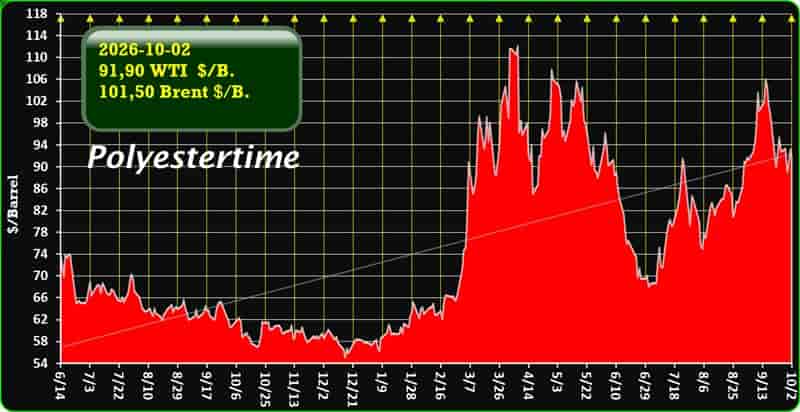
Sharp increases in crude oil and LPG prices
If these pressures intensify, the Asia PP market faces severe supply disruptions that could extend well beyond March, potentially altering trade flows for the remainder of the year.
Strategic Outlook
In the near term, price volatility is likely to remain elevated. Procurement teams should monitor:
-
Feedstock price movements in naphtha and LPG
-
Shipping route stability and freight premiums
-
Inventory levels among integrated producers
-
Force majeure announcements across Asia
The Asia PP market faces severe supply disruptions that highlight the region’s exposure to geopolitical risk. Diversification of feedstock sourcing, increased storage buffers, and enhanced risk management strategies may become central themes for producers and converters in the months ahead.
More…
Visit the US-Iran conflict: impact on energy, chemical markets topic page