Iran War Sent Resin Prices Higher, but Gains May Not Last
Iran resin prices
Iran War Sent Resin Prices Higher, but Gains May Not Last
Iran resin prices and wider polymer markets climbed after the war restricted energy shipments, interrupted petrochemical production and made international freight more expensive. The resulting shock reached well beyond crude oil, affecting the feedstocks used to manufacture polyethylene, polypropylene and other widely used plastics.
For resin producers, the disruption temporarily improved pricing power after a prolonged period of weak margins. Buyers, however, should be careful about treating every proposed increase as permanent. The market remains divided between serious short-term supply risks and longer-term fundamentals that include subdued demand and substantial production capacity.
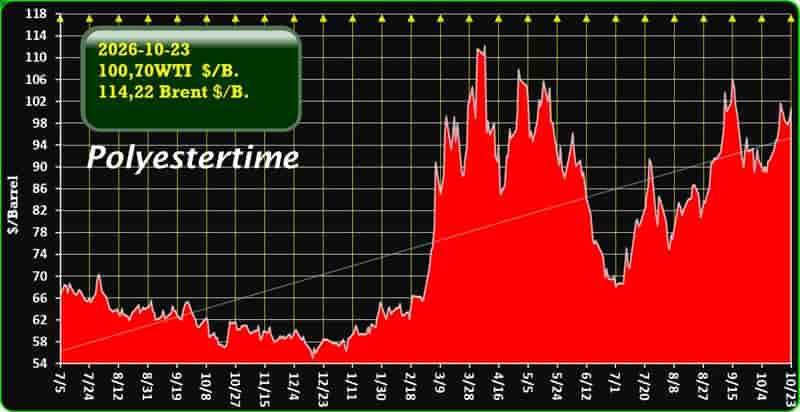
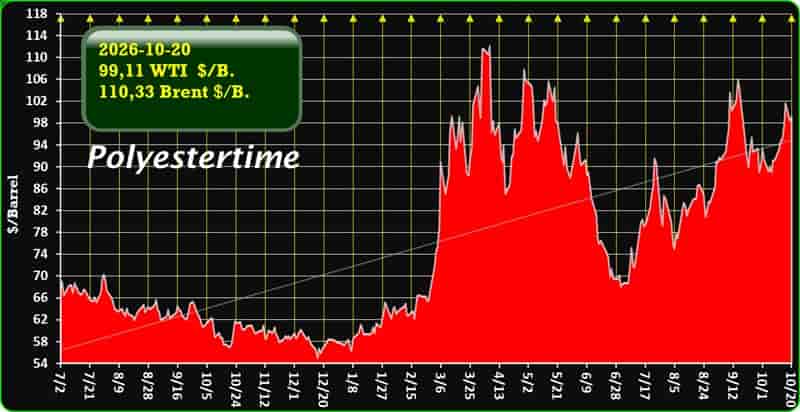
The most likely outcome is continued volatility rather than a steady rise. Resin prices may remain elevated while shipping and production are constrained, but some of those gains could disappear if trade through the Strait of Hormuz recovers or buyers continue to resist higher offers.
Why the Iran war pushed resin prices higher
The Strait of Hormuz is central to the story. Oil, liquefied gases and petrochemical materials produced in the Persian Gulf normally move through this narrow waterway. When traffic is restricted, the effects spread through energy, chemicals, shipping and manufacturing markets.
The US Energy Information Administration estimated that crude oil and petroleum liquids moving through the strait averaged only 4.9 million barrels per day during the second quarter of 2026. That compared with 21.6 million barrels per day in the fourth quarter of 2025, before the conflict began.
The agency also estimated that shut-in oil production averaged 5.5 million barrels per day in July. Its August outlook assumed that Hormuz traffic would remain severely constrained during August before beginning a gradual recovery in September.
These disruptions matter to plastics because oil and gas are both energy sources and chemical raw materials. Naphtha is processed into building-block chemicals such as ethylene and propylene. Those chemicals are then used to make polyethylene and polypropylene, which appear in packaging, films, containers, household products and automotive components.
Higher oil and naphtha costs can therefore raise resin production costs. Restricted shipping also reduces the availability of feedstocks and finished polymers, particularly in markets that depend heavily on supplies from the Middle East.
A broad shock across polymer markets
Polyethylene received much of the early attention because of its scale and its widespread use in bags, bottles and flexible packaging. But the pressure has not been limited to one polymer.
Polypropylene, PET, polystyrene, PVC and engineering plastics can all be affected through a combination of higher feedstock costs, reduced plant operating rates and more expensive transport. The exposure differs by material and region, so it would be misleading to describe the global market as moving at one uniform rate.
US polyethylene producers, for example, rely heavily on ethane derived from natural gas. This can give them a cost advantage over producers that use oil-based naphtha. Even so, American prices are not isolated from the global market. Export demand, freight constraints and outages elsewhere can tighten the domestic balance.
Europe and parts of Asia are generally more exposed to naphtha costs and Middle Eastern supply disruptions. Import-dependent buyers can also face a larger increase once freight, insurance and alternative shipping routes are included.
UN Trade and Development has warned that oil shocks ripple through plastics because petroleum remains deeply embedded in their production and trade. The organization also noted that greener substitutes can face higher trade barriers, limiting buyers’ ability to switch materials quickly.
Why the price gains may not last
The strongest argument against lasting resin inflation is that the war did not eliminate the industry’s underlying capacity problem.
Before the conflict, many commodity-polymer markets were dealing with excess production capacity and disappointing demand. New plants built in the United States, China and other regions increased the amount of material competing for buyers. That structural supply has not disappeared, even if part of it is temporarily unavailable or uneconomic to ship.
Recent market analysis indicates that polyethylene trading is beginning to shift from an almost exclusively geopolitical reaction back toward supply-and-demand fundamentals. That change is important. When buyers have sufficient inventories and consumption is soft, producers can struggle to turn announced increases into completed transactions.
The difference between a proposed increase and a realized increase is often substantial. Suppliers may raise their posted offers to cover replacement costs or protect margins, but processors can delay orders, consume existing stock or negotiate discounts. A higher offer therefore does not automatically become a durable market price.
Demand also remains a constraint. Packaging is comparatively resilient because food, medical and household products require continuing supplies. Demand for construction goods, durable products and some discretionary consumer items can be more sensitive to higher interest rates and weaker economic growth.
Falling oil costs could reverse part of the increase
Energy prices remain one of the most important variables. The EIA’s August 2026 Short-Term Energy Outlook forecast Brent crude at approximately $85 a barrel during the third quarter. It expected the average to decline to about $78 in the fourth quarter as Hormuz traffic gradually increased and shut-in production restarted.
That forecast is not a guarantee. A new military escalation, damage to energy infrastructure or further attacks on shipping could keep oil and petrochemical costs high. Conversely, a more rapid normalization of traffic could lower feedstock and freight costs sooner than expected.
If oil prices decline while resin plants restart, producers may once again have to compete for limited demand. In that scenario, at least part of the war-related resin increase would probably be unwound.
Recycling markets face mixed effects
The conflict has also affected recycled plastics, although the relationship is more complicated.
Higher virgin-resin prices can make recycled material more competitive. A converter that previously rejected recycled polyethylene or polypropylene because of its premium may reconsider when virgin resin becomes more expensive.
However, recycled polymers do not operate outside the wider economy. Collection, sorting and reprocessing require energy and transport. Recyclers can therefore experience higher operating costs at the same time that uncertainty weakens demand.
ICIS reported in August that the Iran war had affected Europe’s circular economy as well as its virgin-polymer market. This reinforces an important point: recycled resin may reduce direct exposure to fossil feedstocks, but it is not immune to energy prices, freight disruption or weak purchasing activity. Iran resin prices
What resin buyers should watch now
Businesses should monitor actual transactions rather than relying only on producers’ announced increases. Regional spot prices, plant operating rates, inventory levels and order volumes will reveal whether the market is genuinely tightening.
The most important indicators include:
- The volume of energy and chemical shipments moving through the Strait of Hormuz
- The pace at which shut-in oil and petrochemical production restarts
- Brent crude, naphtha, ethylene and propylene prices
- Resin plant outages and force-majeure declarations
- New polyethylene and polypropylene capacity entering the market
- Packaging, construction and consumer-goods demand
- The difference between supplier nominations and realized contract increases
Buyers may also want to divide purchases across more than one supplier or region. Where product specifications allow, qualifying recycled material or alternative resin grades can reduce dependence on a single feedstock route. Any substitution must still meet performance, food-contact and regulatory requirements.
The outlook: volatility is more likely than a lasting surge
Iran resin prices rose for defensible reasons. The conflict removed energy supplies, restricted a vital shipping route and raised the replacement cost of petrochemical materials. These are physical disruptions, not simply speculative headlines.
Nevertheless, high prices can weaken their own foundations. They encourage buyers to reduce inventories, delay nonessential orders and seek substitutes. They can also make previously uncompetitive production economical. When transport and plant operations recover, those responses may bring more resin into a market that was already struggling with excess capacity.
A further escalation could produce another sharp increase. But if Hormuz traffic improves broadly in line with the EIA’s assumptions, crude and feedstock costs could retreat while supply becomes easier to obtain. Weak downstream demand would then make current resin gains difficult to defend.
For processors and packaging buyers, the practical conclusion is to prepare for rapid changes in both directions. The Iran war has made resin more expensive, but the industry’s structural oversupply means that today’s gains should not automatically be treated as a permanent new price level.
Frequently asked questions
Why did the Iran war raise plastic resin prices?
The conflict restricted oil, feedstock and petrochemical shipments through the Strait of Hormuz. It also increased freight, insurance and production costs, placing upward pressure on polyethylene, polypropylene and other polymers.
Which resins are most exposed?
Polyethylene and polypropylene are directly affected through ethylene and propylene markets. PET, PVC, polystyrene and engineering resins may also face higher costs, although the effect varies by feedstock and region.
Why might resin prices fall again?
Prices could retreat if Hormuz traffic recovers, oil and naphtha become cheaper, plants restart and excess global production capacity returns to the market. Weak downstream demand could accelerate that correction.
Are recycled resins protected from the oil shock?
They are less directly tied to virgin fossil feedstocks, but recycling still requires energy, transport, collection and processing. Recycled-resin prices can therefore be affected indirectly.
Sources
- US Energy Information Administration — August 2026 Short-Term Energy Outlook
- UN Trade and Development — Oil shocks ripple through plastics
- ICIS — How the Iran war affected Europe’s circular economy
- CCFGroup — PE market shifts toward supply-demand fundamentals
- PlasticsToday — Iran war creates a dire strait for resin markets
Pakistan rPET Recycling: Ismail Resin Expands Bottle-to-Bottle Circular Packaging