US–Iran War Pushes Oil Prices Higher: What Brent at $91 and WTI at $86 Mean
US Iran oil prices
US–Iran War Pushes Oil Prices Higher: What Brent at $91 and WTI at $86 Mean
Key takeaways
-
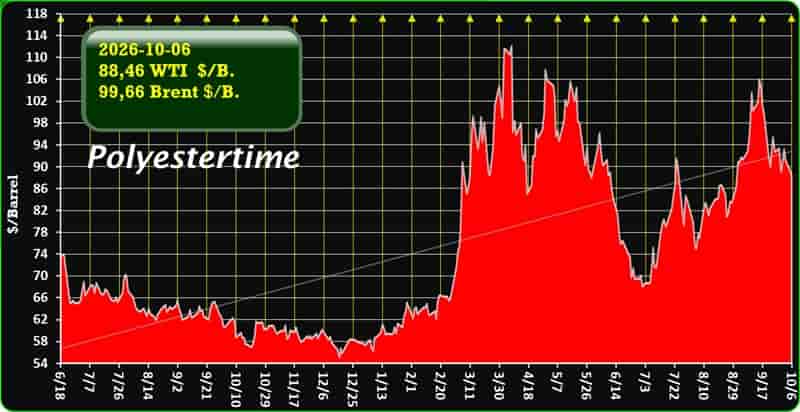
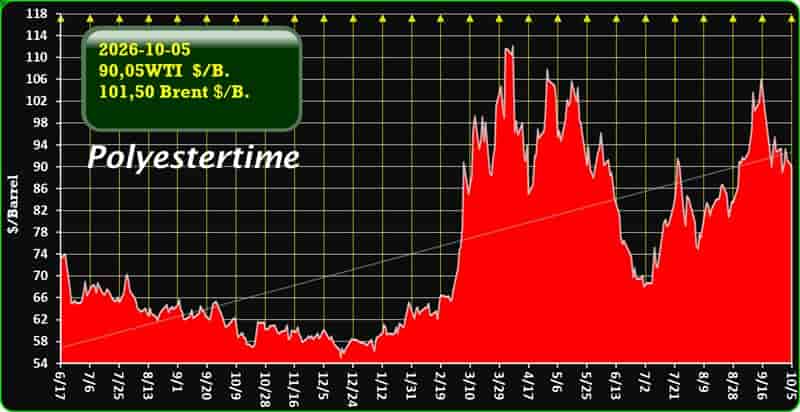
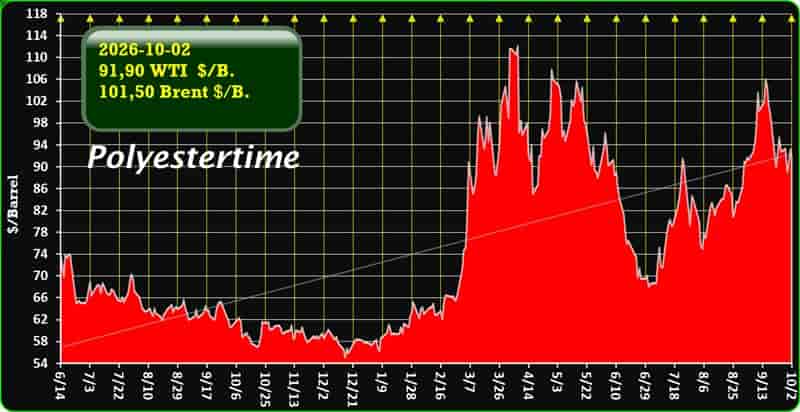
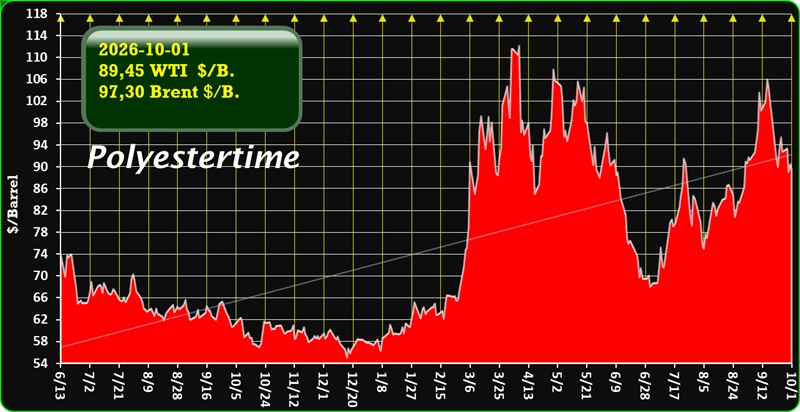
Brent crude is around $91 a barrel and West Texas Intermediate, or WTI, is around $86 a barrel as renewed U.S.–Iran fighting brings supply risk back into focus.
-
The main price driver is the threat of a longer disruption to oil and fuel shipments through and around the Strait of Hormuz.
-
Alternative export routes, increased supply from producers outside the Gulf, lower demand in some markets and emergency stock releases are limiting the shock.
-
Prices could rise further if physical exports or energy infrastructure suffer new damage. A durable de-escalation and freer shipping would probably reduce the geopolitical premium.
Oil prices moved higher on September 1, 2026, after renewed hostilities between the United States and Iran revived concern about Middle East supply. Brent, the international benchmark, traded near $91.23 a barrel, while U.S. benchmark WTI was near $86.62, according to Associated Press market reporting.
Those levels show that traders are paying a substantial risk premium for an uncertain conflict, but they do not signal a complete loss of global supply. The market is balancing two forces: the possibility of prolonged disruption near the Strait of Hormuz and the ability of producers, governments and consumers to adapt.
What happened today?
The latest increase followed U.S. airstrikes on Iranian targets and retaliatory Iranian missile launches. The renewed fighting came after a lull and again raised concern about shipping activity, insurance costs and the reliability of energy flows through the region.
Brent rose about 0.8% to $91.23 a barrel, while WTI gained roughly 1% to $86.62 in the AP market snapshot. Prices can change quickly during the trading day, so these figures should be read as a dated market snapshot rather than a fixed closing price.
Why the Strait of Hormuz matters
The Strait of Hormuz is the narrow sea route linking the Persian Gulf with the Gulf of Oman and the Arabian Sea. It is one of the world’s most important energy chokepoints because major Gulf exporters depend on it to reach international customers.
When passage becomes slower, more dangerous or less predictable, the impact reaches beyond the barrels that fail to move. Tanker availability, war-risk insurance, freight rates and delivery schedules can all become more expensive. Refined fuels such as diesel and gasoline may tighten even when crude remains available.
The International Energy Agency said on July 21 that escalation affecting the Strait of Hormuz and regional energy infrastructure had increased supply-security concerns. It also warned that threats to the Bab el-Mandeb route could weaken an important alternative path. US Iran oil prices
Why oil is not even higher
The disruption is serious, but the oil system has developed several buffers.
The IEA reported that Saudi Arabia and the United Arab Emirates were still moving significant volumes through alternative routes, even though Gulf exports were below their late-June highs. Producers including the United States, Brazil, Venezuela and Kazakhstan had also increased exports and offset part of the Gulf shortfall.
Demand has adjusted as well. According to the IEA’s July statement, China had reduced crude imports by nearly 50% compared with pre-war levels. IEA member countries had released about 290 million barrels from the 400 million barrels made available in March, while retaining more than 1 billion barrels of government-controlled emergency stocks.
These measures help explain why the market can remain supplied while still pricing in substantial danger. They are cushions, not permanent replacements for secure and predictable Gulf exports. US Iran oil prices
What could send Brent and WTI higher?
Oil prices would face renewed upward pressure if any of the following occurs:
-
a deeper or longer interruption to tanker traffic through the Strait of Hormuz;
-
damage to oil fields, export terminals, pipelines, refineries or power systems;
-
disruption spreading to the Bab el-Mandeb or other regional shipping routes;
-
faster depletion of commercial inventories and emergency reserves;
-
stronger global demand without a matching supply response.
Refined products deserve particular attention. The IEA has said gasoline and diesel markets were tighter than the crude market because refinery activity and product supply had not recovered as strongly as crude deliveries. US Iran oil prices
What could bring prices down?
A credible ceasefire, a durable reduction in attacks and the full reopening of reliable shipping routes would remove part of the geopolitical premium. Prices could also ease if alternative exports continue to grow, demand weakens or additional emergency stocks reach the market.
Even then, prices may not fall immediately. Shipowners and insurers usually need evidence that routes are safe, while inventories, refinery operations and delivery schedules take time to normalize.
What higher oil prices mean for consumers and the economy
Sustained crude prices above recent pre-war norms can feed into gasoline, diesel, aviation fuel, freight and manufacturing costs. The effect varies by country because taxes, exchange rates, refining capacity and government subsidies shape retail prices. US Iran oil prices
Higher energy costs can also slow progress on inflation. That creates a difficult trade-off for central banks: tighter policy may restrain price growth, but it can also weaken an economy already facing an energy shock. The effect will depend less on a single day’s oil move than on how high prices go and how long they remain elevated.
Outlook: three factors to watch
1. Physical flows, not only military headlines
The most useful signals are tanker movements, export volumes, port operations and refinery output. Dramatic headlines can move futures immediately, but lasting price changes usually require a change in actual or expected supply. US Iran oil prices
2. The condition of alternative routes
Pipelines and ports that bypass the Strait of Hormuz reduce the amount of oil directly exposed to the chokepoint. Their available capacity and security will help determine how much supply can reach the market.
3. Inventories and emergency releases
Strategic reserves can soften a temporary shock. The longer disruption persists, however, the more markets will focus on remaining stocks, the pace of releases and governments’ willingness to authorize further action.
Frequently asked questions
Why are oil prices rising during the US–Iran war?
Traders are pricing in the risk that fighting will restrict oil production, refining or shipping in a region central to global energy supply. Higher freight and insurance costs can add pressure even when some cargoes continue to move.
What is the difference between Brent and WTI?
Brent is the main international crude benchmark and is especially sensitive to seaborne supply. WTI is the principal U.S. benchmark. Differences in geography, transport, storage and crude quality help explain the price spread between them.
Could Brent rise above $100 again?
It is possible, but not certain. A severe, sustained loss of exports or damage to infrastructure would increase that risk. De-escalation, alternative supply, weaker demand and emergency releases would work in the opposite direction.
Will gasoline prices rise immediately?
Not always. Retail prices reflect crude costs with a delay and also depend on refining margins, inventories, taxes, exchange rates and local competition. A prolonged rise in crude and wholesale fuel is more likely to reach consumers than a brief spike.
Bottom line
US Iran oil prices are being shaped by a contest between geopolitical risk and market adaptation. Brent near $91 and WTI near $86 show that supply fears are significant, but alternative routes, non-Gulf production, weaker demand and emergency stocks are preventing a more extreme move for now.
The decisive question is how long the disruption lasts. A durable improvement in regional security and dependable passage through the Strait of Hormuz would ease pressure. A broader conflict or a further loss of physical supply could quickly push crude and fuel prices higher.
Sources
-
Associated Press, “Oil prices rise and stocks waver as Middle East violence flares, adding to uncertainty,” September 1, 2026: https://apnews.com/article/775d7cf741349c7c8e689c0beb57f074
-
International Energy Agency, “IEA Executive Director statement on oil markets,” July 21, 2026: https://www.iea.org/news/iea-executive-director-statement-on-oil-markets
-
U.S. Energy Information Administration, “World Oil Transit Chokepoints,” accessed September 1, 2026: https://www.eia.gov/international/analysis/special-topics/World_Oil_Transit_Chokepoints
US-Iran War Pushes Oil Prices Higher as Hormuz Risks Return