US-Iran Oil Prices: Brent Holds at $89/B Amid Middle East Supply Risks
US Iran oil prices
US-Iran Escalation Drives Oil Volatility: Brent Holds at $89/B as Supply Risks Mount
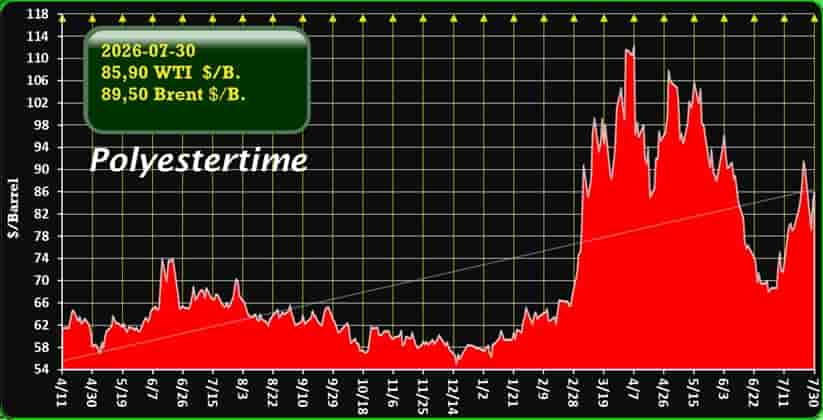
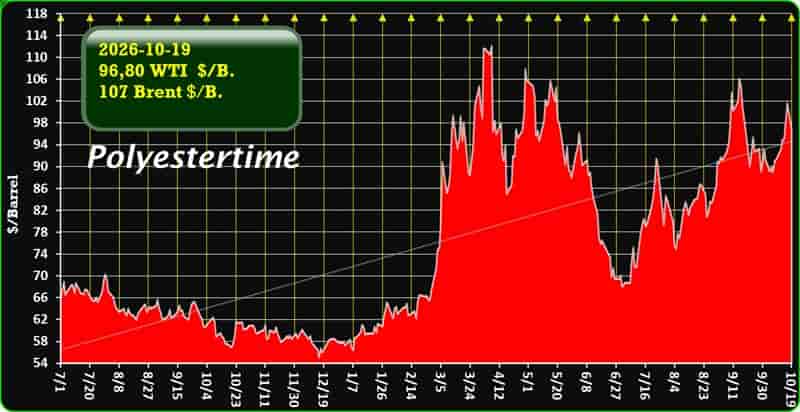
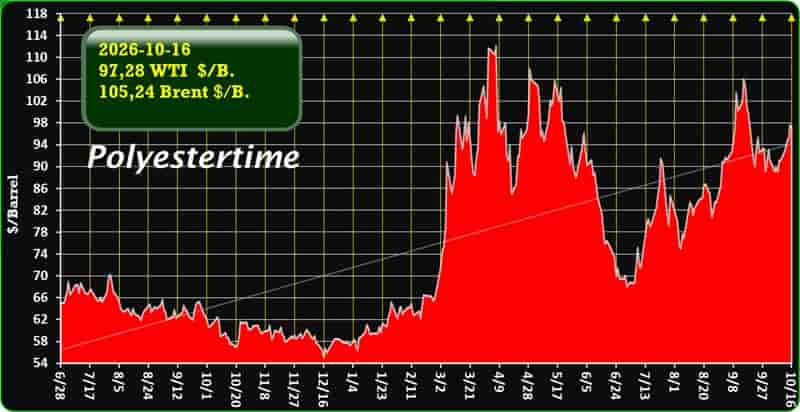
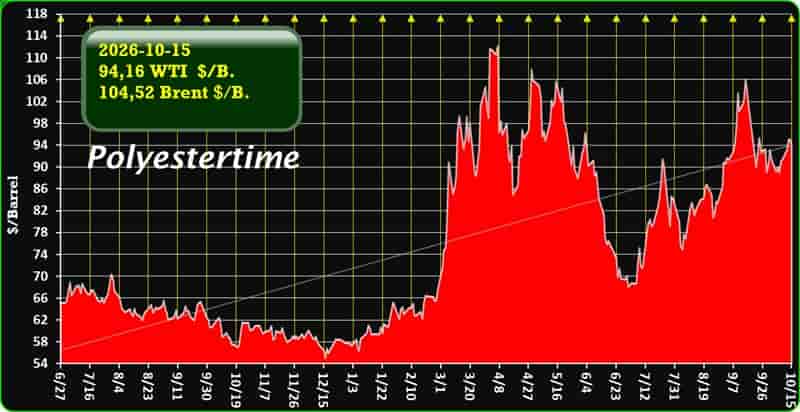
Global energy markets are experiencing a sharp uptick in volatility as geopolitical tensions between the United States and Iran intensify. Benchmark crude prices have rebounded significantly after a short-lived mid-month retreat, driven by military exchanges in the Middle East and renewed security concerns across critical shipping lanes.
Brent crude is currently trading around $89 per barrel, while West Texas Intermediate (WTI) is holding steady near $86 per barrel. The market is actively pricing in a persistent “war premium” as traders weigh potential supply bottlenecks against fragile diplomatic signals.
Market Overview: Crude Benchmarks under Pressure
The global crude market has swung wildly over recent sessions. Following brief dips earlier in the week when market participants speculated on potential diplomatic de-escalation, fresh military developments rapidly reversed those losses.
| Benchmark | Current Price Level | Primary Market Driver |
| Brent Crude | ~$89.00 / barrel | Middle East risk premium & Strait of Hormuz bottlenecks |
| WTI Crude | ~$86.00 / barrel | Tightening US commercial inventories & Cushing drawdowns |
The spread between Brent and WTI reflects both international geopolitical anxiety and domestic supply fundamentals within North America. Option market metrics—specifically Brent call skews—show that institutional traders are aggressively buying upside protection against sudden price spikes.
Geopolitical Catalysts: Escalation along Key Fronts
The primary driver behind the crude surge is the expansion of hostilities involving US military assets and Iranian forces. Recent ballistic missile strikes targeting US installations in Jordan, alongside coordinated counter-strikes against Iran-aligned factions in Iraq, have effectively shattered expectations of a swift diplomatic compromise.
  US Forces / Allied Operations ◄── Military Exchange ──► IRGC & Regional Allies
                │                                                      │
                ▼                                                      ▼
  Naval Escorts & Strategic Blockade                 Maritime Chokepoint Interdictions
                │                                                      │
                └─────────────────► IMPACT ◄───────────────────────────┘
                                       │
                      Global Crude Supply Vulnerability
Energy analysts emphasize that market behavior is no longer purely speculative. The physical security of crude production and export routes has become a tangible risk factor across global supply chains. US Iran oil prices
Strait of Hormuz and Commercial Inventory Constraints
Beyond direct military strikes, two key structural developments are reinforcing elevated oil prices:
-
Strait of Hormuz Bottlenecks: The Strait of Hormuz remains the single most critical chokepoint in global energy transit, handling approximately 20% of the world’s petroleum consumption. Security warnings from international maritime regulators have led several major tanker operators to pause transits, creating noticeable delivery delays.
-
Dwindling US Commercial Stockpiles: Data from the US Energy Information Administration (EIA) indicates that US crude inventories unexpectedly fell to multi-year lows. Storage levels at Cushing, Oklahoma—the delivery hub for WTI futures—have drawn down significantly, reducing the buffer available to absorb global supply shocks.
Outlook: Strategic Scenarios for Oil Traders
Market trajectory over the coming weeks will largely depend on three factors:
-
Diplomatic vs. Military Escalation: Any formal movement toward maritime protection agreements or ceasefires could quickly unwind the current war premium. Conversely, direct strikes on energy infrastructure could push Brent beyond $95 per barrel.
-
OPEC+ Production Policy: The OPEC+ coalition continues to monitor market conditions closely. While minor quota adjustments were previously agreed upon, member nations may alter output plans if regional supply disruptions widen.
-
Global Demand Resilience: Elevated energy prices continue to pose inflationary challenges for major economies, potentially slowing demand growth in late 2026.
As long as shipping lanes remain threatened and inventory levels remain low, US Iran oil prices will remain highly sensitive to real-time geopolitical headlines.
US–Iran War Pushes Oil Prices Higher as Supply Risks Return
More…