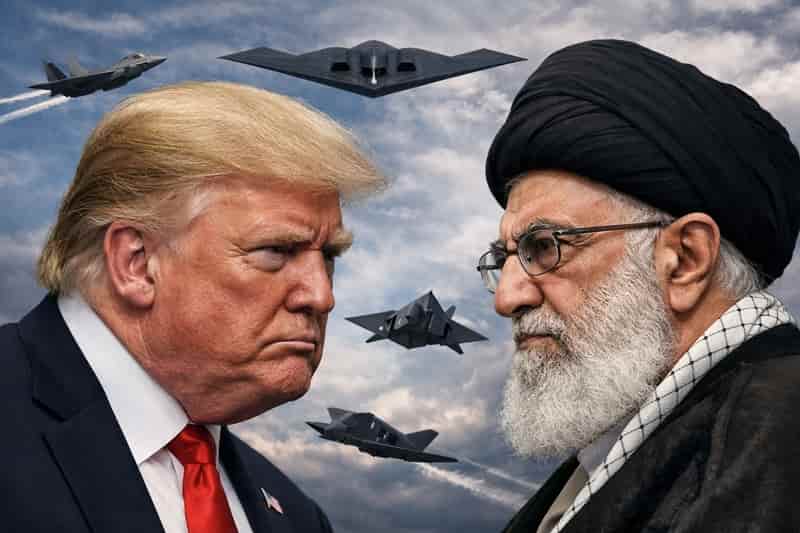
US-Iran Talks Collapse as Trump Signals Support for Iranian Protesters, Diplomatic Deadlock Deepens Nuclear Crisis and Raises Fears of Military Escalation 04-02-2026
US-Iran Talks Cancelled as Diplomatic Positions Harden
The fragile diplomatic channel between Washington and Tehran has suffered a significant setback. US-Iran talks scheduled to take place this week have been officially cancelled, underscoring how far apart the two sides remain on critical strategic issues. According to Israeli media and confirmed by US officials, negotiations collapsed due to irreconcilable differences over both the scope and structure of the dialogue.
At the heart of the dispute is Iran’s insistence that negotiations focus exclusively on its nuclear program. The United States, however, has made it clear that it will not narrow the agenda to a single issue, insisting instead on a broader framework that includes regional security and missile development. US-Iran talks
This breakdown comes at a particularly volatile moment, with former President Donald Trump signaling renewed political support for Iranian protesters, a move that Tehran views as direct interference in its internal affairs.
Why the US-Iran Talks Failed
The talks were originally planned as a multilateral meeting involving regional observers. Iran later requested significant changes, asking that discussions be moved to Oman and transformed into a strictly bilateral format. Tehran argued that this approach would ensure a focused discussion on nuclear issues alone. US-Iran talks
US officials reviewed the proposal but ultimately rejected it. Washington’s position remains firm: any meaningful diplomatic engagement must address not only nuclear enrichment but also Iran’s ballistic missile program and its influence across the Middle East.
Israeli media described the situation as one in which the positions are simply too different. From Washington’s perspective, limiting negotiations to nuclear matters would weaken leverage and ignore broader security concerns shared by US allies in the region.
Trump’s Message to Iranian Protesters Adds Pressure
Complicating the diplomatic impasse is Trump’s renewed rhetoric aimed at Iranian protesters. While details of the promised support remain vague, the messaging is politically significant. For Tehran, such statements reinforce long-standing accusations that the United States seeks regime destabilization rather than genuine diplomacy. US-Iran talks
This posture further erodes trust at a moment when diplomatic flexibility is already scarce. Iranian officials argue that negotiating under perceived external pressure undermines the legitimacy of talks and strengthens hardline factions within the country.
For Washington, however, public support for civil dissent aligns with broader narratives about human rights and democratic values, even as it risks closing remaining diplomatic doors.
Regional Stakes and Rising Tensions
The cancellation of US-Iran talks has implications far beyond bilateral relations. Regional actors were expected to observe the negotiations, reflecting widespread concern over Iran’s nuclear trajectory and missile capabilities. US-Iran talks
Israel, in particular, has repeatedly warned that Iran’s nuclear ambitions represent an existential threat. Reports from Israeli outlets emphasize that diplomatic failure increases the likelihood of alternative strategies, including military options.
Axios reports that US officials fear the current stalemate could push decision-makers toward more confrontational paths. While no immediate action has been announced, the absence of dialogue significantly reduces mechanisms for de-escalation.
Why the Nuclear Issue Cannot Stand Alone
Iran’s request to isolate the nuclear file reflects a strategic calculation. Tehran believes it can secure concessions by narrowing the focus and avoiding discussions on missiles and regional proxies. US-Iran talks
The United States rejects this logic. From Washington’s standpoint, the nuclear program cannot be separated from delivery systems or regional behavior. Missiles and proxy forces are viewed as integral components of Iran’s overall security posture.
This fundamental disagreement explains why US-Iran talks have repeatedly stalled despite intermittent diplomatic efforts. Without consensus on negotiation scope, progress remains elusive.
The Risk of Diplomatic Collapse
The current impasse highlights a broader pattern in US-Iran relations: cycles of engagement followed by abrupt breakdowns. Each collapse increases mistrust and narrows political space for compromise.
Analysts warn that prolonged diplomatic paralysis could empower hardliners on both sides. In Tehran, skepticism toward engagement with Washington gains traction. In the United States, calls for tougher measures grow louder.
The cancellation of talks does not automatically signal imminent conflict, but it does remove critical safeguards that help prevent miscalculation.
What Comes Next for US-Iran Relations
With talks cancelled and positions entrenched, the immediate future of US-Iran diplomacy appears bleak. Informal channels may remain open, but the prospects for structured negotiations are diminishing.
Much will depend on whether either side recalibrates its strategy. For now, Washington shows little willingness to narrow the agenda, while Tehran insists that nuclear issues take precedence above all else.
In the absence of compromise, regional tensions are likely to intensify. The combination of stalled diplomacy, political signaling toward Iranian protesters, and unresolved nuclear concerns creates a volatile mix that could reshape Middle Eastern security dynamics.
More…