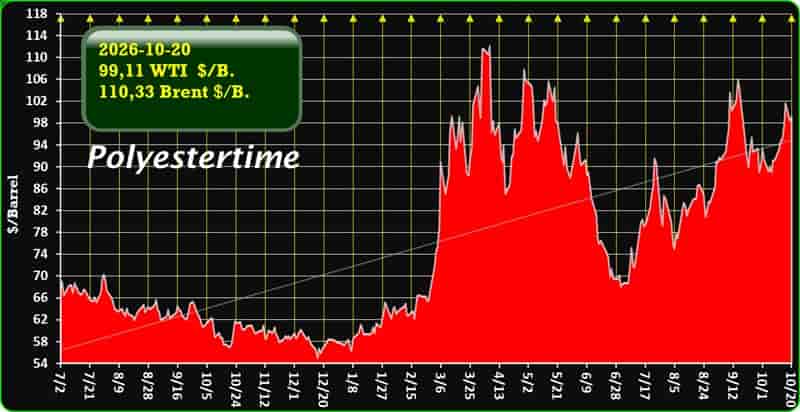
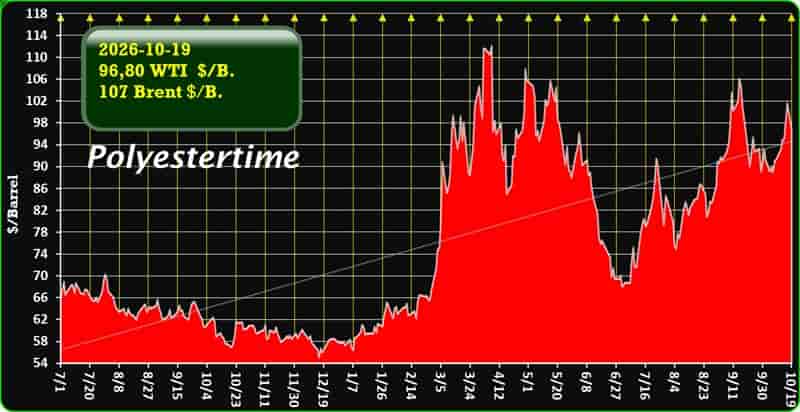
Oil Prices Surge as US-Iran War Escalates: Brent Near $110 and WTI Above $103
US-Iran war oil prices
Oil Prices Surge as US-Iran War Escalates: Brent Near $110 and WTI Above $103
<main>
The global energy market is once again facing severe volatility as the conflict involving the United States and Iran continues to escalate. Oil traders are reacting to growing fears of supply disruptions in the Middle East, especially around the strategically critical Strait of Hormuz.
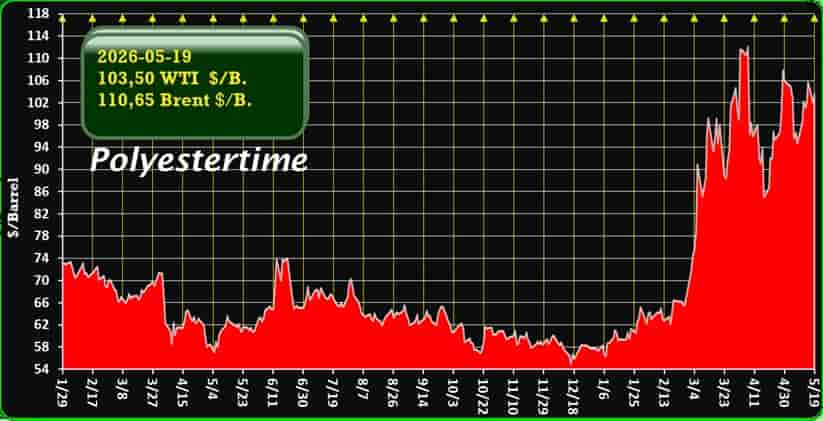
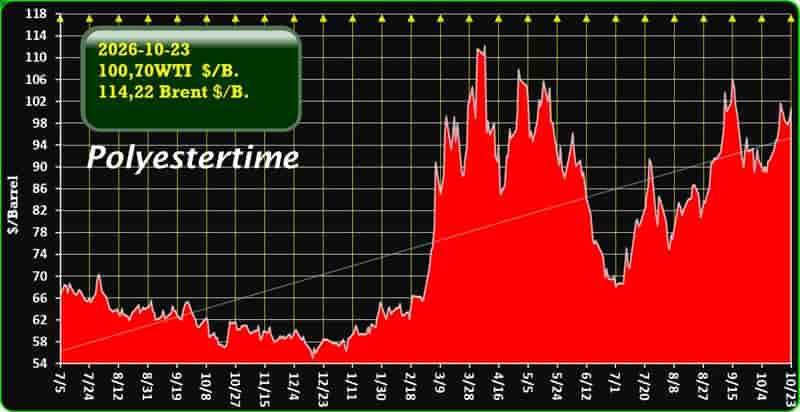
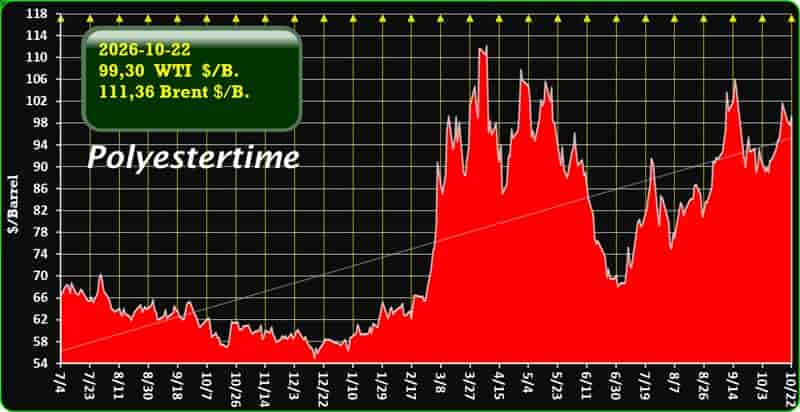
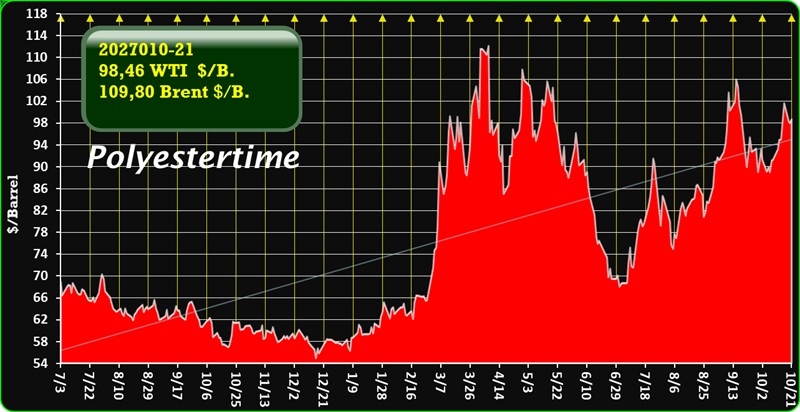
At the time of writing, Brent crude is trading close to $110 per barrel, while West Texas Intermediate (WTI) remains above $103 per barrel. The sharp rise reflects mounting geopolitical risks and concerns that the conflict could disrupt one of the world’s most important oil shipping routes.
Why Oil Prices Are Rising So Quickly
The latest surge in oil prices is largely tied to fears over supply interruptions rather than actual shortages. Markets are pricing in the possibility that shipping routes in the Gulf region could remain unstable for weeks or even months.
The Strait of Hormuz is particularly important because roughly one-fifth of the world’s oil shipments pass through it every day. Any military escalation in the area immediately impacts investor sentiment and energy markets worldwide.
Recent reports indicate that negotiations between Washington and Tehran remain stalled, while tensions involving military activity and regional infrastructure continue to intensify.
Brent Crude and WTI: Current Market Situation
Brent crude, the international benchmark, has climbed above the psychologically important $110 level several times in recent sessions. WTI, the main US benchmark, is also trading above $103 as traders anticipate further disruptions in global supply chains.
Analysts are closely monitoring:
- Tanker movements in the Gulf
- Potential sanctions expansions
- Shipping insurance costs
- OPEC production responses
- US strategic petroleum reserve policies
Some financial institutions warn that if tensions continue to worsen, oil prices could temporarily move toward the $120-$130 range again.
The Strait of Hormuz Remains the Biggest Risk
Much of the market anxiety revolves around the Strait of Hormuz, a narrow maritime corridor connecting the Persian Gulf to international waters.
Even partial restrictions or military threats in the area can create major supply chain problems for:
- Europe
- China
- India
- Japan
- Global shipping companies
Several reports suggest that uncertainty around the waterway continues to drive speculative buying in oil futures markets.
The longer uncertainty remains, the higher the risk premium added to crude oil prices.
Impact on Inflation and the Global Economy
Higher oil prices are likely to create renewed inflationary pressure across global economies.
When crude prices rise sharply:
- Fuel becomes more expensive
- Transportation costs increase
- Manufacturing margins shrink
- Airline costs rise
- Consumer prices often follow
Economists are concerned that prolonged oil prices above $100 per barrel could slow economic growth in several major economies already dealing with fragile recovery conditions.
Central banks may also face difficult decisions regarding interest rates if energy-driven inflation accelerates again.
What Investors Are Watching Next
Investors are now focused on several critical developments:
- Diplomatic negotiations between the US and Iran
- Military activity in the Gulf region
- Shipping activity through Hormuz
- OPEC production adjustments
- US energy reserve announcements
Any signs of de-escalation could quickly cool oil prices. However, continued instability may keep Brent above $100 for an extended period.
Market volatility is expected to remain extremely high in the coming weeks.
Could Oil Prices Continue Rising?
Energy analysts remain divided.
Some experts believe the current rally is primarily geopolitical and could reverse if negotiations resume. Others argue that structural supply risks are increasing and may support elevated prices throughout the year.
The market’s biggest concern is uncertainty. Traders are reacting not only to current disruptions but also to fears of what could happen next.
As long as the US-Iran conflict remains unresolved, crude oil markets are likely to remain highly sensitive to every military or diplomatic update.
Conclusion
The US-Iran conflict has rapidly become one of the most important drivers of global oil prices in 2026. Brent crude near $110 and WTI above $103 reflect growing fears over energy supply disruptions and geopolitical instability in the Middle East.
For consumers, businesses, and investors alike, the coming weeks could prove critical. Any escalation around the Strait of Hormuz could push energy prices even higher, while diplomatic progress may help stabilize markets.
For now, global oil markets remain on edge.
More…
Oil Prices Surge as US-Iran Conflict Escalates: Brent Above $111 and WTI Near $103