Anti-Dumping Tariffs – Iranian Innovation: Nano-Based Antibacterial Fabric Enhances Indoor Air Quality A cutting-edge textile innovation from Iran is making waves in the field of clean air and public health 20-05-2025 - Archive
Anti-Dumping Tariffs
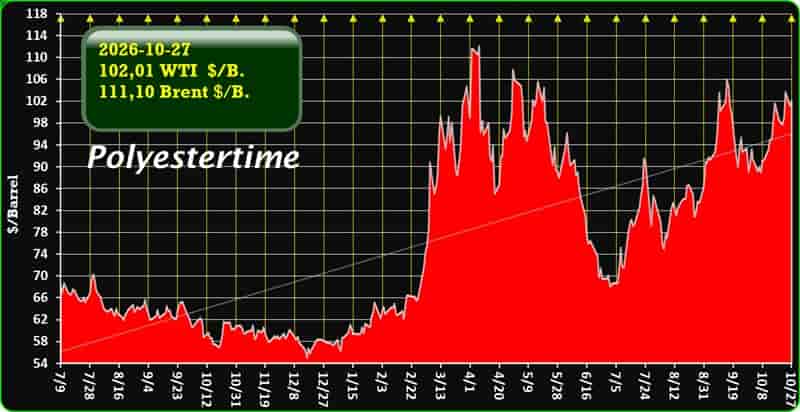
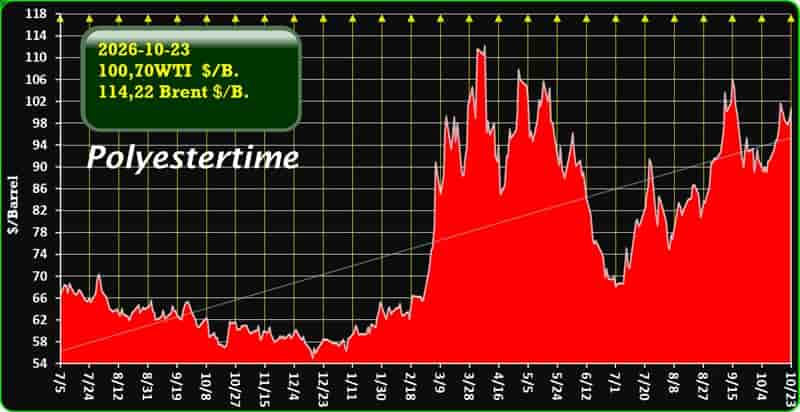
Crude Oil Prices Trend

Syensqo Expands PPS, PPA, and PEEK Compounding at Augusta, Georgia Facility
Strengthening Local Supply with IATF-Certified Excellence
Syensqo, a global leader in high-performance specialty polymers, has announced a strategic capital investment to expand its Ryton® PPS (polyphenylene sulfide) compounding capabilities at its IATF 16949-certified facility in Augusta, Georgia.
This expansion establishes the Augusta site as a powerful one-stop hub for compounding three of Syensqo’s flagship polymer families: Ryton® PPS, Amodel® PPA, and KetaSpire® PEEK. By localizing production and compounding in the U.S., Syensqo streamlines its North American supply chain, improving supply reliability, delivery speed, and operational efficiency. Anti-Dumping Tariffs
Proven Excellence in Polymer Manufacturing
The Augusta facility has long been a cornerstone of Syensqo’s manufacturing capabilities. Already known for its robust compounding of Amodel® PPA and KetaSpire® PEEK, as well as the production of local aromatic resins, the site is now further elevated by the addition of Ryton® PPS to its portfolio.
This move simplifies logistics, reduces reliance on imports, and enables better responsiveness to changing market demands. The IATF 16949 certification also underscores Syensqo’s commitment to the highest quality standards in the automotive industry.
Meeting the Needs of High-Performance Industries
“This investment demonstrates our commitment to providing reliable, high-quality materials to our customers,” said Brian Baleno, Director of Global Business Development and Program Management at Syensqo. “By increasing control of our local capacity, we are better equipped to meet North American market demands and navigate complex trade environments.” Anti-Dumping Tariffs
This expansion is strategically aligned with growing demand in the automotive, energy, and construction industries, particularly in areas like electrification, lightweighting, and connectivity. These trends are shaping the future of materials science, and Syensqo is positioning itself at the forefront.
Expanded Portfolio of Advanced Materials
With the Augusta facility now compounding Ryton® PPS alongside Amodel® and KetaSpire® products, customers across North America gain improved access to an extensive range of high-performance materials:
- Ryton® PPS: Ideal for thermal stability, chemical resistance, and electrical performance in automotive and industrial applications.
- KetaSpire® PEEK: Known for extreme temperature resistance and mechanical strength, suited for demanding environments.
- Amodel® Bios PPA: A bio-based polyphthalamide supporting sustainability and high heat performance. Anti-Dumping Tariffs
- Amodel® Supreme PPA: Engineered for higher temperature capabilities and advanced structural applications.
Driving Innovation Through Localization
By expanding its domestic production footprint, Syensqo enhances its agility and resilience in the face of global supply chain challenges. This initiative ensures that critical polymer technologies are available to North American manufacturers without the delays and uncertainty of overseas sourcing.
The decision also strengthens Syensqo’s ability to serve strategic markets with shorter lead times, improved product customization, and consistent quality — essential advantages in today’s competitive materials landscape.
Conclusion
With this latest investment in the Augusta, Georgia site, Syensqo is reaffirming its leadership in specialty polymers. The addition of Ryton® PPS compounding not only broadens its capabilities but also delivers greater value to its customers by offering a full suite of advanced materials locally — all manufactured to the most rigorous industry standards. Anti-Dumping Tariffs
From automotive electrificati on to industrial innovation, Syensqo continues to power progress through cutting-edge materials, world-class manufacturing, and a strong commitment to the future.

£6M Sustainability Overhaul: Lucozade Energy Bottles Get Eco-Friendly Redesign
Major Investment to Cut Plastic and Emissions
Suntory Beverage & Food GB&I (SBF GB&I), the company behind Lucozade Energy, has announced a £6.3 million ($8.38 million) investment into a major redesign of its bottle packaging. This eco-conscious update is set to significantly reduce the brand’s plastic usage and help support the efficient recycling of its bottles.
The change is a core part of the company’s long-term sustainability and net-zero strategy, helping SBF GB&I reduce its environmental footprint while enhancing product functionality and consumer appeal. Anti-Dumping Tariffs
What’s Changing with Lucozade Energy Bottles?
The iconic Lucozade Energy bottles will now feature a half sleeve label that covers just 50% of the bottle’s height—down from the full-length sleeves previously used. This smart redesign results in:
- A 60% reduction in sleeve weight
- A saving of 956 tonnes of plastic annually
- Reduced water usage—saving the equivalent of an Olympic-sized swimming pool every 289 days
The switch to half sleeves not only simplifies recycling but also aligns with circular economy goals by eliminating unnecessary material use.
A Technological Overhaul in Just Six Weeks
To deliver the new packaging format, SBF GB&I installed state-of-the-art sleeving technology across three high-speed production lines at its Coleford factory. Despite the scale and complexity of the task, the transformation was achieved in just six weeks—amounting to a total of 470 working days. Anti-Dumping Tariffs
“As one of the UK’s biggest energy brands, producing over 3,000 bottles a minute, this has been a large-scale and complex upgrade,” says Karl Ottomar, Supply Chain Director at SBF GB&I. “Reducing a bottle’s sleeve size may sound simple, but it required a full redesign and complete change to our production components. I’m immensely proud of our team’s commitment to our sustainability vision.”
Supporting Net Zero and Industry-Wide Goals
The redesign plays a crucial role in supporting SBF GB&I’s journey toward net-zero emissions. Packaging currently makes up 15.5% of the company’s Scope 3 emissions, and the 956-tonne plastic reduction will contribute meaningfully to its target of a 30% emissions cut by 2030. Anti-Dumping Tariffs
This move follows earlier sustainable packaging changes for sister brands Ribena (2020) and Lucozade Sport (2021). Altogether, the company has now invested £11.3 million ($15.03 million) over the last five years to accelerate its shift toward greener, circular packaging systems.
SBF GB&I is also actively involved in industry-wide sustainability efforts, including advocating for the UK’s Deposit Return Scheme (DRS)—expected to be implemented by October 2027.
New Bottle, Same Bold Energy
Beyond environmental improvements, the newly designed bottles will feature an ergonomic embossed shape that incorporates Lucozade’s signature “Arc” logo. This design update not only strengthens brand recognition but also improves the tactile feel of the bottle in hand.
The revamped Lucozade Energy bottles are now rolling out nationwide and will be available across all major retailers in the coming weeks. Anti-Dumping Tariffs
Looking Ahead
With this initiative, SBF GB&I reinforces its position as a leader in sustainable innovation in the drinks industry. The Lucozade Energy packaging upgrade is more than a design tweak—it’s a statement of intent toward climate responsibility, packaging efficiency, and consumer-friendly solutions.
As the brand continues to evolve, consumers can expect even more steps toward eco-conscious production and waste reduction, ensuring that great taste doesn’t come at the planet’s expense.

How Arburg Stabilizes Injection Moulding for Recyclates with Digital Controls
Innovating Consistency in a World of Material Variability
In traditional injection moulding, producing high-quality parts from virgin plastic is well-established. However, the industry is rapidly shifting toward using post-industrial recyclate (PIR), post-consumer recyclate (PCR), and bioplastics to support sustainability goals. These alternative materials often exhibit wide variations in quality, behavior, and performance.
Arburg, a leader in injection moulding technology, addresses this challenge by integrating advanced digital controls into its machine controllers to ensure process stability and consistent part quality—even when using inconsistent materials. Anti-Dumping Tariffs
The Growing Need for Smart Recycling Solutions
As environmental regulations and industry initiatives push for closed-loop recycling systems, manufacturers face the challenge of using less fossil-based material. Yet, recyclates vary in origin, preparation, and properties—introducing significant complexity into the moulding process. Even virgin materials can display batch-to-batch inconsistencies, especially when improperly dried or handled. These unpredictable variables make traditional machine control methods inadequate for consistent quality.
Understanding the “Black Boxes” in Injection Moulding
Arburg identifies two main “black boxes” in the injection moulding process:
- Unknown material input: The machine doesn’t inherently know what type of recyclate is fed into the hopper.
- Unknown mould behavior: It can’t detect what happens between the mould platens during the cycle. Anti-Dumping Tariffs
These unknowns complicate control over temperature profiles, pressure curves, and melt viscosity—especially when dealing with recycled materials that lack clear specifications or material datasheets. Variability in mechanical properties, color, and odor can all influence final part quality.
Smart Controllers: The Digital Advantage
To combat these challenges, Arburg has developed intelligent pilot functions integrated into its Gestica and Selogica machine controllers. Two key features stand out:
- aXw Control ReferencePilot: Maintains stable mould filling by compensating for variations in melt viscosity.
- aXw Control RecyclatePilot: Actively manages the injection process to minimize fluctuations caused by recyclate inconsistencies.
These tools dynamically adapt process parameters in real time, helping moulders maintain product consistency, even when material quality fluctuates. Anti-Dumping Tariffs
Why a Stable Melting Process Matters
One of the key factors in achieving high-quality parts is a homogeneous and stable melting process. This begins with consistent feeding of the plasticising screw. While granulated recyclate often performs similarly to virgin resin, materials like flakes and reground plastics introduce more complexity.
- Flakes: Can differ wildly in size and shape, making feeding and melting less predictable.
- Reground material: Created from shredded plastic parts, often contains dust and fragments of varying sizes. This dust must be removed to prevent melt inconsistency and screw wear. Anti-Dumping Tariffs
Arburg’s Recyclate Package: Smart Retrofits for Tough Materials
Software Features
- aXw Control ScrewPilot: An intelligent assistant that provides precise control over screw behavior for stable filling.
- Multi-stage start-up parameters: Help adapt the process dynamically during ramp-up phases.
Hardware Enhancements
- Modified cylinder module: Allows smooth feeding of poorly flowing material.
- Special high-compression screw design: Ensures better melting and mixing through deeper channels and high throughput. Anti-Dumping Tariffs
- Feed-zone grooves: Assist in pulling irregular particles into the screw.
- CrN coating: Reduces wear and buildup from dust or foreign particles.
Closing Thoughts
As recyclates become more prevalent in injection moulding, manufacturers must rethink how they approach process control. Arburg’s intelligent controller technology and dedicated recyclate packages pave the way for a more sustainable and adaptable future in plastics manufacturing. By stabilizing even the most inconsistent materials, Arburg enables the industry to take real steps toward circular production—without sacrificing quality.

China Slaps Anti-Dumping Tariffs on Plastics from US, EU, Japan, and Taiwan
Heavy Tariffs Target Engineering Plastics
In a sharp escalation of trade tensions, China has imposed steep anti-dumping tariffs on imports of a specific engineering plastic known as POM copolymer from the United States, the European Union, Japan, and Taiwan. The move, announced on May 18, comes just a week after a tentative 90-day trade truce was agreed between Washington and Beijing.
According to China’s Ministry of Commerce, these nations and regions have been dumping POM copolymer into the Chinese market—selling it below fair market value—which, the ministry claims, has caused significant damage to domestic manufacturers.
The new tariffs are substantial:
- 74.9% on U.S. imports
- 34.5% on EU imports
- 35.5% on Japanese imports (with Asahi Kasei Corp at 24.5%)
- 32.6% on Taiwanese imports (with Formosa Plastics at 4%, and Polyplastics Taiwan at 3.8%) Anti-Dumping Tariffs
Retaliation Following U.S. Tariffs on Chinese Goods
This decision follows the Biden administration’s recent tariffs on Chinese products such as electric vehicles, batteries, and steel. China’s Ministry of Commerce began its anti-dumping investigation in May 2024, signaling a direct response to Washington’s trade barriers.
Interestingly, this is not the first time Beijing has targeted plastic imports. In January, after confirming preliminary dumping activity, China had already introduced initial duties on the plastic—marking a steady progression toward this more aggressive stance.
Trade Truce, But Competition Continues
These new tariffs arrive shortly after a May 10–11 summit in Switzerland, where China and the U.S. agreed to a 90-day cooling-off period. As part of the deal:
- U.S. tariffs on Chinese goods dropped from 145% to 30%
- China’s retaliatory tariffs on American products were lowered from 125% to 10% Anti-Dumping Tariffs
The goal: to pave the way for broader trade negotiations. However, actions on both sides since then suggest that geopolitical and economic rivalry is far from resolved.
U.S. Lawmakers Push Back Against China’s Tech Access
On May 15, bipartisan lawmakers in the U.S. House introduced legislation aimed at blocking China’s access to advanced semiconductor chips—particularly those with military or AI applications. Their concern? That China could use these technologies to:
- Build military-grade systems
- Enhance surveillance capabilities
- Challenge U.S. dominance in AI and emerging technologies
Just two days earlier, the U.S. government had also warned against using American AI chips to train Chinese models or participate in any clandestine transactions that could bypass export restrictions. Anti-Dumping Tariffs
China Strengthens Ties in Latin America
Amid these mounting tensions, Chinese President Xi Jinping held a summit in Beijing with leaders from Latin America and the Caribbean. During this summit, Colombia, a traditional U.S. ally, officially joined China’s Belt and Road Initiative (BRI)—a move seen by many as symbolically and strategically significant.
Colombia’s alignment with China came just one day after the U.S.–China trade truce, highlighting how Beijing continues to expand its global influence even while negotiating trade relief.
Launched in 2013, the BRI now includes 21 countries in Latin America, including Brazil, Chile, and Peru, serving as a key platform for China to counterbalance Western power—particularly that of the United States. Anti-Dumping Tariffs
Final Thoughts
While the recent trade truce might have offered a short-term reprieve, China’s anti-dumping tariffs and America’s pushback in tech sectors underline the fragile and evolving nature of the U.S.–China relationship. As both nations maneuver on the economic and diplomatic fronts, global industries—and especially manufacturers of critical materials like plastics and semiconductors—remain caught in the middle of this high-stakes rivalry.

Iranian Innovation: Nano-Based Antibacterial Fabric Enhances Indoor Air Quality
A cutting-edge textile innovation from Iran is making waves in the field of clean air and public health. A knowledge-based Iranian firm has successfully developed a nano-enhanced polyester fabric with powerful antibacterial and air-purifying properties. This breakthrough could significantly improve indoor air quality in homes, offices, and even crowded urban areas.
How the Fabric Works: Neutralizing Pollutants and Pathogens
The key to this innovation lies in nanotechnology. The fabric is engineered to absorb and break down volatile organic compounds (VOCs) and other airborne pollutants, including:
- Carbon monoxide (CO)
- Nitrogen and sulfur oxides (NOx and SOx)
- Ammonia (NH₃) Anti-Dumping Tariffs
- Hydrogen sulfide (H₂S)
Once absorbed, these pollutants are decomposed through a process involving hydroxyl and superoxide free radicals, neutralizing their harmful effects.
But the benefits don’t stop there. This fabric is also inherently antibacterial and antiviral, capable of eliminating viruses, bacteria, fungi, molds, and yeasts. As a result, the material not only purifies the air but also enhances sanitary conditions in enclosed environments.
Versatile Applications for Home, Office, and Industry
Thanks to its adaptable design, this nano-based fabric can be used in several forms:
- Filter layers in air purifiers
- Stand-alone pad filters (no device needed)
- Antibacterial textiles for clothing, furniture, or accessories
Its effectiveness is proven across diverse environments, from homes and offices to industrial facilities and high-traffic urban zones. Anti-Dumping Tariffs
Nanotechnology in Action: Antibacterial Blankets for Airlines
This isn’t the first time Iranian researchers have applied nanotechnology to textiles. In a notable project earlier this year, a textile plant in Iran developed antibacterial nanofiber blankets specifically designed for airline use.
According to Amin Moqaddam, managing director of the plant, their R&D team formulated a unique method for embedding active nanoparticles in polyester-acrylic fibers.
“These nanoparticles deactivate bacterial enzymes, preventing growth and reproduction,” Moqaddam explained. “This means passengers are less likely to transmit germs through shared blankets.” Anti-Dumping Tariffs
These blankets not only combat bacteria but also offer high fire resistance, a critical safety feature for confined environments like aircraft cabins.
Final Thoughts: A Breath of Fresh Air for the Textile Industry
Iran’s advancements in nano-enhanced fabrics are a testament to the country’s growing expertise in applied nanotechnology. From air filters to airline blankets, these innovations are redefining what fabrics can do — promoting cleaner air, healthier environments, and safer travel.
As environmental health continues to take center stage globally, these smart textiles may soon become standard in public spaces, healthcare settings, and commercial industries.
ORLEN Backs Green Hydrogen Future with Hystar Electrolyser Investment
Strategic Move Toward Renewable Hydrogen
ORLEN Venture Capital has made a significant step forward in its clean energy journey by investing in Hystar, a pioneering Norwegian company developing high-efficiency electrolysers. These electrolysers are designed to produce zero-emission hydrogen at industrial scale, aligning seamlessly with ORLEN’s commitment to a greener future.
The investment highlights ORLEN’s dedication to building a strong hydrogen economy, with plans to use 350,000 tons of renewable and low-emission hydrogen annually by 2035. Anti-Dumping Tariffs
Why Hystar?
Hystar specializes in proton-exchange membrane (PEM) electrolysers, a cutting-edge technology for hydrogen production. What sets Hystar apart is its patented thin-membrane design—up to 90% thinner than those used in conventional systems. This allows for:
- Higher energy efficiency
- Lower hydrogen production costs
- Modular scalability for custom deployment
These innovations make Hystar’s products highly attractive for industrial and energy-sector applications, particularly as hydrogen becomes more vital in Europe’s decarbonization plans. Anti-Dumping Tariffs
Advanced Technology, Ready for Scale
Hystar’s commercial deliveries began in 2022, featuring:
- 0.65 MW membrane stacks
- Turnkey 5 MW electrolyser systems
- ISO 17268 certification for safety and quality
The company’s modular system architecture means configurations can be adapted quickly to meet client needs—an essential feature for large-scale deployment.
Looking ahead, Hystar aims to launch its automated production line in 2027, with an initial output capacity of 1.5 GW per year. By 2031, the goal is to triple this to 4.5 GW annually, enabling mass adoption across Europe and beyond.
Strong Financial Backing
In 2024, Hystar secured a €26 million grant from the European Innovation Fund to automate its production line. The latest funding round, supported by ORLEN VC and other investors, has already surpassed €32 million, ensuring the company is well-positioned to meet its growth and innovation targets through 2027. Anti-Dumping Tariffs
This investment strengthens ORLEN’s access not only to equipment but also to strategic R&D collaboration opportunities, advancing its hydrogen roadmap.
“Hystar’s innovative platform is expected to enable production of 1.5 GW of high-efficiency electrolysers by 2027. This solution is key to achieving our hydrogen goals for 2035,” said Grzegorz Jóźwiak, Director of Hydrogen Technologies and Synthetic Fuels at ORLEN.
ORLEN VC: A Rising Powerhouse in Venture Capital
The partnership with Hystar marks ORLEN VC’s thirteenth direct investment, solidifying its role as one of Central Europe’s most active corporate venture capital players. The fund also has stakes in two international VC funds and plans to complete around five new investments per year, focusing on market-ready innovations that support the ORLEN 2035 Strategy. Anti-Dumping Tariffs
With each investment, ORLEN VC accelerates the transition to low-emission technologies in the energy, fuel, and transport sectors.
Conclusion: Powering a Hydrogen-Driven Tomorrow
ORLEN’s investment in Hystar isn’t just financial—it’s a strategic commitment to sustainable energy transformation. By supporting breakthrough electrolyser technology, ORLEN is positioning itself at the forefront of Europe’s hydrogen revolution.
As Hystar scales production and enhances its technology, the collaboration stands to play a pivotal role in making clean hydrogen affordable and accessible—paving the way for a net-zero emissions future. Anti-Dumping Tariffs