Sustainable Packaging – BioLogiQ Awarded $5M USDA Grant to Revolutionize Sustainable Packaging for Fresh Produce Innovative materials to support U.S. farmers, reduce emissions, and meet global trade standards 02-07-2025
Sustainable Packaging
BioLogiQ Awarded $5M USDA Grant to Revolutionize Sustainable Packaging for Fresh Produce
Innovative materials to support U.S. farmers, reduce emissions, and meet global trade standards
USDA Funds Groundbreaking Packaging Initiative
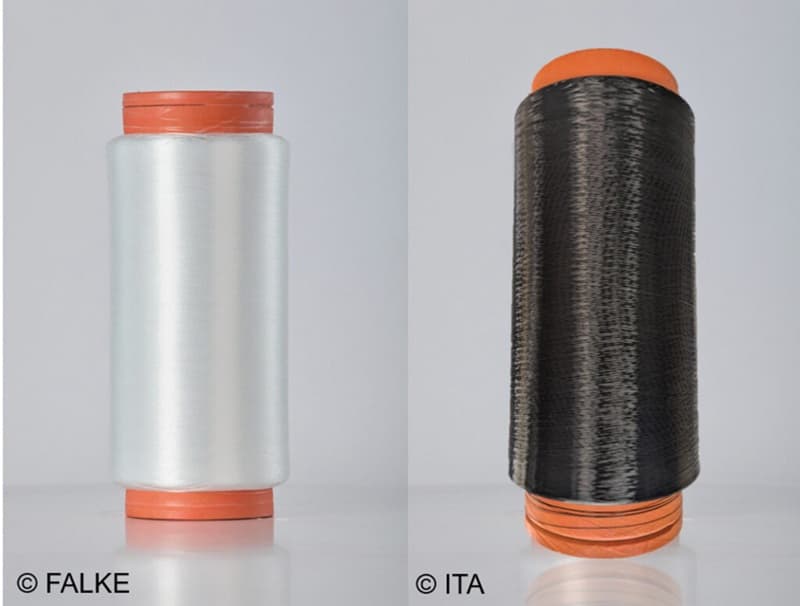
BioLogiQ, an Idaho-based bioplastics innovator, has secured grant funding through the USDA Foreign Agricultural Service’s $5 million Sustainable Packaging Innovation Lab (SPIL), hosted at Clemson University. This project is a part of the Assisting Specialty Crop Exports (ASCE) Initiative, aimed at modernizing U.S. produce packaging for export compliance and sustainability. Sustainable Packaging
The Clemson-BioLogiQ partnership seeks to create commercial-ready, sustainable packaging that helps U.S. farmers meet emerging global regulatory demands while reducing environmental impact.
Focus: Flexible, Compostable, and Recyclable Packaging for Produce
This initiative focuses on packaging used for fruits, vegetables, nuts, and leafy greens. Two core solutions are being developed using BioLogiQ’s proprietary BioBlend® technology:
- A recyclable film combining post-consumer recycled (PCR) materials from ENTEC Polymers with BioLogiQ’s USDA Certified Biobased NuPlastiQ® resin
- A fully compostable alternative targeting markets demanding certified biodegradable materials Sustainable Packaging
Both solutions aim to meet strict standards set by markets in the EU, UK, Canada, and Japan—critical regions for U.S. agricultural exports.
Leadership Speaks: Commitment to Farmers and Sustainability
“As a company based in rural Idaho, we’re proud to be close to the farmers that supply our raw materials.”
“We’re honored to be part of the USDA’s investment to support American agriculture through sustainable innovation.” Sustainable Packaging
The grant enables BioLogiQ to scale up production, aligning their packaging with fast-changing international regulations and reducing dependence on fossil fuels.
Tackling Food Waste and Carbon Emissions Head-On
According to Diana Thomas, Sustainability Manager at BioLogiQ, global food waste generates 4.4 gigatons of greenhouse gases annually—four times more than the entire aviation industry. Packaged food that ends up in landfills contributes significantly to methane emissions, a greenhouse gas 25x more potent than CO2.
By creating compostable and PCR-based packaging, BioLogiQ addresses food spoilage and disposal while promoting circular economy principles. Sustainable Packaging
Building the Future of Produce Packaging
BioLogiQ’s dual-strategy approach gives exporters flexible, sustainable packaging that:
- Meets or exceeds international compliance standards
- Reduces greenhouse gas emissions
- Drives demand for recycled and renewable materials
- Supports U.S. economic growth in rural communities
This forward-thinking development could be a game changer for agricultural exports in the face of tightening regulations and climate pressures. Sustainable Packaging
ENTEC Polymers: Partnering for a Sustainable Future
“We’ve been at the forefront of biobased and recycled polymer solutions for 35 years. Now, it’s time to create a sustainable present to ensure a viable future.”
ENTEC’s collaboration with BioLogiQ reinforces a shared mission to deliver practical, scalable, and sustainable packaging across global markets. Their technical expertise will help troubleshoot industry challenges and enhance adoption of circular solutions.
Core Benefits for U.S. Agriculture and Global Impact Sustainable Packaging
This initiative offers far-reaching benefits:
- Compliance: Aligns with regulatory frameworks abroad
- Innovation: Promotes advanced biopolymer technologies
- Sustainability: Lowers carbon and methane emissions
- Economic Resilience: Supports American farmers in maintaining export market access
About BioLogiQ
BioLogiQ is a sustainability-focused materials company headquartered in Idaho. Its mission is to help replace fossil-fuel-based plastics with eco-friendly alternatives that are both scalable and economically viable. The company’s proprietary resins and blends offer lower carbon footprints and are tailored for global compliance in agriculture and beyond. Sustainable Packaging
Loop Industries Launches Twist™: A Game-Changer in Circular Polyester for Textiles
Twist™, the latest innovation from Loop Industries, redefines sustainability in the textile and apparel world. This newly branded, circular polyester resin is made entirely from textile waste and offers full traceability—from waste feedstock to final fiber.
Why Twist™ Matters
The fashion and textile industries are at a critical juncture. With rising environmental scrutiny, brands face increasing pressure to transition away from virgin plastics and low-impact recycling practices.
Twist™ offers a truly circular solution that meets high-performance demands while dramatically reducing environmental impact. Sustainable Packaging
Key Highlights of Twist™
- Produced entirely from textile waste, not plastic bottles.
- Delivers virgin-quality polyester resin for fashion, sportswear, and home textiles.
- Achieves up to 81% reduction in greenhouse gas emissions.
- Features complete traceability through embedded chemical markers.
- Seamlessly integrates into existing manufacturing infrastructure.
Advanced Tech Behind Twist™
Twist™ is powered by Loop’s globally patented depolymerization technology. The process breaks down polyester waste into its core building blocks—DMT (dimethyl terephthalate) and MEG (monoethylene glycol). These monomers are purified to their original state before being re-polymerized into Twist™ resin. Sustainable Packaging
This proprietary method strips away all dyes, contaminants, and blends—resulting in a material chemically identical to virgin PET. The result is a pure, dyeable, and consistent resin suitable for demanding textile applications.
Performance Meets Circularity
Twist™ provides brands with a solution that doesn’t compromise on quality. Its consistency in color and purity increases spinning and dyeing efficiency, saving time and resources. This makes it a plug-and-play solution across standard polyester manufacturing systems.
Environmental Impact: Verified by Independent LCA
An in-depth Life Cycle Assessment (LCA) conducted by Franklin Associates, a division of ERG, confirmed that producing Twist™:
- Reduces GHG emissions by up to 81% compared to virgin PET. Sustainable Packaging
- Can save up to 418,600 tonnes of CO₂ annually—equal to over 1 billion miles driven by a gas-powered vehicle.
Traceability That Builds Trust
What sets Twist™ apart is its unmatched traceability. Thanks to embedded chemical tracers, customers can verify each product’s origin—down to the specific textile waste it came from.
This level of transparency builds brand trust and meets rising consumer and regulatory demands for credible sustainability claims. Brands can now demonstrate real environmental impact—not just marketing promises.
Global Expansion with Infinite Loop™ India
Twist™ will scale production beyond Loop’s Terrebonne facility to its upcoming Infinite Loop™ India plant. Strategically positioned to support global apparel brands, this state-of-the-art facility will ensure supply chain resilience and cost-efficiency for high-volume partners. Sustainable Packaging
With a planned output of 70,000 tonnes per year, the India plant alone could save the atmosphere from over 400,000 tonnes of CO₂ annually.
Competitive Pricing + Sustainable Innovation
Twist™ is competitively priced, offering a unique blend of environmental performance, traceability, and supply stability. This positions it as a go-to solution for leading brands looking to hit aggressive ESG and circularity targets without compromising their bottom line.
Industry Leaders Backing the Shift
“Twist™ represents a major step forward in closing the loop for textiles. It supports the industry’s shift toward a circular model and offers the quality, scalability, and traceability our customers need.” Sustainable Packaging
— Giovanni Catino, Chief Revenue Officer, Loop Industries
About Loop Industries
Loop Industries is a clean technology company driving the shift away from fossil fuels through innovation in PET plastic and polyester fiber. Their patented depolymerization tech allows even low-value waste materials—including packaging, textiles, and carpets—to be upcycled into high-purity, food-grade PET.
Loop’s branded resins, Loop™ and Twist™, enable brands to meet ambitious sustainability targets with materials that can be recycled endlessly without quality loss.
Quick Facts
- NASDAQ Ticker: LOOP Sustainable Packaging
- Industry: Sustainable Materials / Clean Technology
- Technology: Patented chemical recycling of PET and polyester
Stay Connected
Follow Loop Industries and Twist™ for the latest updates:
- X (Twitter): @loopindustries
- Instagram: @loopindustries and @twistbyloop
- LinkedIn: Loop Industries
- Facebook: Loop Industries
Contact
Investor Relations:
Kevin C. O’Dowd
Loop Industries, Inc.
? +1 617-755-4602
? kodowd@loopindustries.com Sustainable Packaging
thyssenkrupp Uhde and KÖKSAN to Deliver Two State-of-the-Art PET Plants in Türkiye and Iraq
thyssenkrupp Uhde’s subsidiary, Uhde Inventa-Fischer, has signed a strategic Letter of Intent with Turkish packaging leader KÖKSAN to construct two high-capacity PET resin production plants. One will be established in Gaziantep, Türkiye, and the other in Babylon, Iraq, in partnership with Al Mutahida Packaging.
Project Overview
Each plant is designed to produce 324,000 tons of PET resin annually, addressing global demand for sustainable and high-quality packaging. The Gaziantep facility is expected to be operational by 2027, while the Babylon plant is slated for 2028.
Strategic Impact for KÖKSAN
With this investment, KÖKSAN strengthens its footprint in the PET market, positioning itself as a key supplier to local and international markets, including the Middle East, Africa, the Americas, and Europe. The project supports the company’s vision to expand sustainably and competitively across the globe.
“We are very proud that KÖKSAN and Al Mutahida Packaging have chosen us,” said Nadja Håkansson, CEO of thyssenkrupp Uhde. “Our MTR® technology combines reduced energy consumption and higher yield with lower CAPEX and OPEX.” Sustainable Packaging
Why MTR® Technology Stands Out
The MTR® process eliminates the need for a solid-state post-condensation step, offering multiple operational advantages:
- Up to 30% lower carbon footprint
- Reduced energy and fuel consumption
- Higher raw material yield
- Lower capital and operating expenditures
This two-reactor technology uses ESPREE and DISCAGE reactors to achieve the desired high melt viscosities, making it ideal for BCF (Bulk Continuous Filament) and a wide range of packaging applications. Sustainable Packaging
Industry Confidence and Proven Performance
“Our existing lines in Gaziantep continue to deliver outstanding quality and efficiency,” commented M. Murat Kökoğlu, CEO of KÖKSAN. “We’re excited to extend our collaboration with Uhde Inventa-Fischer.”
About thyssenkrupp Uhde
thyssenkrupp Uhde is a global leader in engineering, procurement, and construction for chemical plants. The company develops cutting-edge technologies for base chemicals, fertilizers, polymers, and green hydrogen production. Its commitment to sustainable innovation helps customers transition to a more eco-efficient future. Sustainable Packaging
About KÖKSAN
KÖKSAN PET Packaging Industry Co. is one of the world’s leading PET producers, with facilities that manufacture PET resin, bottles, preforms, PE closures, PET sheets, and flexible packaging products such as stretch and shrink films. The company is a key exporter, operating in more than 100 countries, and maintains strategic operations in regions including China, Libya, Kazakhstan, the USA, Algeria, and Iraq.
KÖKSAN is investing heavily in recycled PET (rPET), with a future production target of 3 million metric tons of PET chips and 2 million metric tons of PTA. Its liquid storage facility in Adana Yumurtalık Free Zone supports efficient material handling and logistics.
AIMPLAS Advances Sustainable Flame-Retardant Materials for Construction & Mobility
Last updated: August 04, 2025
As sustainability becomes a global imperative, key industries like construction and mobility face mounting pressure to adopt environmentally friendly, high-performance materials.
Addressing this challenge, AIMPLAS – the Plastics Technology Centre – is leading two innovative projects aimed at developing flame-retardant composites and coatings that meet modern safety standards while minimizing environmental impact. Sustainable Packaging
Focus Areas: Fire safety, eco-efficiency, advanced manufacturing, renewable materials
NEOCOMP Project: Revolutionizing Flame-Retardant Composites
The NEOCOMP project focuses on the sustainable production of high-performance composite materials that are not only flame-resistant but also mechanically robust and lightweight. Using advanced techniques like Dry Fiber Placement (DFP) and additive manufacturing, the goal is to produce parts with complex geometries and exceptional mechanical properties.
Key Innovations in NEOCOMP
- Development of flame-retardant thermoplastic binders
- Creation of unidirectional dry fiber tapes for DFP
- 3D printing of continuously reinforced filaments Sustainable Packaging
These breakthroughs are expected to significantly enhance production efficiency and reduce waste, opening new possibilities in sectors like automotive, aerospace, and construction. By prioritizing durability, fatigue resistance, and fire safety, NEOCOMP aligns perfectly with global decarbonization goals.
Partners: Ziur Composites, IT3D
REFUGI Project: Eco-Friendly Flame-Retardant Coatings for Wood
Simultaneously, AIMPLAS is spearheading the REFUGI project, which aims to create phosphorus-based flame retardants via mechanochemical processes — a method that aligns with the principles of green chemistry. Sustainable Packaging
These retardants are being incorporated into wood varnishes used in construction, offering both aesthetic appeal and enhanced fire resistance. According to Carolina Acosta, lead researcher in Mechanochemistry at AIMPLAS:
“Flame-retardant varnishes have become popular for offering the same visual finish as traditional wood coatings, with the added benefit of delaying fire spread. Our aim is to use renewable and recyclable materials to develop these retardants.” Sustainable Packaging
Green Chemistry in Action
- Minimizes solvent use and resource consumption
- Shortens reaction times
- Promotes uniform coating distribution
Partners: Omar Coatings, Decomader
Why This Matters: Sustainability Meets Safety
With increasing demands for eco-responsible innovation across Europe and beyond, both NEOCOMP and REFUGI present viable models for how technology can meet modern industrial needs without compromising the environment. These projects directly support the EU’s 2021–2027 sustainability objectives and reflect a strong push toward circular economy practices. Sustainable Packaging
Funding: European Union’s ERDF (2021–2027 Operational Program)

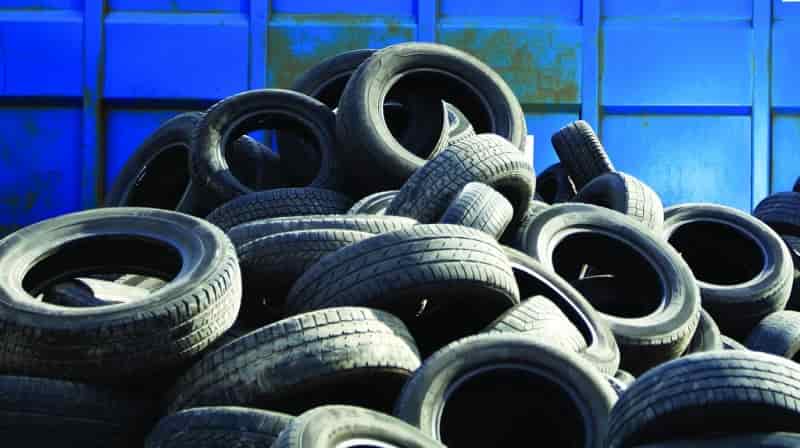
New Technology Turns Used Tires into High-Value Raw Materials
A Chemical Recycling Breakthrough
Led by Professor Soonhyuk Hong, the KAIST research team has engineered a pioneering dual-catalyst system that transforms waste rubber from used tires into high-purity cyclic alkenes — valuable raw materials essential for producing rubber and nylon fibers.
The study, recently published in the journal Chem, marks a major advancement in sustainable chemical recycling and could help shift industries toward a more circular economy.
Why Tires Are So Difficult to Recycle Sustainable Packaging
Unlike many other forms of waste, tires are made to last. They’re constructed from a mix of synthetic and natural rubber, reinforced with chemical additives such as carbon black, silica, and antioxidants. These materials are vulcanized — a process that creates strong cross-links between rubber chains, giving tires their resilience to heat, pressure, and wear.
This durability is also what makes tires nearly impossible to break down with traditional recycling methods.
Limitations of Traditional Recycling Methods
Until now, the primary approaches to tire recycling have been:
- Pyrolysis: Heating tires at extreme temperatures (350–800°C) to break them down into low-grade fuel oils. Sustainable Packaging
- Physical crushing: Shredding tires for use as filler or low-quality aggregate materials.
However, pyrolysis is energy-intensive, poorly selective, and often results in a low-value hydrocarbon mixture. It’s not an ideal solution for large-scale or sustainable reuse.
Introducing a Smarter, Greener Process
To overcome these issues, the KAIST team developed a two-step catalytic process that can efficiently break down rubber chains and reassemble them into usable chemical building blocks.
– The first catalyst alters the bonding structure of the rubber, allowing it to be broken down. Sustainable Packaging
– The second catalyst promotes a ring-closing reaction that forms cyclic alkenes.
This dual-catalyst method achieves:
- Up to 92% selectivity for desired products
- 82% yield efficiency
- Lower temperatures, reducing energy usage significantly
Industrial and Environmental Benefits
The resulting compounds, including cyclopentene and cyclohexene, are high-value chemicals. Cyclopentene can be reused in rubber manufacturing, while cyclohexene serves as a precursor for nylon fiber production.
This means the recycled materials can go directly back into industrial supply chains — a major step forward in sustainable manufacturing. Sustainable Packaging
Real-World Validation
Importantly, the research team successfully tested their system on actual discarded tires, not just lab-grade rubber samples. The technology performed consistently, proving that it’s viable outside of a controlled lab environment.
Unlike pyrolysis, which often produces unusable sludge, this method creates high-purity, valuable products that can be reintroduced into the economy.
Toward a Circular Resource Economy Sustainable Packaging
This breakthrough aligns with global efforts to build a resource-circulating economy — one in which waste materials are continually transformed into new resources. By enabling the chemical recycling of waste tires into reusable raw materials, this technology supports long-term sustainability and industrial decarbonization.
Looking Ahead: Commercialization and Impact
Professor Hong emphasized the team’s next steps: “This research presents an innovative solution for the chemical recycling of waste tires. We plan to develop next-generation high-efficiency catalysts and lay the groundwork for commercial-scale adoption to enhance economic viability.”
He added, “Ultimately, our goal is to help solve the waste plastic and rubber problem through fundamental advances in chemistry.”
Why This Matters for the Future
- For Sustainability: Reduces dependency on virgin materials and fossil fuels.
- For Industry: Provides scalable, high-value outputs from previously unusable waste. Sustainable Packaging
- For Innovation: Demonstrates the potential of precision chemistry in solving environmental challenges.
With tire waste projected to rise, scalable technologies like this could become a cornerstone of tomorrow’s green infrastructure.