Food Packaging – Hexagon Composites and Mitsui Extend Strategic Alliance for Composite Technology Development 19-08-2025
Food Packaging
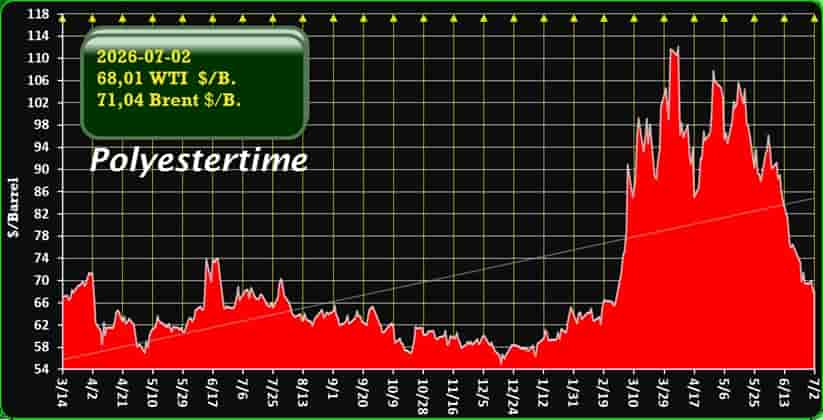
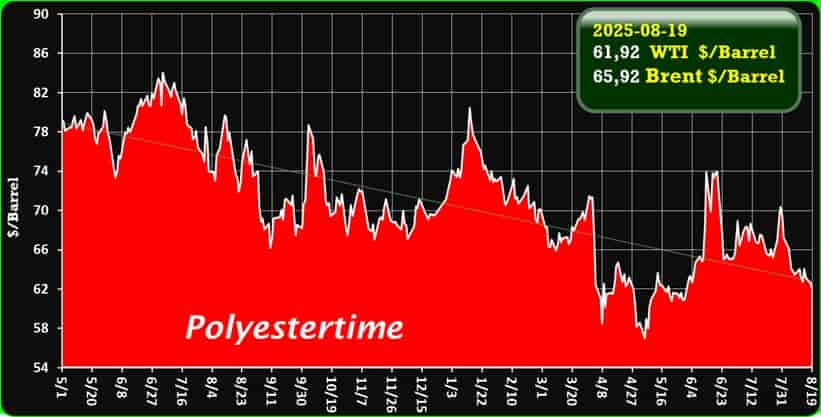
Crude Oil Prices Trend
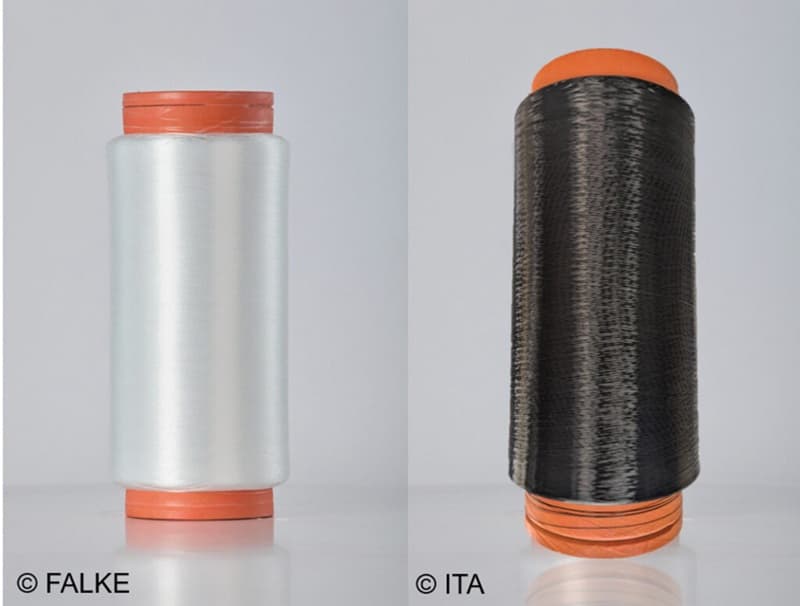
Hexagon Composites and Mitsui Extend Strategic Alliance for Composite Technology Development
Published: August 19, 2025
? Table of Contents
? Introduction
In a world rapidly transitioning toward sustainable energy, Hexagon Composites and Mitsui & Co., Ltd. have reinforced their partnership. Their Strategic Alliance Agreement has been officially extended until March 20, 2030—or until Mitsui’s shareholding in Hexagon falls below a defined threshold.
This extension marks a renewed commitment to innovation in composite technologies, a cornerstone in accelerating the adoption of cleaner and alternative fuels.
? The Extended Strategic Alliance
The updated agreement was signed on in Oslo, Norway, by Philipp Schramm, CEO of Hexagon Composites, and Katsuto Kawahara, General Manager of Mitsui’s Functional Materials Division. Food Packaging
Under this extension, Mitsui continues to hold 15.8% ownership in Hexagon Composites, representing 33,229,096 shares. This investment solidifies Mitsui’s long-term vision for sustainable growth in the composite technology sector.
? A Strong History of Collaboration
The partnership between Hexagon and Mitsui is not new—it has roots going back decades. In 2016, the two companies signed their first strategic alliance, setting the foundation for innovation in alternative fuel systems and lightweight composite technologies.
Since then, their collaboration has created a global benchmark for high-performance materials that power the transition to cleaner mobility and energy solutions.
“Mitsui’s support as a strategic partner and shareholder has been essential to the development of Hexagon.” Food Packaging
— Philipp Schramm, CEO of Hexagon Composites
?️ Official Statements from Leaders
From Hexagon Composites
CEO Philipp Schramm expressed gratitude for Mitsui’s continued support:
“Over the past decade, Mitsui’s industrial expertise and global reach have helped us set a benchmark in the industry and accelerate the adoption of alternative fuels. We look forward to continuing to leverage our synergies to drive the energy transition forward.”
From Mitsui & Co., Ltd. Food Packaging
Representing Mitsui, Katsuto Kawahara reaffirmed their commitment:
“We are pleased to have supported the growth of Hexagon Composites over the past decade. With the renewed Strategic Alliance Agreement, we remain a strategic partner, confident in the long-term growth of the Group.”
? Looking Ahead: The Road to 2030
The extension of the alliance until 2030 signals a strategic focus on innovation, sustainability, and long-term industry leadership. Both companies are doubling down on the development of composite materials that can transform multiple sectors, from transportation to energy storage. Food Packaging
With global regulatory pressures to reduce emissions, Hexagon and Mitsui’s partnership positions them as leaders in the energy transition era.
⚡ Impact on Energy Transition & Composite Innovation
Composite materials play a critical role in lightweighting and efficiency, making vehicles and infrastructure more sustainable. By extending their partnership, Hexagon and Mitsui are ensuring:
- ? Faster adoption of alternative fuel solutions
- ? Improved energy storage systems with lighter composites
- ? Scalable technology for hydrogen and clean mobility
- ? A stronger global footprint for composite innovation Food Packaging
✅ Conclusion
The extension of the Hexagon-Mitsui Strategic Alliance until 2030 underscores a long-term vision: driving technological innovation while accelerating the shift to alternative energy. With Mitsui’s global expertise and Hexagon’s engineering excellence, the partnership is set to redefine the future of composites and sustainability.
? Together, they are shaping a cleaner, more efficient, and sustainable tomorrow.

♻️ Recycling Made Easier with Henkel’s Technomelt EM 335 RE Hot Melt Adhesive for PET Bottles
Henkel introduces Technomelt EM 335 RE, a hot melt adhesive that supports PET bottle recycling, meets EU sustainability regulations, and boosts operational performance—all while improving recyclability and reducing waste.? Introduction
The beverage industry is under increasing pressure to improve sustainability and meet strict recycling regulations. One of the biggest challenges lies in the adhesives used to attach labels to PET bottles. If these adhesives are not easily removable, they compromise the quality of recycled PET flakes, making them less suitable for reuse. That’s where Henkel’s Technomelt EM 335 RE comes in—a breakthrough hot melt adhesive designed for a circular economy.? What is Technomelt EM 335 RE?
Henkel has launched Technomelt EM 335 RE, a hot melt adhesive specifically designed for modern recycling requirements. Unlike traditional adhesives, it is alkali-dispersible and can be removed by up to 98% during recycling. This makes it an ideal solution for both plastic and paper labels. Its standout feature lies in its ability to support the entire PET recycling process by allowing clean separation of labels and adhesives from PET flakes—ensuring higher-quality recycled material. Food Packaging⚡ Key Features & Benefits
- High recyclability: 98% adhesive removal in the recycling process.
- Operational efficiency: Capable of bonding up to 40,000 bottle labels per hour.
- Energy efficiency: Low processing temperature between 110°C and 140°C.
- Safe handling: Mineral oil-free and compliant with food safety standards.
- Reduced waste: X-tra Chubs packaging minimizes packaging waste while improving handling. Food Packaging
“The right adhesive can make or break PET recycling quality. Technomelt EM 335 RE delivers clean separation for better recyclability.” — Henkel
? Impact on the Beverage Industry
For beverage companies, the adhesive that bonds labels to PET bottles plays a critical role in recycling outcomes. Poor-quality adhesives often leave sticky residues on PET flakes, reducing clarity and making recycled material unsuitable for food-grade packaging. With Technomelt EM 335 RE, manufacturers can ensure higher recovery rates, contributing to a cleaner and more efficient circular economy. Food Packaging? Regulatory Context in Europe
The EU Packaging and Packaging Waste Regulation (PPWR) is pushing brands toward more sustainable packaging solutions. Under upcoming rules:- By 2025, single-use PET bottles must contain at least 25% recycled content.
- By 2030, this requirement increases to 30%.
⚠️ The Recycling Challenge with Conventional Adhesives
Conventional hot melt adhesives, widely used in PET bottle labelling, are difficult to remove during recycling. Even in hot caustic soda baths, a key stage of recycling, only 12% to 30% of these adhesives typically dissolve. Food Packaging- Contaminated PET flakes with cloudiness and yellowing.
- Reduced barrier properties, making recycled PET unsuitable for food packaging.
- A significant loss of potential recyclable material.
✅ PETCYCLE Approval & Circular Economy
PETCYCLE Germany has already approved Technomelt EM 335 RE for use in PET bottle recycling.? Conclusion
Henkel’s Technomelt EM 335 RE is more than just an adhesive—it is a step toward a smarter, circular economy. By making recycling easier and PET flakes cleaner, it directly supports sustainability goals, reduces waste, and ensures compliance with upcoming EU regulations. For the beverage industry, this innovation could be the missing link between recycling targets and real-world results. ?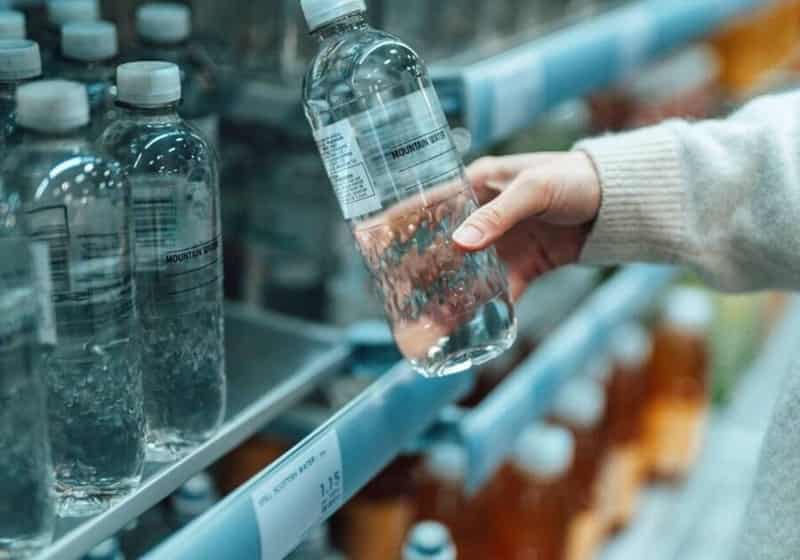
? Biobased PE Reduces Japan’s CO2 Emissions by 470,000 Tonnes in 3 Years
How renewable plastics are reshaping Japan’s sustainability landscape.? Table of Contents
? Introduction
Japan is rapidly becoming a leader in the adoption of biobased plastics. In particular, biobased polyethylene (PE) has emerged as a sustainable material with strong governmental and corporate support. Unlike fossil-based plastics, the CO2 emissions from burning biobased PE can be counted as zero under Japan’s climate policy, making it a key player in global warming countermeasures.? Biobased Plastics in the Japanese Market
Braskem (São Paulo, Brazil) recently reported a sharp rise in demand for biobased shopping bags across Japan. Since 2020, convenience stores, supermarkets, and other retailers have been offering bags with more than 30% biobased PE. These early efforts laid the foundation for wider adoption, building consumer awareness and retailer readiness for greener alternatives. Food Packaging“The adaptability of bio-PE presents a significant opportunity—not just for us, but for companies across various sectors—to lower the carbon footprint of their products and packaging,” – Walmir Soller, VP for NAMEA & CEO of Braskem BV
? 2025 Initiative: 95% Biobased Shopping Bags
In May 2025, Japan introduced shopping bags containing 95% biobased plastic in select regions. These bags mark a new milestone, following years of incremental progress. Based on projected adoption, the initiative is expected to cut around 3,900 tonnes of CO2 emissions annually starting in 2025. This move reflects both corporate responsibility and governmental alignment with the Resource Circulation Strategy for Plastic and Design for Environment guidelines. Together, these policies encourage businesses to reimagine packaging, product design, and supply chain emissions.? Environmental Impact & CO2 Reductions Food Packaging
Over the past three years, Braskem’s shipments of I’m green™ biobased PE to Japan have led to a 470,000-tonne reduction in CO2 emissions. This figure accounts for the full life cycle of shopping bags produced with the material. To put this into perspective, this reduction equals the amount of carbon absorbed by 17.4 million cedar trees in Japan over the same period. ? Unlike conventional polyethylene, I’m green™ biobased PE removes carbon from the atmosphere during its production, creating a negative carbon footprint from cradle to gate.? Braskem’s Role & Global Perspective
Since launching its first commercial-grade bioplastic in 2010, Braskem has observed a consistent rise in global demand. The Japanese market is proving to be one of the most receptive, thanks to consumer awareness and strong policy alignment.? Future Outlook & New Applications
Beyond shopping bags, Braskem is exploring collaborations in flexible packaging, rigid food containers, and even shoe soles. This signals a wider application of biobased PE across industries such as home care, personal care, and fashion. The long-term vision is clear: expand renewable materials into every consumer-facing sector, supporting Japan’s transition toward a carbon-neutral circular economy.? User Experience & Technical Performance Food Packaging
For businesses adopting biobased PE, usability is crucial. Shoppers expect the same durability and performance from bags as fossil-based plastics provide. Fortunately, I’m green™ delivers comparable strength while improving sustainability metrics. From a user experience (UX) standpoint, the design and branding of eco-friendly bags also play a role. Clean labeling, visible eco-certifications, and consistent design choices reinforce consumer trust.✅ Conclusion
Biobased polyethylene is no longer a niche material in Japan—it’s quickly becoming a mainstream solution to reduce CO2 emissions. Braskem’s commitment, combined with Japan’s policy leadership, shows how renewable plastics can scale impact across industries. As adoption spreads, the future of packaging, retail, and consumer products could be defined by sustainable innovation. ?♻️ FooMod PackagingMore…

? What’s in Your Food Packaging? Nuclear Science is Working to Keep it Safe
Reading time: ~10 minutes? Why Packaging Matters
Food packaging does more than just carry our meals. It protects against spoilage, makes transport easier, and extends shelf life. But packaging materials aren’t always inert. Studies reveal that plastics, tins, ceramics, and even biodegradable options can release harmful substances. This means your salad box, coffee cup lid, or even a glass jar cap could be introducing unwanted chemicals into your food. ? Food Packaging☣️ What Contaminants Hide in Packaging?
Researchers have identified several groups of contaminants that migrate from packaging to food:- Heavy metals like lead and cadmium.
- Endocrine disruptors such as bisphenols (BPA) and phthalates.
- Forever chemicals (PFAS) that don’t break down in nature.
- Microplastics — sometimes more abundant in glass bottles due to cap linings than in plastics!
- Microbiological risks, especially in reused or biodegradable containers.
? How Nuclear Science Helps
Nuclear and related analytical techniques are game-changers in food safety. They allow scientists to detect harmful substances at ultra-trace levels — often before they become a health threat. These methods are fast, precise, and usually non-destructive. Here’s how they work:- Neutron activation analysis & X-ray fluorescence – detect toxic elements like heavy metals.
- Inductively coupled plasma mass spectrometry (ICP-MS) – measures contaminants at microscopic levels.
- Isotope dilution chromatography-mass spectrometry – tracks migrating organic chemicals. Food Packaging
- Infrared microscopy – reveals microplastics invisible to the naked eye.
- Stable isotope analysis – verifies claims about bio-based plastics.
? A Joint Effort for Safer Packaging
The International Atomic Energy Agency (IAEA), together with the FAO, runs the Atoms4Food initiative to help countries monitor and regulate packaging safety. By training scientists, providing equipment, and developing protocols, they support global food safety systems. Food Packaging“Through the Atoms4Food initiative, we are advancing research and developing innovative protocols to detect potential contaminants migrating from packaging materials into food, using nuclear and related techniques.” — Rola Bou Khozam, Head of the IAEA’s Food Safety and Control Section
? Innovation for a Greener Future
The packaging industry is also looking to sustainability. Companies like Nestlé and IBM are exploring AI to design eco-friendly materials. Nuclear techniques complement this by making biodegradable packaging stronger and safer. For instance, radiation processing improves polymer durability, antimicrobial performance, and printability — without toxic additives. ? Food Packaging“Nuclear technology allows us to improve material performance in a clean, efficient way — without adding harmful substances.” — Celina Horak, Head of the IAEA’s Radiochemistry and Radiation Technology Section
? On the Global Stage
International collaboration is crucial. At the 2024 Vienna Sustainable Food Packaging ConFex, the IAEA, UNIDO, and global industry leaders gathered to tackle packaging challenges. Discussions focused on recyclability, safety standards, and scientific methods for detecting contaminants. The IAEA’s Food Safety and Control Laboratory played a central role in shaping global regulatory conversations. ?️ Food Packaging? Looking Ahead
As consumers demand healthier and greener choices, safer packaging will only become more important. Nuclear science ensures that the very materials designed to protect our food don’t become hidden risks. The future lies in balancing health, sustainability, and innovation — so what protects your food also protects you. ?♻️ Loop Industries and Shinkong Launch Strategic Alliance to Support Global Shift to Circular Polyester
Reading time: ~12 minutes
? Introduction
The textile and fashion industries are under immense pressure to reduce their environmental impact. Polyester, the world’s most widely used fiber, plays a central role in this challenge. Loop Industries and Shinkong Synthetic Fibers Corporation have joined forces to accelerate the transition from a linear to a circular textile economy. Together, they aim to make sustainable polyester solutions mainstream — a move that could reshape the future of apparel manufacturing worldwide. ?♻️
? About Loop & Shinkong
Loop Industries is a clean technology company specializing in 100% recycled polyethylene terephthalate (PET) plastic and textile-to-textile (T2T) polyester. Its patented processes transform end-of-life textile waste into Twist™, a high-purity circular polyester resin.
Shinkong Synthetic Fibers Corporation, part of the Shinkong Group, is a major force in Taiwan’s polyester industry. Food Packaging
With over 50 years of expertise, Shinkong has a global reputation for sustainable, high-performance polyester yarn solutions. Its product portfolio spans polyester fibers, chips, films, and eco-innovations designed for the circular economy. ?
? Twist™ Innovation: Closing the Loop
Unlike conventional recycling methods that struggle with dyes, blends, and contaminants, Loop’s technology produces a fully traceable, virgin-quality polyester resin. Twist™ overcomes one of the fashion industry’s toughest problems: transforming complex textile waste streams into next-generation fibers that meet brand expectations for quality, performance, and transparency. Food Packaging
- ✔️ Removes dyes and contaminants
- ✔️ Creates virgin-quality performance polyester
- ✔️ Provides full traceability from waste to yarn
- ✔️ Supports sustainable innovation at scale
? Why This Partnership Matters
The strategic alliance between Loop and Shinkong is more than a business deal — it is a blueprint for the future of textiles. By combining Loop’s patented technology with Shinkong’s spinning capabilities and vast customer network, the partnership delivers immediate benefits:
- For Loop: Expanded global distribution and direct access to yarn-spinning expertise. Food Packaging
- For Shinkong: Exclusive access to Twist™ resin, adding unique value for its 100+ customers.
- For brands: Easier adoption of next-gen circular polyester at industrial scale.
- For the planet: A measurable reduction in textile waste and environmental footprint. ?
? Impact on Global Apparel Brands
Global apparel brands are increasingly under pressure from consumers and regulators to adopt sustainable materials. This partnership enables them to:
- ? Replace virgin polyester with high-quality, recycled alternatives.
- ? Ensure transparency and traceability in supply chains.
- ⚡ Simplify sourcing by cutting out intermediate steps.
- ? Maintain the same performance standards as traditional polyester.
? Strategic Role in Infinite Loop™ India Food Packaging
The partnership is strategically linked to the planned Infinite Loop™ India project. With Shinkong’s deep customer relationships and distribution reach, Twist™ resin can be spun into premium yarns and supplied globally. This ensures that recycled polyester is not just a niche product, but a mainstream solution available worldwide. ?
?️ What Leaders Are Saying
“Partnering with Shinkong represents an important milestone in providing circular polyester solutions to global brands.
Their technical excellence and global positioning are a perfect complement to our Infinite Loop™ platform.” Food Packaging
— Giovanni Catino, Chief Revenue Officer, Loop Industries
“Our collaboration with Loop Industries represents a strategic move to meet the growing market demand for sustainable and circular polyester solutions. By leveraging Loop’s proprietary technology alongside Shinkong’s global expertise, we can deliver eco-efficient materials at scale.” Food Packaging
— Sam Hu, Vice President, Shinkong Synthetic Fibers
? Future Outlook
Looking ahead, the Loop-Shinkong alliance is positioned to accelerate adoption of circular polyester worldwide. The collaboration is expected to open new growth opportunities, especially in premium and sustainability-focused markets. With fashion brands pledging to reduce their environmental footprint, demand for circular polyester yarns is set to surge. ?
✅ Conclusion
The alliance between Loop Industries and Shinkong represents a transformative moment in the global textile economy. It offers a clear pathway for brands to shift from linear to circular systems, while maintaining the performance, quality, and transparency that consumers expect. Together, Loop and Shinkong are not just making polyester sustainable — they are redefining the future of textiles. ?? Food Packaging
?CPChem Expands Low-Viscosity PAO Capacity in Belgium
Last updated: August 19, 2025
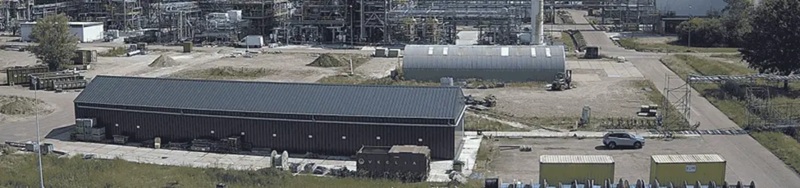
Chevron Phillips Chemical (CPChem) has successfully completed a major expansion at its low-viscosity polyalphaolefins (LV PAO) production unit in Beringen, Belgium. This strategic project marks a significant milestone in the company’s European operations, doubling the facility’s capacity and strengthening its position in the global specialty chemicals market. Food Packaging
? Why This Expansion Matters
Low-viscosity polyalphaolefins (LV PAOs) are not just niche chemical products—they are critical enablers across industries:
- ? Automotive lubricants that improve engine efficiency.
- ⚙️ Industrial lubricants supporting heavy-duty machinery.
- ? Electric vehicles requiring high-performance fluids.
- ?️ Wind turbines for renewable energy generation.
- ? Immersion cooling systems for data centers. Food Packaging
As industries worldwide push for sustainable, efficient, and durable solutions, demand for LV PAOs continues to climb steadily. CPChem’s expansion ensures it can meet this growing demand while reducing its environmental footprint.
? Leadership Insights
“Beringen has a proud legacy of operational excellence and innovation in PAO production. This expansion strengthens that legacy, enhances integration with our existing assets, and reinforces CPChem’s position as a global leader in the specialty chemicals market.” — Antoine Janssens, General Manager for EMEA Food Packaging
“This expansion reflects our commitment to growth and innovation. We’re scaling up to meet global demand while maintaining the high quality our customers rely on.” — Frank Derudder, EMEA PAO/NAO Manager
? Sustainability Through Electrification
A cornerstone of the project is its advanced electrification technologies, designed to reduce reliance on natural gas. By investing in cleaner processes, CPChem is:
- ⚡ Lowering greenhouse gas emissions. Food Packaging
- ? Improving long-term energy efficiency.
- ☀️ Exploring renewable electricity integration.
These innovations align with global sustainability goals and position CPChem as a leader in energy-efficient specialty chemical production.
? Strategic European Location
The Beringen facility is not only technologically advanced but also strategically located in the heart of Europe. Its advantages include:
- ?? Access to a skilled local workforce.
- ? Strong supply chain infrastructure.
- ?️ Proximity to key feedstocks and markets.
This geographic positioning ensures efficient logistics, reduced transportation emissions, and robust market responsiveness. Food Packaging
? How This Expansion Impacts Global Markets
The doubling of capacity has implications far beyond Belgium. The ripple effects include:
- ? Increased availability of high-performance lubricants worldwide.
- ? Strengthening of Europe’s role in specialty chemical supply chains.
- ? Boosting innovation in emerging sectors such as EVs and renewable energy.
- ? Potential cost efficiencies passed on to customers due to scale.
For industries dependent on reliable LV PAO supply, this move signals stability and future-ready innovation. Food Packaging
? Visuals & Branding

✅ Conclusion
CPChem’s expansion of its Beringen LV PAO unit is more than just a capacity increase—it’s a statement of innovation, sustainability, and global leadership. With demand for high-performance lubricants surging across industries, this strategic move ensures that CPChem remains a key enabler of sustainable progress in transportation, energy, and technology. Food Packaging
For businesses, industries, and investors, the expansion signals resilience, responsibility, and readiness for the future. ?⚡