FE Green PET wins €30.5 million HSBC Malaysia funding to boost rPET resin production, driving sustainable growth and circular innovation
FE Green PET Secures €30.5 Million from HSBC Malaysia to Expand rPET Resin Production
Malaysia’s sustainability landscape is taking a major step forward. FE Green PET, a leading Malaysian manufacturer specializing in recycled polyethylene terephthalate (rPET resin), has received €30.5 million in financing from HSBC Malaysia to expand its production plant in Melaka. The funding marks a significant milestone for Southeast Asia’s circular plastics economy and strengthens the region’s role in global sustainable materials manufacturing.
Financing to Drive Sustainable Manufacturing Growth
According to FE Green PET, the financing will support both the construction phase and post-commercial operations of its new rPET resin plant. The loan proceeds are set to fund land acquisition, advanced recycling machinery, and equipment for the facility’s first phase.
The company aims to transform the site into one of Malaysia’s largest rPET resin production hubs, with the capacity to process 50,000 metric tonnes of post-consumer recycled (PCR) plastic bottles each year.
“This project aligns with our commitment to sustainability and Malaysia’s circular economy goals,” an FE Green PET spokesperson stated. “By turning discarded PET bottles into high-quality rPET resin, we are redefining waste as a renewable resource.”
Transforming PET Bottles into Circular Value
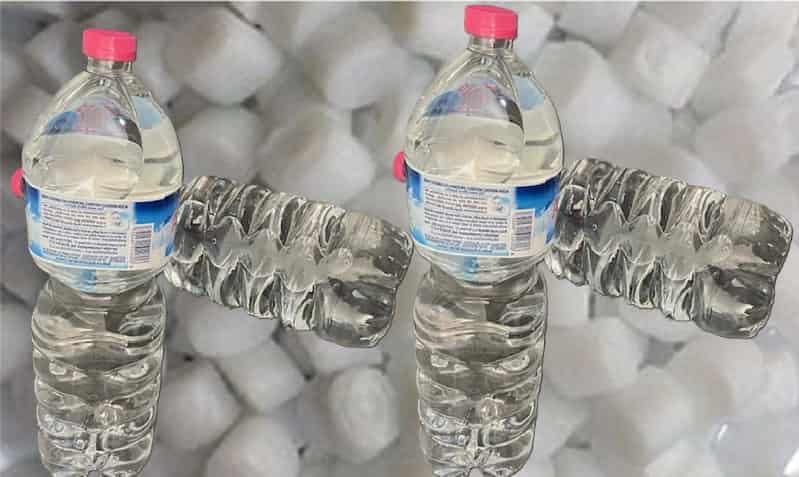
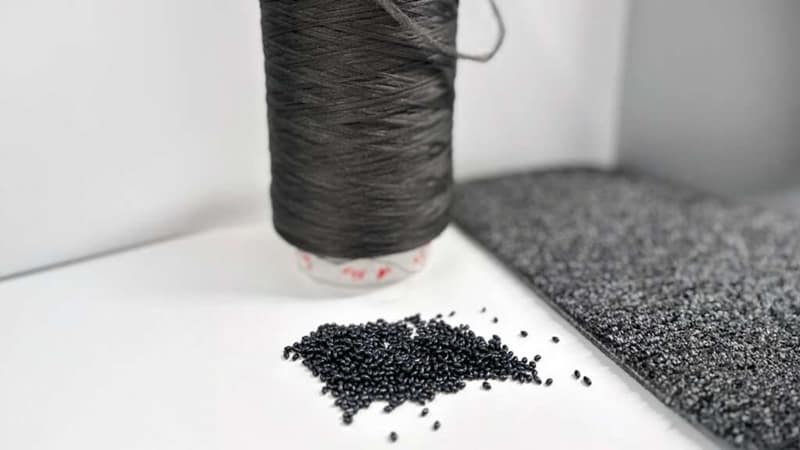
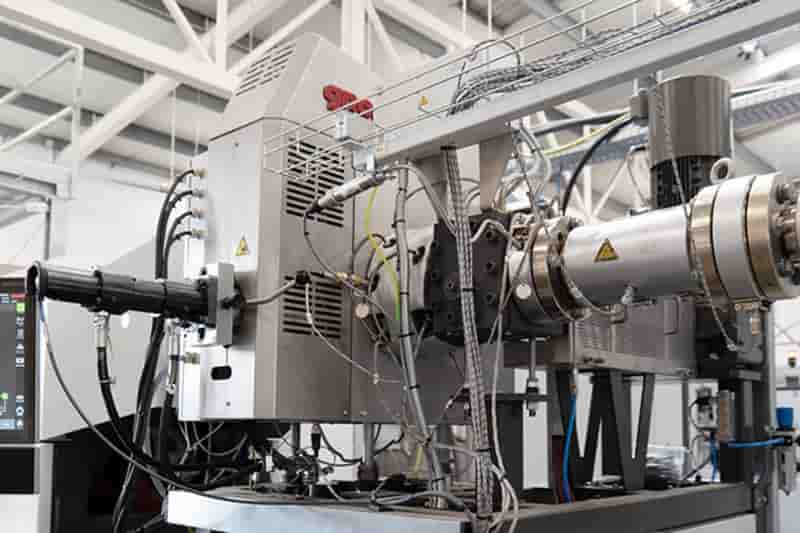
FE Green PET employs advanced processes such as sorting, cleaning, decontamination, and pelletising to convert locally sourced PET waste into food-grade rPET resin. The company’s technology ensures that the recycled material meets international safety and quality standards, making it suitable for use in beverage and packaging applications.
The facility’s annual output of 50,000 tonnes will supply major beverage and FMCG brands seeking to meet global sustainability and recycled-content targets. This production capacity is expected to significantly reduce plastic waste sent to landfills while cutting carbon emissions associated with virgin plastic production.
Why rPET Resin Matters for Circular Economy Goals
Recycled polyethylene terephthalate — or rPET resin — plays a pivotal role in creating a circular plastics economy. Unlike virgin PET, which relies on fossil feedstocks, rPET is made from collected and processed used bottles. The material can be recycled multiple times, reducing both waste and greenhouse gas emissions.
As governments and corporations tighten environmental targets, demand for rPET resin continues to rise globally. The EU, for instance, has mandated that all PET beverage bottles contain at least 25% recycled content by 2025, increasing to 30% by 2030. Asia’s manufacturers, including FE Green PET, are increasingly aligning with these global sustainability benchmarks.
HSBC’s Role in Green Financing
HSBC Malaysia’s decision to finance the expansion underscores its growing focus on sustainable investment and climate-linked lending. The €30.5 million green loan reflects the bank’s strategy to support environmentally responsible manufacturing projects that align with UN Sustainable Development Goals (SDGs) and Malaysia’s National Energy Transition Roadmap (NETR).
“HSBC is proud to help accelerate Malaysia’s circular plastics industry through green financing,” said an HSBC Malaysia representative. “By supporting companies like FE Green PET, we’re fostering innovation in sustainable materials and helping local industries reduce their carbon footprint.”
This partnership demonstrates how financial institutions can play an enabling role in building rPET resin infrastructure — bridging the gap between environmental ambition and industrial capability.
Expanding Recycling Infrastructure in Southeast Asia
The Melaka project arrives at a crucial time. Southeast Asia faces mounting plastic waste challenges, but also a growing opportunity to lead in advanced recycling solutions. By investing in rPET resin capacity, FE Green PET positions Malaysia as a key regional player in circular packaging and sustainable exports.
The new facility will not only create green jobs but also attract foreign partners interested in responsible sourcing. Local collection systems for PET bottles are expected to improve as demand for feedstock rises, closing the loop on waste management.
Aligning with Global Circularity Standards
The European PET Bottle Platform (EPBP) recently introduced its Circularity Test Protocol — a framework designed to help brands and recyclers transition to multi-loop recycling systems. This move complements FE Green PET’s vision, as both initiatives focus on maximizing resource efficiency and ensuring that recycled PET remains suitable for repeated use in packaging.
The EPBP protocol also supports compliance with upcoming EU regulations mandating minimum rPET content. These standards push the global industry to prioritize design-for-recycling, improved material recovery, and innovative resin engineering — all areas where FE Green PET aims to excel.
Innovation Spotlight: Advancements in rPET Technology
Innovation continues to accelerate within the rPET resin sector. One example comes from Italian company SIPA, a finalist in the Sustainability Awards for its XFORM RENEW technology. This system enables high-speed, low-emission production of rPET preforms using tooling with up to 200 cavities.
Such advancements make rPET production more cost-efficient, scalable, and environmentally friendly — supporting manufacturers like FE Green PET that are expanding production capacity to meet surging demand.
Environmental and Economic Impact
By scaling rPET resin manufacturing, FE Green PET’s project contributes to multiple sustainability goals:
-
Reducing plastic waste: 50,000 tonnes of waste diverted annually from landfills and oceans.
-
Lowering carbon emissions: rPET manufacturing emits up to 70% less CO₂ than virgin PET production.
-
Driving green job creation: new technical, logistics, and R&D roles in Melaka’s growing circular economy sector.
-
Supporting local collection systems: incentivizing communities to recover and supply post-consumer PET bottles.
These outcomes align with Malaysia’s ambition to be a regional leader in green manufacturing and resource recovery.
Conclusion: Malaysia Steps Forward in Circular Plastics Leadership
The €30.5 million financing from HSBC Malaysia is more than an industrial expansion — it’s a commitment to sustainability, innovation, and circularity. FE Green PET’s new facility will transform waste into opportunity by producing tens of thousands of tonnes of rPET resin annually, strengthening Malaysia’s role in global recycling ecosystems.
With growing international regulations and sustainability demands, investments like these are vital to building a resilient, circular plastics economy. As the world moves toward net-zero goals, rPET resin is emerging as both a material solution and a symbol of responsible industry transformation.
More…