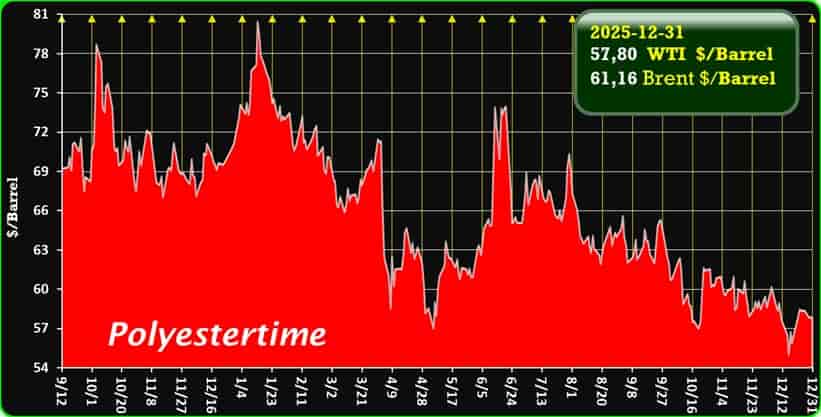
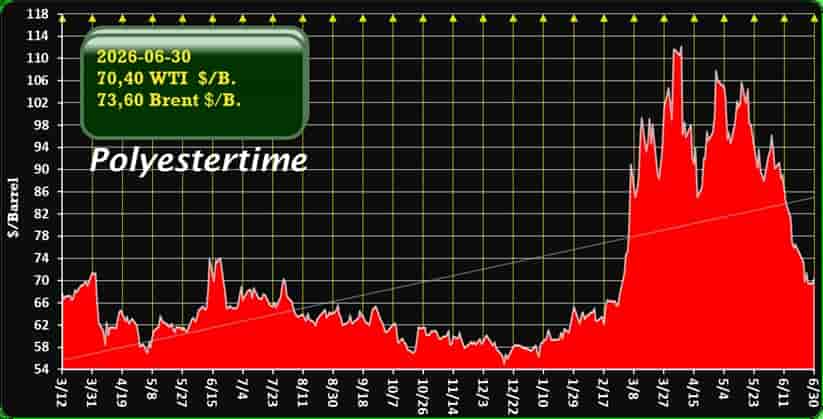
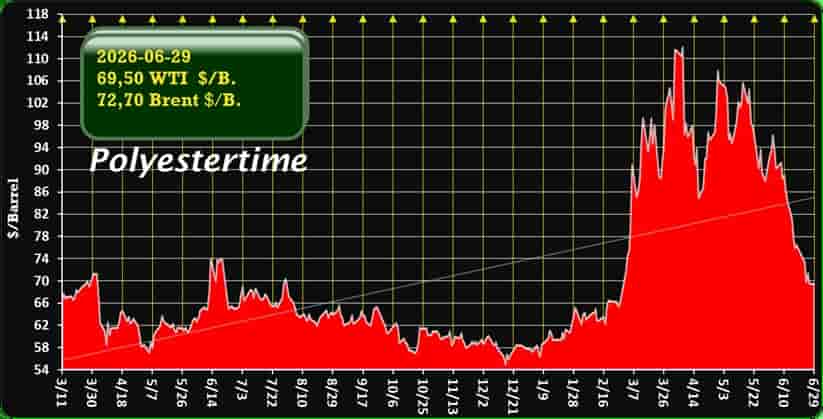
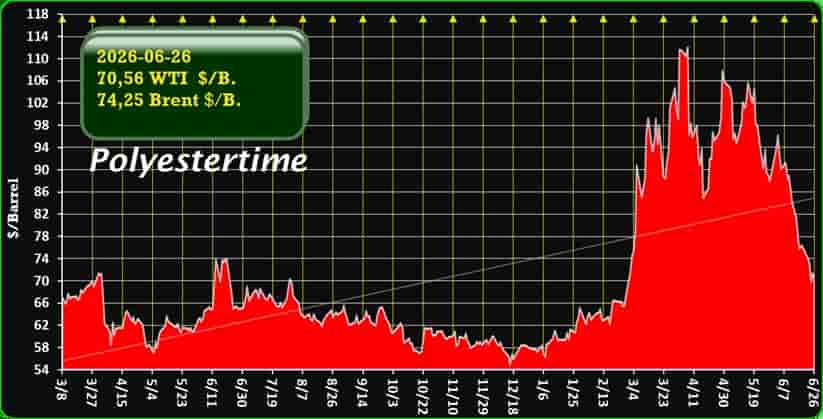
How Oil Price Trends Ended 2025 with Brent at $61.16 and WTI at $58.80: Oversupply, Weak Demand & Shifting Investor Sentiment Drive Market Dynamics 31-12-2025
📊 Current Oil Price Trend — Brent & WTI (December 31, 2025)
As 2025 draws to a close, the oil price landscape remains subdued:
| Benchmark | Price (Approx.) | Annual Trend |
|---|---|---|
| Brent Crude | $61.16 per barrel | Down ~18% in 2025 Reuters |
| WTI Crude | $58.80 per barrel | Near ~20% annual decline Investing.com Italia |
Brent and WTI continue to trade near multi-year lows compared with recent cycles, reflecting a broader decline in crude prices throughout 2025. Reuters
For traders and analysts, the persistence of lower levels indicates market caution, with little sustained upside momentum despite periodic geopolitical headlines.
🌍 Key Drivers of Today’s Oil Price Movements
1. Global Supply Outpacing Demand
A central theme shaping the oil price trend is persistent supply surplus. Output increases from OPEC+ and resilient U.S. shale production kept global inventories ample, even as demand recovered moderately. Analysts estimate that supply growth may outstrip demand by millions of barrels per day going into 2026 — a significant bearish factor for crude prices. FXEmpire
Although demand for petroleum products (e.g., diesel, jet fuel) has risen modestly due to economic activity, it hasn’t kept pace with the sharp increase in production — tipping the balance toward excess inventories.
IEA data also points to ongoing supply growth, even as demand advances, reinforcing downward pressure. IEA
2. OPEC+ Actions & Strategic Decisions
OPEC+ has remained a key influencer in the oil price equation. While the alliance trimmed some output earlier in 2025, it also added roughly 2.9 million barrels per day to the market at times — undermining any sustained price rebound. FXEmpire
At year-end meetings, some members signaled a pause or modest reductions, but the collective output posture still tips the market toward surplus. This delicate balancing act keeps prices range-bound rather than spiking higher.
3. Geopolitical Developments
Normally, geopolitical tensions act as a bullish counterweight to oversupply — but in 2025 the impact was muted. Despite conflicts in Eastern Europe, Middle East friction, and sanctions on oil exporters like Russia and Venezuela, these events resulted more in supply shifts than meaningful declines in global output. Reuters
For example, Russian producers have coped with weak prices through tax breaks, mitigating some downside risks — but discounted crude sales have still weighed on margins. Reuters
4. Economic Data & Broader Market Sentiment
Investors are closely watching macroeconomic signals. In 2025, many advanced economies continued expanding at moderate paces, but global growth forecasts cooled due to inflationary pressures and tightening monetary policies. Slower growth expectations tend to lower crude demand forecasts, damping price aspirations.
Commodity markets (e.g., gold and silver) outperformed oil as traders sought diversification and safe-haven positions during periods of uncertainty. Reuters
Banks and analysts trimmed price forecasts for 2026, reflecting a modestly bearish sentiment that sees Brent and WTI lingering in lower price bands. MRT
📈 Investor Sentiment: Cautious and Range-Bound
Market sentiment around oil price dynamics is neutral to bearish. With supply surpluses, weak demand growth, and ongoing macro headwinds, investors have grown cautious:
-
Technical traders are watching key support and resistance levels, using indicators like Fibonacci retracements to gauge trading ranges amid oversupply fears. FXEmpire
-
Financial institutions still view hydrocarbons as investable over the medium to long term, but with moderated near-term expectations. MRT
This combination has created a market where sharp rallies are less likely, and price swings are more contained.
👀 Short-Term Outlook for Oil Price
Looking ahead into Q1 2026 and beyond:
-
Analysts forecast Brent may dip toward the mid-$50s/b before stabilizing as inventory rebalances. Reuters
-
Supply is expected to continue exceeding demand, keeping price upside limited. FXEmpire
-
Any sustained bullish move likely depends on unexpected supply disruptions, stronger demand recovery, or coordinated production cuts.
From a technical standpoint, oil price movements may remain range-bound, with crucial support near current levels and resistance only returning if sentiment shifts sharply. A lack of fundamental catalysts means narrow trading bands are probable in the near term.
🌐 What This Means for the Global Economy & Energy Markets
For Consumers
Lower oil price levels can translate into reduced fuel costs and broader energy savings, benefiting transport and industrial sectors. This may support consumer purchasing power in many economies.
For Producers
Oil exporters with higher break-even costs (e.g., some U.S. shale plays, smaller OPEC members) may face margin pressures if prices remain subdued. This could lead to production curtailments, affecting long-term supply trends.
For Investors
A cautious energy market highlights the importance of diversified portfolios. Those focusing on energy can weigh exposure to oil equities, futures, and alternatives (like renewables) based on longer-term demand trends.
💡 Summary:
As of December 31, 2025, the oil price trend reflects a market grappling with oversupply, muted demand, and cautious investor outlooks. Brent and WTI are trading near multi-year lows, with prospects for further range-bound action in early 2026. While geopolitical risks still loom, the prevailing narrative favors moderation over spikes — a story that will shape energy markets in the months ahead.