Weak Oil Price Signals Persist as Brent Nears $64 and WTI Under $60 Amid Oversupply, Soft Demand, OPEC+ Dilemmas, and Market Unease on January 21, 2026
Current Oil Price Snapshot – Brent and WTI Performance
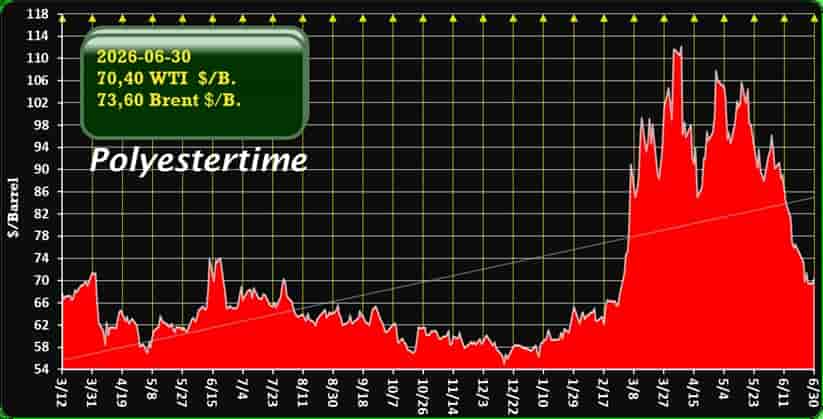
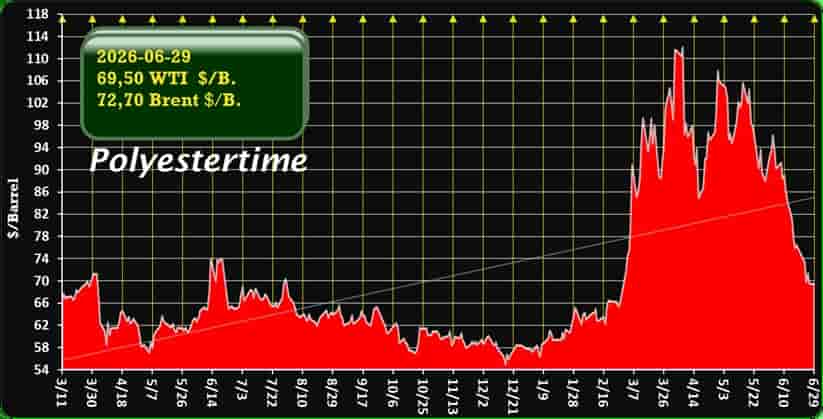
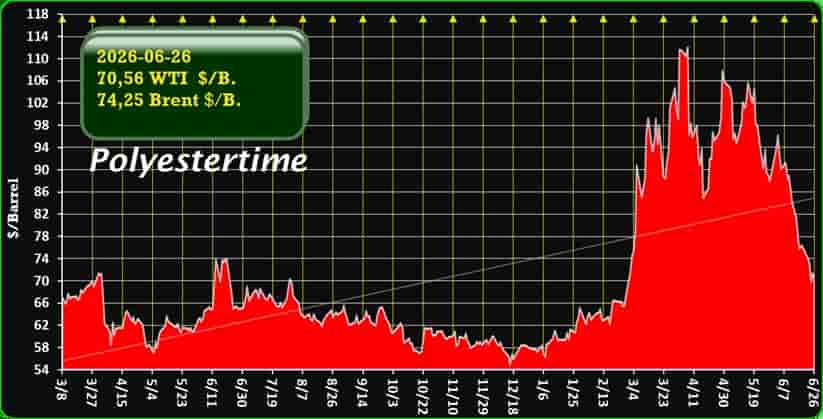
As of January 21, 2026, global crude benchmarks continue to hover at relatively weak levels compared with the historic averages of recent years.
-
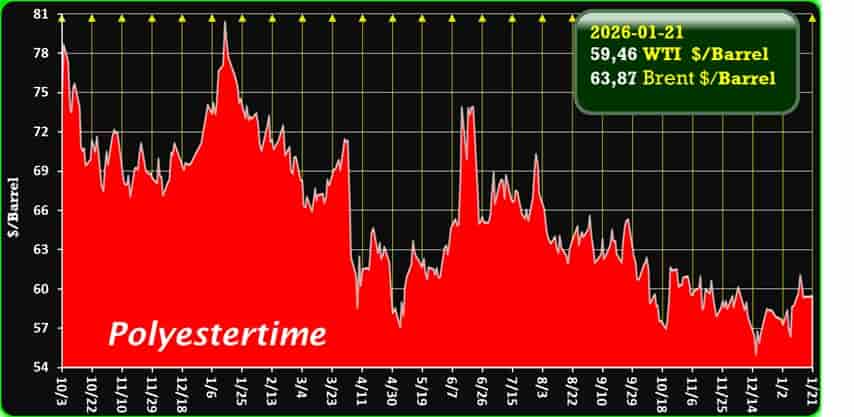
Brent crude oil: approximately $63.95 per barrel
-
WTI (West Texas Intermediate): approximately $59.55 per barrel
This aligns with broader data showing crude prices struggling to break out of their current range amid oversupply and soft global demand fundamentals, with Brent recently trading near $64 and still considerably lower than year-ago levels.
Price Table: Brent vs WTI Movements
| Benchmark | Latest Value (approx.) | Recent Trend |
|---|---|---|
| Brent | $63.95/B | Modest sideways to slightly up |
| WTI | $59.55/B | Flat to modest strengthening |
This table reflects ongoing volatility and a market still adjusting to competing forces of supply, demand, and investor positioning.
Main Drivers Behind Today’s Market
Understanding current oil price dynamics requires assessing four key dimensions shaping the market:
1. Global Supply and Demand Balance
Supply Conditions: Global oil supply remains elevated. Production growth from major exporters, including OPEC+ members, continues to outpace immediate demand, contributing to a persistent surplus. Research from the World Bank and IEA indicates supply expansions of several million barrels per day in 2025–26, notably driven by higher output targets from OPEC+.
Demand Weakness: Despite some improvements in economic data, demand growth — especially in advanced economies — has remained lackluster compared with pre-pandemic trends, partly due to energy efficiency gains and structural changes in consumption patterns. Combined with increasing adoption of electric vehicles and alternative fuels, overall crude demand growth remains below historical averages.
Together, these imbalances have weighed on oil price benchmarks, keeping them under significant pressure relative to longer-term forecasts.
2. OPEC+ Actions and Strategy
OPEC+ continues to play a central role in price formation. While the group implemented production discipline in early 2026 to support prices, there remains uncertainty about the depth and duration of cuts. Analysts have noted that while backwardation in crude forward curves can signal supportive short-term fundamentals, persistent oversupply concerns remain.
Some forecasts also signal that insufficient OPEC+ restraint may keep prices subdued, with downside scenarios pointing toward Brent and WTI drifting lower if demand growth fails to accelerate.
3. Geopolitical Developments
Geopolitical commentary continues to influence sentiment, although the market’s reaction has at times been muted. Recent remarks from U.S. political leaders aimed at de-escalating Middle East tensions temporarily pressured crude prices lower, demonstrating the sensitivity of markets to geopolitical narratives even in a supply-heavy environment.
At the same time, broader geopolitical instability — from Iran tensions to supply risk factors across key production regions — sustains a degree of backward volatility in prices, as traders hedge against unexpected disruptions.
4. Economic Data and Investor Sentiment
Investor sentiment in oil markets currently remains cautious. Weak trading performance from major energy firms, combined with lowered revenue expectations tied to weaker crude prices, has contributed to subdued risk appetite. TotalEnergies reported rising production but highlighted the offsetting impact of weaker global prices.
Market positioning data suggest speculative investors are approaching oil markets with caution, weighing geopolitical risk premiums against structural oversupply and slower demand growth — a dynamic that tends to suppress oil price rallies even amid intermittent bullish news.
Short-Term Outlook: What Comes Next?
Looking ahead over the coming weeks and months, several scenarios may play out:
-
Bearish Base Case: Persisting oversupply, lackluster demand growth, and limited OPEC+ tightening could keep oil price benchmarks anchored near current levels or slightly lower, possibly testing psychological support near the mid-$50s for Brent and low-$50s for WTI.
-
Neutral/Recovery Case: Continued disciplined production cuts and improved demand signals — particularly from Asia — may stabilize prices and encourage modest upward drift toward the high-$60 range for Brent, supported by technical backwardation indicators.
-
Bullish Shock Scenario: Unforeseen supply disruptions or rapid acceleration in economic growth could tighten the balance sharply, triggering stronger price rebounds. However, such shocks remain unpredictable and do not figure prominently in baseline forecasts.
What This Means for the Global Economy and Energy Markets
Persistently weak oil price levels have mixed implications:
-
Consumers: Lower crude prices can ease energy costs for households and downstream industries, potentially supporting broader economic activity.
-
Producers: National budgets in oil-dependent economies face tighter constraints, while oil companies may reduce capex, delaying new production.
-
Energy Transition: Prolonged weaker prices could slow investment in both conventional oil projects and emerging energy technologies if revenue pressures intensify.
In summation, while near-term oil price trends indicate subdued conditions, the market’s structural dynamics and multiple possible catalysts suggest volatility will remain a defining feature for energy stakeholders throughout 2026.
More…