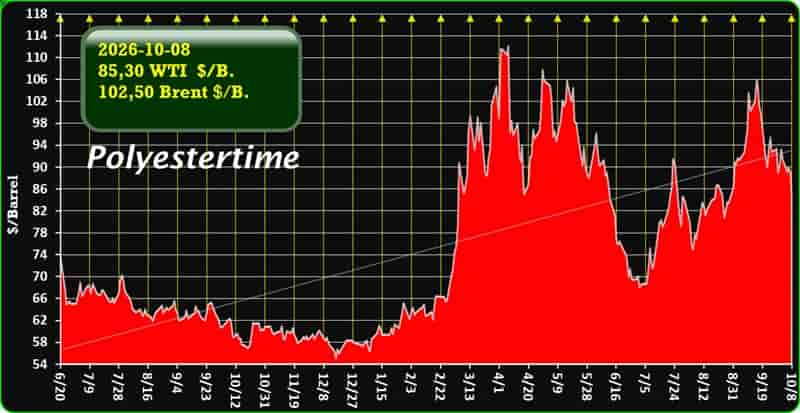
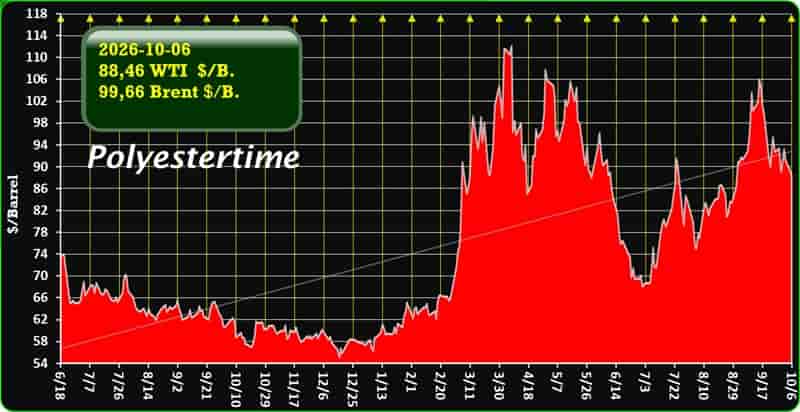
Oil Price Pressure as Brent Falls to $67.75 and WTI to $62.56 — Market Faces Geopolitical Shifts, Supply Surprises, Weak Demand Signals, and Investor Caution 18-02-2026
Global Oil Price Update: Brent Near $68, WTI Around $62 — Key Drivers and Outlook
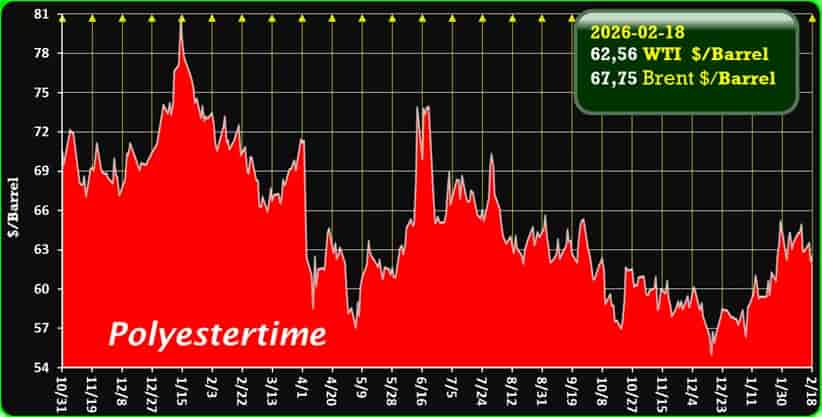
On February 18, 2026, global crude oil price benchmarks showed continued softness amid mixed signals from geopolitics and supply dynamics. Brent crude hovered around $67.75 per barrel, while West Texas Intermediate (WTI) traded near $62.56 per barrel — reflecting recent downward pressure in the market.
This article breaks down the latest price movements, the factors shaping today’s oil price environment, and what investors and global markets may expect in the short term.
📊 Oil Price Snapshot
| Benchmark | Price (Feb 18, 2026) | Trend Notes |
|---|---|---|
| Brent Crude | ~$67.75/bbl | Trading lower on easing geopolitical risk |
| WTI Crude | ~$62.56/bbl | Weakness persists amid oversupply and sentiment shifts |
Prices have dipped modestly from recent levels, influenced by ongoing developments in global supply and demand and geopolitical negotiations.
What’s Driving Today’s Oil Price Action?
1. Geopolitical Developments
Recent diplomatic engagement between the United States and Iran has eased some supply risk premiums in the oil market. In particular, talks in Geneva around Iran’s nuclear program and potential adjustments to enrichment activities helped calm markets — even as temporary disruptions occurred in strategic chokepoints like the Strait of Hormuz.
This easing of risk has reduced the urgency in prices, pushing both Brent and WTI slightly downward.
2. OPEC+ Actions and Supply Outlook
Markets remain alert to OPEC+ production plans. Signals that the group may consider incremental supply increases — such as discussions about boosting output starting April — have kept traders cautious. Anticipation of higher production, even modest amounts, tends to weigh on oil price support levels when demand appears uncertain.
Supply discipline remains a key watchpoint: any loosening typically expands crude availability and dampens prices unless demand growth is robust.
3. Demand Signals and Economic Data
Macroeconomic cues continue to influence energy demand expectations. Slowing producer and consumer inflation in major economies — partly enabled by cheaper petrol and energy costs — suggests softening consumption momentum. Lower input costs can benefit producers, but weaker demand prospects generally provide downward pressure on oil price.
Investors also track weekly inventory reports and broader consumption data from agencies like the EIA and API, as these statistics often signal whether crude balances lean toward surplus or deficit.
4. Investor Sentiment and Technical Drivers
Investor sentiment lately shows a notable dynamic: while oil markets like WTI have earlier been described as entering extreme buy territory, more recent price softness and technical indicators point to waning bullish conviction without clear catalysts.
Heightened trading volumes and shifts in open interest seen in crude futures underscore active repositioning by traders as sentiment oscillates between risk-on and risk-off states.
The Brent–WTI Spread and What It Means
Brent typically trades at a premium to WTI, reflecting its broader global consumption footprint and transportation complexities. Current price spread dynamics signal structural market nuances:
-
Wider spread can indicate regional oversupply in U.S. crude inventories
-
Narrower spread often reflects tighter global balances
Tracking this spread gives additional context to overall oil price sentiment.
Short-Term Outlook: What to Expect Next
Looking ahead, the oil price trajectory in the coming weeks will likely hinge on several key factors:
-
Geopolitical progress or setbacks: Renewed tensions in the Middle East or elsewhere could reintroduce risk premiums.
-
OPEC+ production decisions: Any firm commitments to higher supply will keep prices capped.
-
Demand data: Stronger consumption indicators (e.g., lower inventories, rising exports/imports) could add support.
-
Global economic sentiment: Broader risk appetite in equity and currency markets often correlates with energy demand expectations.
Forecast models for Brent and WTI suggest a modest range around current values through early 2026, with upward potential if demand firms or supply constraints emerge.
In the absence of major shocks, prices may continue to oscillate within a range near current levels. However, shifts in macroeconomic or geopolitical factors could push crude higher or lower rapidly.
What This Means for the Global Economy and Energy Markets
⚡ Consumers and Businesses: Lower oil price levels can translate into cheaper fuel and transport costs, easing inflationary pressures in many economies — a positive for households and cost-sensitive industries.
📉 Producers and Exporters: Countries heavily reliant on oil revenue may face tighter budgetary conditions if prices stay depressed, potentially slowing investment in energy infrastructure.
📈 Investors: Commodity portfolios may see increased volatility. Traders will likely remain sensitive to economic data releases, central bank moves, and geopolitical developments.
Overall, the evolving oil price story reflects a delicate balance of supply, demand, and risk sentiment — underlining the importance of monitoring both macroeconomic indicators and geopolitical events for future market direction.
More…