Oil Prices After Israel and US Attack on Iran: Escalation Risks Could Push Brent Above $100 Amid Strait of Hormuz Fears 28-02-2026
Oil Prices After the Israel and US Attack on Iran: What Happens Next?
The question dominating global energy markets is straightforward but complex: what will happen to oil prices after the Israel and US attack on Iran?
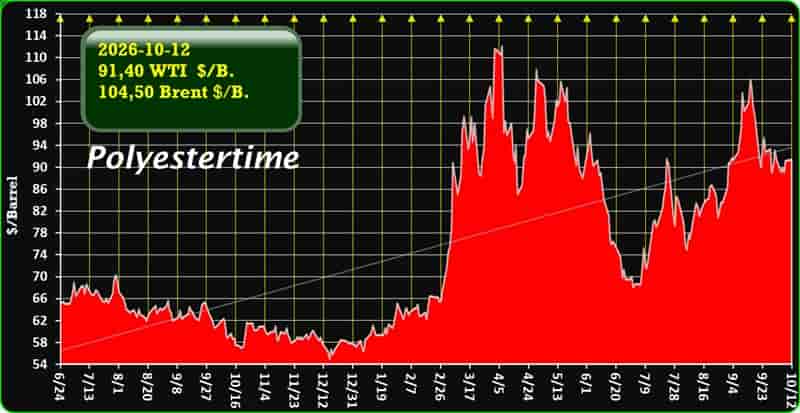
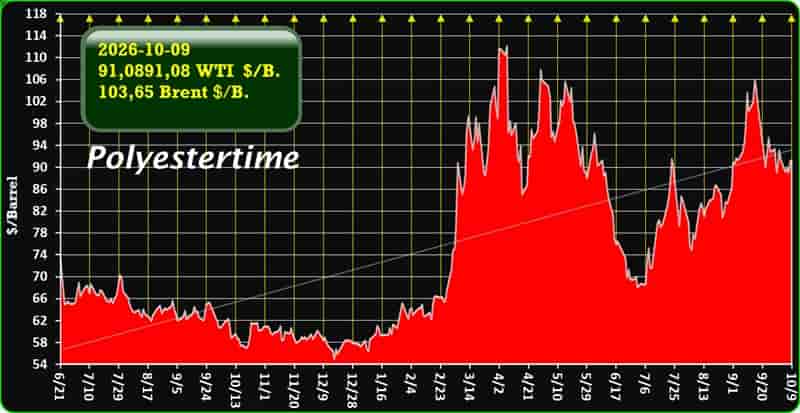
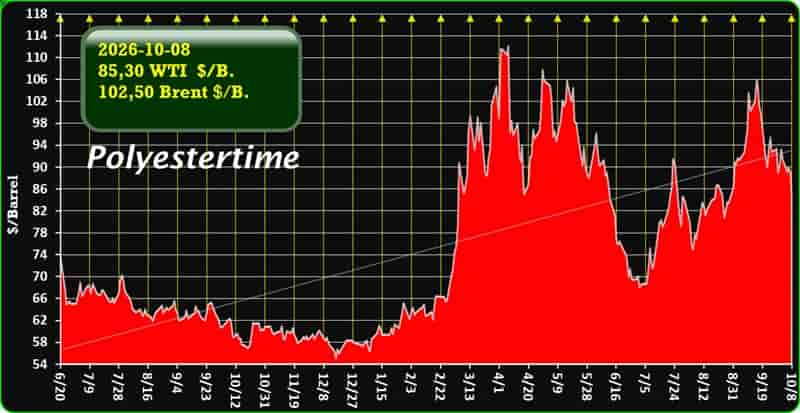
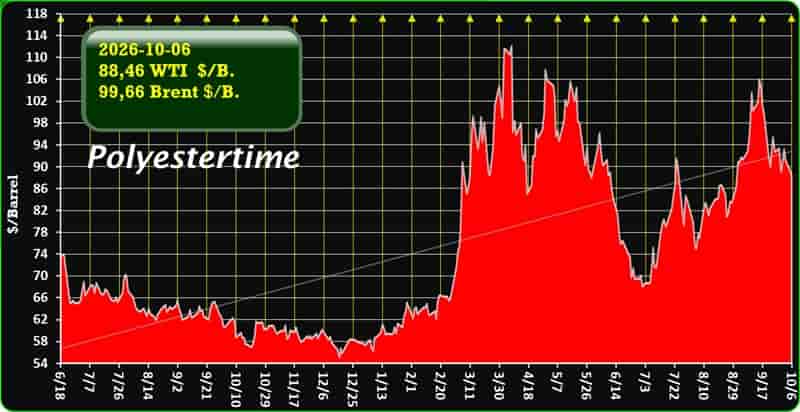
The answer depends almost entirely on Tehran’s response. While some analysts expect only a limited and temporary spike, others warn that oil prices could surge sharply if escalation affects exports, regional infrastructure, or shipping lanes. Brent crude, currently trading around $61 per barrel, could move significantly higher. A moderate increase of $5–10 per barrel is widely seen as plausible. However, in a severe disruption scenario, Brent could rise above $100 per barrel. oil prices after the Israel and US attack on Iran
At the center of the debate is geopolitical risk — and how markets price uncertainty.
OPEC’s Dilemma in a Fragile Geopolitical Context
Before the attack on Iran, attention was focused on OPEC’s upcoming meeting. Market expectations suggested the group was preparing a modest production increase of around 137,000 barrels per day to stabilize supply and calm volatility.
Now, the situation has changed.
Reports indicate that OPEC may consider a larger output increase in response to heightened geopolitical tensions. The organization faces a delicate balance:
-
Increase production to offset risk and calm markets
-
Maintain production discipline to support prices amid uncertainty
In short, oil prices after the Israel and US attack on Iran will also depend on whether OPEC prioritizes market stability or price support. oil prices after the Israel and US attack on Iran
The Vienna-based group must navigate a complex environment where additional barrels could reassure traders — but overproduction risks undermining internal cohesion.
Why Iranian Oil Supply Matters
Despite years of sanctions, Iran remains a significant oil producer. Current output stands at approximately 3.3–3.5 million barrels per day, representing around 3% of global supply.
Even more critical is geography.
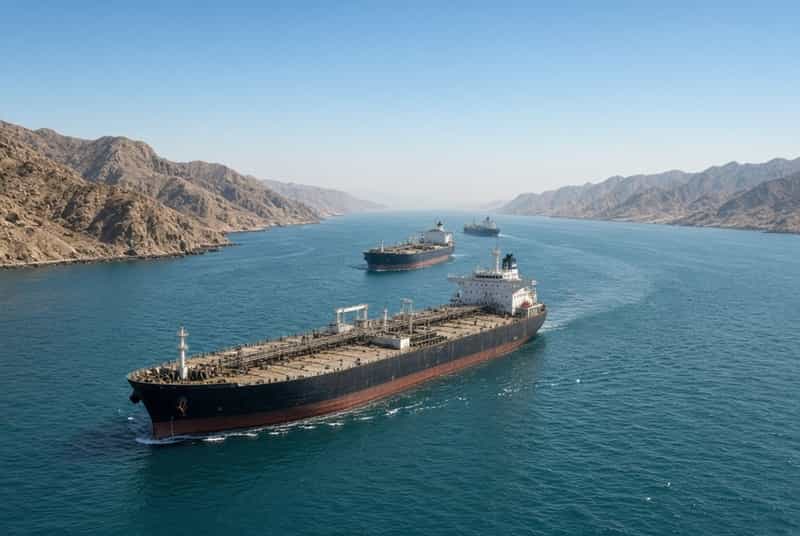
Iran controls access to the Strait of Hormuz, the narrow maritime chokepoint through which roughly one-fifth of global oil flows. Any threat to shipping in this corridor would immediately influence oil prices.
Iran’s export system is concentrated at Kharg Island, its primary crude loading terminal. A disruption there would quickly impact global export data and supply balances. oil prices after the Israel and US attack on Iran
Recent tanker tracking data shows that Iranian exports had increased prior to the attack, suggesting that Tehran anticipated potential escalation and sought to maximize shipments in advance.
At the same time, Saudi Arabia reportedly boosted production and exports as a precautionary move to mitigate potential supply shocks.
Infrastructure Vulnerabilities in Khuzestan
Iran’s southwestern Khuzestan province is the backbone of its oil production. The region includes major fields such as Ahvaz, which produces between 750,000 and 1 million barrels per day.
While oil wells themselves are relatively resilient, analysts emphasize that processing plants, pipelines, and storage facilities represent more fragile bottlenecks. These components are harder to repair quickly if damaged.
A destabilization of Khuzestan — even without direct strikes on wells — could therefore disrupt flows and push oil prices higher. oil prices after the Israel and US attack on Iran
This infrastructure vulnerability is central to any realistic assessment of oil prices after the Israel and US attack on Iran.
How Iran Could Influence Oil Prices Without Direct Conflict
Market participants broadly agree that Iran’s response matters more than the initial attack.
Tehran has several indirect tools to influence oil prices:
1. Strait of Hormuz Disruption
Even limited threats to shipping can raise tanker insurance premiums, delay cargoes, and effectively reduce supply without eliminating production.
Iran has never fully blocked the strait. Doing so would severely damage its own economy, particularly because China imports more than 80% of Iranian oil exports and depends heavily on Gulf energy supplies.
A full closure remains unlikely, but heightened tension alone can elevate oil prices significantly.
2. Proxy Network Disruptions
Since 2023, the Houthis in Yemen have demonstrated the ability to disrupt maritime traffic in the Red Sea, a corridor handling approximately 12% of global trade. oil prices after the Israel and US attack on Iran
Expanded regional disruptions could compound shipping risks and intensify the geopolitical risk premium embedded in oil prices.
Three Scenarios for Oil Prices
Wall Street analysis currently converges around three broad scenarios regarding oil prices after the Israel and US attack on Iran.
Baseline Scenario: Limited Escalation
-
No direct damage to oil infrastructure
-
Shipping lanes remain open
-
Exports continue normally
In this case, oil prices may spike briefly before stabilizing and gradually declining. Markets have repeatedly followed this pattern during past geopolitical crises where physical supply remained intact.
Escalation Scenario: Export Disruption
-
Partial loss of Iranian exports
-
Strikes affecting regional infrastructure
-
Heightened shipping insurance costs
Under this scenario, Brent crude could rise materially above current levels, potentially into the $80–$90 range.
Severe Scenario: Strait of Hormuz Crisis
-
Sustained disruption of maritime traffic
-
Significant supply bottlenecks
-
Regional infrastructure damage
In a worst-case environment, analysts estimate oil prices could exceed $100 per barrel. Such a surge would not only impact energy markets but also global inflation, monetary policy, and economic growth.
How Markets Are Pricing Risk Today
Currently, oil markets appear to be incorporating a risk premium of approximately $5–10 per barrel.
This suggests that traders view disruption as possible but not yet imminent.
The trajectory of oil prices after the Israel and US attack on Iran will depend on several measurable indicators:
-
Tanker traffic volumes through the Strait of Hormuz
-
Export data from Kharg Island
-
Statements from OPEC members
-
Insurance rates for Gulf shipping routes
Financial markets are highly responsive to real-time developments in these areas.
What This Means for Global Energy Markets
Oil prices influence far more than the energy sector. A sustained surge would affect:
-
Gasoline and diesel prices
-
Inflation trajectories in the US and Europe oil prices after the Israel and US attack on Iran
-
Central bank interest rate decisions
-
Emerging market stability
If Brent were to move above $100, the macroeconomic consequences would extend well beyond the Middle East. oil prices after the Israel and US attack on Iran
For now, however, markets remain in watch-and-wait mode.
Conclusion: Escalation Risk Is the Key Variable
Oil prices after the Israel and US attack on Iran hinge on escalation dynamics, not the strike itself.
If infrastructure and shipping lanes remain intact, price increases may prove temporary. But if tensions expand to disrupt exports or threaten the Strait of Hormuz, energy markets could enter a new volatility regime.
In the short term, a moderate increase of $5–10 per barrel appears most likely. The extreme scenario — Brent above $100 — remains possible but contingent on sustained disruption.
Investors, policymakers, and consumers should monitor geopolitical developments closely. In energy markets, perception of risk often moves prices as much as physical supply itself.
More…