Oil price surges above $100 as geopolitical tensions disrupt supply and rattle markets: what rising crude costs mean for the global economy
Oil price surge above $100: what’s driving crude markets in March 2026
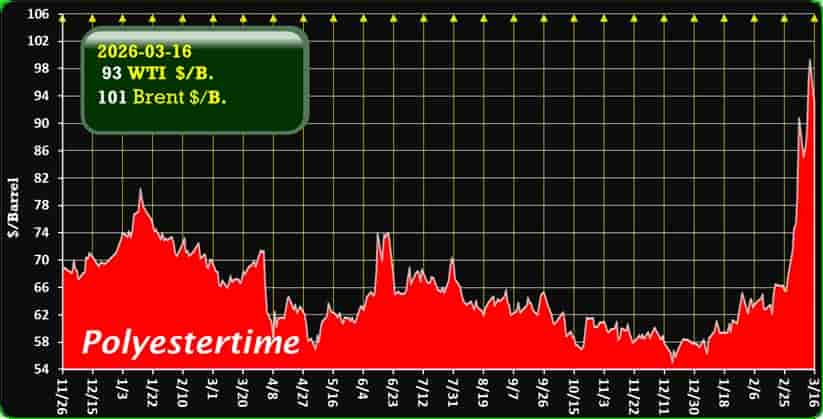
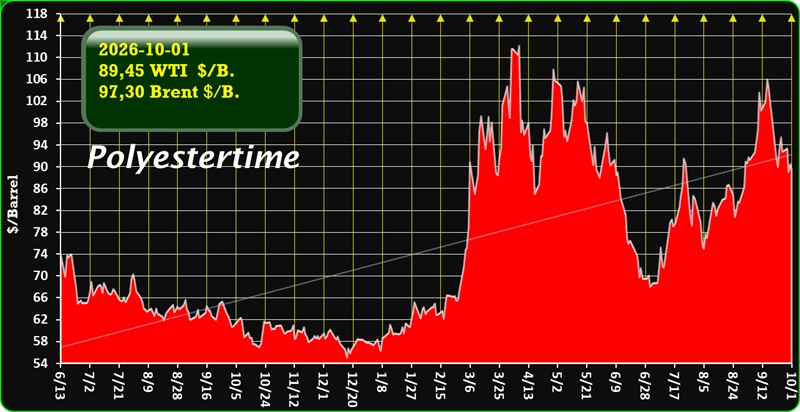
The oil price has surged sharply in March 2026, with both major crude benchmarks trading firmly above the psychological $100 per barrel level. Brent crude, the global benchmark, is currently fluctuating between $100 and $110 per barrel, while WTI crude is trading around $95–$105 per barrel, reflecting strong upward pressure across global energy markets.
This sudden rise in the oil price has been largely driven by escalating geopolitical tensions in the Middle East, concerns over global supply disruptions, and heightened investor anxiety about the stability of key energy shipping routes.
Current crude price levels (March 16, 2026)
| Benchmark | Price Range | Market Role |
|---|---|---|
| Brent Crude | $100 – $110 per barrel | Global benchmark used in Europe, Africa and Asia |
| WTI Crude | $95 – $105 per barrel | US benchmark linked to domestic production |
| Monthly trend | Up more than 40–50% in recent weeks | Driven mainly by geopolitical risk |
Recent market data shows Brent trading around $105 per barrel, while U.S. crude climbed above $100, highlighting the strong risk premium currently embedded in the oil price.
Geopolitical tensions dominate the oil price outlook
The most important driver behind the current oil price rally is the escalating conflict involving Iran and Western allies. Recent airstrikes targeting Iran’s Kharg Island oil export hub, through which roughly 90% of Iranian crude exports pass, have raised fears of a major disruption to global supply.
Energy markets reacted immediately. Brent crude jumped nearly 2% to about $105 per barrel after the strikes, as traders priced in the possibility of further disruptions.
At the same time, tensions around the Strait of Hormuz—one of the world’s most critical oil chokepoints—are adding additional pressure. Approximately 20% of global oil shipments move through this narrow passage, meaning any disruption can send the oil price sharply higher.
Analysts warn that if shipping through the strait remains restricted or military activity intensifies, the oil price could rise significantly in the short term.
Supply disruptions reshape the global oil market
Beyond geopolitical tensions, the oil price is also responding to real supply risks across global energy markets.
Several factors are currently tightening supply:
-
Potential damage to Iranian export infrastructure
-
Disruption of tanker traffic in the Persian Gulf
-
Strategic reserve releases by governments
-
Military escorts being considered for oil tankers
The International Energy Agency has already begun releasing emergency oil reserves in an attempt to stabilize the market and prevent further price spikes.
Despite these interventions, analysts believe the oil price remains vulnerable to sudden moves because supply shocks can add $5 to $20 per barrel within days during geopolitical crises.
The role of OPEC+ and global demand
While geopolitics currently dominates headlines, structural factors in the oil market also influence the oil price trend.
OPEC+ production strategy remains a key variable. The group continues to manage supply carefully to balance global markets, while non-OPEC production growth—especially from the United States—adds complexity to the outlook.
At the same time, global demand remains resilient, particularly in emerging economies.
Key demand drivers include:
| Demand Factor | Impact on Crude Price |
|---|---|
| Economic recovery in Asia | Strong consumption growth |
| Air travel rebound | Increased jet fuel demand |
| Industrial activity | Higher energy consumption |
| Strategic stockpiling | Additional buying pressure |
OPEC has previously forecast continued growth in global oil demand, suggesting the market may remain structurally tight if supply disruptions persist.
Investor sentiment and market volatility
Investor sentiment is currently extremely sensitive to geopolitical developments, making the oil price highly volatile.
Financial markets are reacting to each new development in the Middle East conflict, with oil prices fluctuating sharply during trading sessions.
Energy traders are particularly focused on three indicators:
-
Military developments around Iran
-
Shipping activity through the Strait of Hormuz
-
Policy responses from major oil producers
This uncertainty has created a strong “war risk premium” in the oil price, meaning traders are willing to pay higher prices due to the perceived risk of supply shortages.
Short-term oil price outlook
Looking ahead, the oil price outlook for the coming weeks will largely depend on geopolitical developments.
Three scenarios could shape the next phase of the market:
| Scenario | Possible Crude Price Impact |
|---|---|
| De-escalation of conflict | Brent may fall back toward $90 |
| Continued tensions | Brent likely stays near $100 |
| Major supply disruption | Brent could exceed $120 |
If the Strait of Hormuz remains under threat or additional oil infrastructure is targeted, analysts warn that the oil price could climb further.
Conversely, diplomatic breakthroughs or increased supply from major producers could ease market pressure.
What rising crude prices mean for the global economy
A sustained rise in the oil price carries significant implications for the global economy.
Higher crude costs typically translate into:
-
Increased fuel prices
-
Higher transportation and logistics costs
-
Rising inflation pressures
-
Slower economic growth in energy-importing countries
For energy producers, however, the current oil price environment represents a major revenue boost.
Conclusion
The oil price trend in March 2026 reflects a market dominated by geopolitical risk and supply uncertainty. With Brent crude trading above $100 and WTI approaching similar levels, energy markets are navigating one of the most volatile periods in recent years.
In the short term, the direction of the oil price will depend largely on developments in the Middle East and the stability of global supply routes. If tensions persist, the oil market may remain elevated—and volatile—well into the coming months.
Oil price surge above $100 signals rising global energy tension as Middle East disruptions tighten supply and drive renewed volatility in crude markets
More…