Europe rPET Flake Demand Rises as PET Prices Surge and Volumes Drop: 5 Warning Signs
Europe rPET flake demand gains momentum as virgin PET costs climb
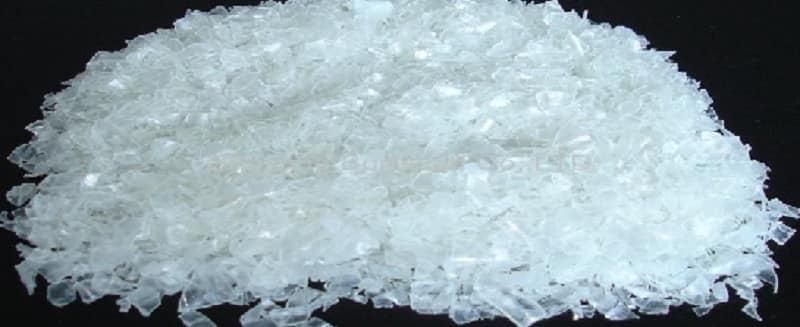
Europe rPET flake demand is moving higher as buyers react to a firmer virgin PET market, thinner spot volumes, and growing pressure to secure compliant recycled content. In practical terms, converters and packaging producers are showing more interest in recycled flake when virgin resin becomes less attractive on cost visibility, procurement risk, or sustainability targets. That shift matters because rPET flakes sit at the center of the European bottle-to-bottle recycling chain and often signal broader trends across the recycled plastics market.
The main driver behind stronger Europe rPET flake demand is the renewed rise in virgin PET pricing. Feedstock costs, particularly paraxylene and purified terephthalic acid, have fluctuated alongside energy markets, creating upward pressure on resin prices in several European markets. When virgin PET becomes more expensive or less predictable, packaging converters often revisit recycled options to stabilize procurement strategies.
At the same time, lower trading volumes suggest the broader PET market is cautious rather than booming. Buyers are focusing on essential purchases and limiting spot activity. In this environment, recycled materials gain strategic value because they help companies maintain supply flexibility while also supporting sustainability commitments.
Europe rPET flake demand is also supported by regulatory pressure across the European Union. Beverage packaging producers must comply with recycled-content targets that require PET bottles to contain increasing levels of recycled plastic. These regulatory targets push companies to secure stable supplies of recycled material well ahead of compliance deadlines.
For brand owners and beverage producers, recycled PET is no longer simply a sustainability choice but a regulatory necessity. This structural demand provides underlying support for Europe rPET flake demand even during periods when the wider plastics market slows.
Another factor influencing Europe rPET flake demand is traceability and compliance quality. European authorities are paying closer attention to the origin of recycled material used to meet recycled-content targets. This has increased the value of locally processed recycling streams that can clearly demonstrate compliance with European environmental regulations.
As a result, buyers increasingly prioritize reliable European rPET supply chains over lower-cost alternatives that might not meet regulatory requirements. Procurement teams are balancing price considerations with the need for regulatory certainty and sustainability reporting.
Despite improving interest in recycled material, the market still faces several supply challenges. Bottle collection volumes remain inconsistent across Europe due to varying deposit systems, consumption trends, and seasonal demand patterns. Lower feedstock availability can restrict recycling output, which in turn tightens supply in the rPET flake market.
At the same time, recyclers must compete with imports of recycled pellets and flakes from outside Europe. These imports sometimes enter the market at lower prices, creating additional pressure on domestic recyclers already facing high operating costs.
For recycling companies, stronger Europe rPET flake demand offers partial relief but does not eliminate margin pressure. Many plants continue to operate in a challenging environment where energy costs, feedstock prices, and competitive imports affect profitability.
Nevertheless, demand from beverage packaging and food-grade applications remains the most stable pillar of the market. Bottle-to-bottle recycling continues to dominate rPET consumption, particularly as major beverage brands expand their recycled-content commitments.
Looking ahead, Europe rPET flake demand is expected to remain resilient through 2026 as regulatory targets approach and sustainability commitments from major brands intensify. However, the overall market will likely remain cautious unless consumer demand for packaged beverages improves and recyclers achieve better cost recovery.
The most likely scenario is a market characterized by selective buying, firm interest in compliant recycled material, and ongoing pressure on margins. In this environment, Europe rPET flake demand will continue to act as a key indicator for the health of the European plastics recycling sector.
More…