US Iran Negotiations Escalate Tensions as Five Restrictions Challenge Fragile Diplomatic Momentum
US Iran negotiations enter a critical and uncertain phase
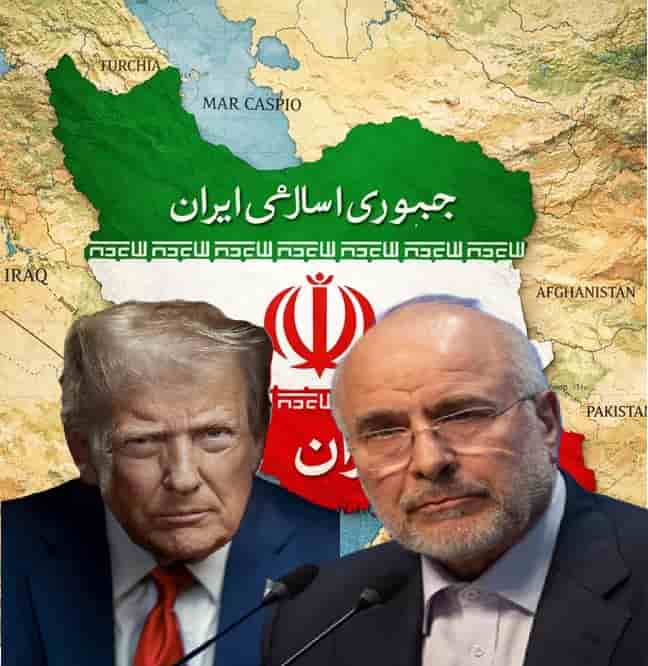
The latest developments in US Iran negotiations reveal a highly volatile diplomatic environment, where progress and escalation appear to unfold simultaneously. Washington and Tehran are exchanging proposals, warnings, and strategic signals, creating a complex geopolitical landscape that could shift rapidly in the coming days.
At the center of the crisis is a comprehensive American proposal aimed at de-escalating tensions while restructuring key aspects of Iran’s military and nuclear capabilities. However, Iran has firmly rejected the plan, describing it as excessive, and has instead introduced five counter-conditions that significantly reshape the negotiation framework.
The US proposal and its strategic objectives
The American plan, reportedly structured around fifteen points, seeks to address multiple strategic concerns. These include the dismantling of Iran’s nuclear program, guarantees for free navigation through the Strait of Hormuz, and broader regional stability measures.
In return, the United States has indicated a willingness to lift economic sanctions, offering Iran a potential path toward economic recovery. Notably, the proposal also suggests a partial compromise on Iran’s missile program, allowing its continuation under limitations related to range and quantity.
Within the broader context of US Iran negotiations, this proposal represents an attempt to balance pressure with incentives. Washington aims to achieve long-term security guarantees while avoiding a prolonged military conflict in the region.
Tehran’s response reshapes the negotiation landscape
Iran’s rejection of the American proposal marks a decisive moment in the ongoing US Iran negotiations. Rather than accepting the framework, Tehran has advanced a counterproposal built on five core conditions.
These include an immediate cessation of attacks and targeted assassinations, formal guarantees against future conflicts, financial compensation for war-related damages, an end to hostilities involving allied groups across multiple fronts, and recognition of Iran’s authority over the Strait of Hormuz.
This counterproposal underscores Iran’s strategic priorities, particularly its insistence on maintaining influence over critical maritime routes and securing long-term sovereignty assurances. It also reflects deep mistrust toward Washington’s intentions, especially following recent military actions.
Military pressure intensifies alongside diplomatic efforts
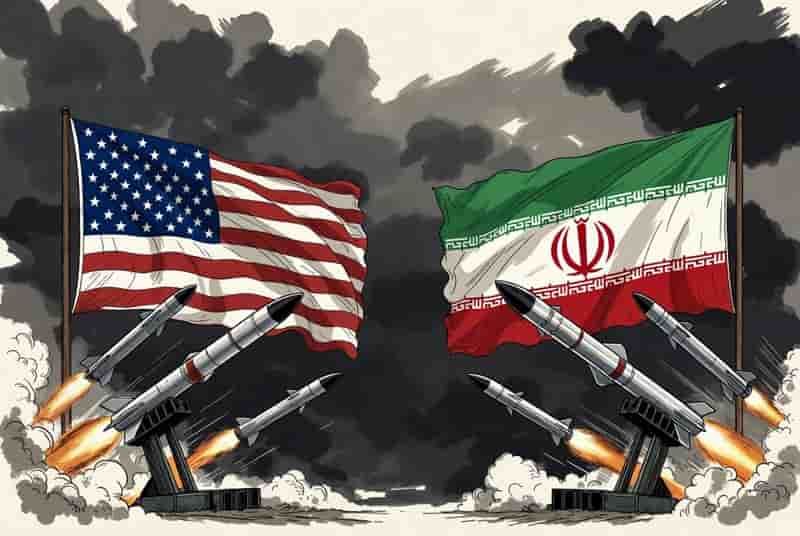
While US Iran negotiations continue, military developments are adding significant pressure to the diplomatic process. Reports indicate an increase in American troop deployments in the region, including thousands of reinforcements and specialized units such as paratroopers.
These forces could potentially be used for strategic operations targeting key Iranian assets, including Kharg Island, a central hub for Iran’s oil exports, or securing control over the Strait of Hormuz by neutralizing coastal missile systems.
Iranian officials have responded with strong warnings, signaling readiness to counter any perceived aggression. Statements from senior leadership emphasize close monitoring of US military movements and suggest the possibility of opening new strategic fronts, including in the Bab el-Mandab Strait.
This dual-track approach—combining diplomacy with military positioning—highlights the high-stakes nature of current US Iran negotiations.
Political rhetoric raises the stakes further
The tone of public communication from both sides has contributed to rising tensions. The United States has issued strong warnings, with leadership signaling readiness to take decisive action if negotiations fail. This rhetoric is intended to reinforce credibility and deter Iranian resistance.
On the Iranian side, officials have dismissed American threats, portraying Washington as strategically weakened and internally divided. This narrative aims to project confidence domestically while undermining US leverage in the negotiations.
Such conflicting messaging complicates US Iran negotiations by increasing the risk of miscalculation. Diplomatic progress becomes more fragile when public statements escalate expectations and limit room for compromise.
Mediation efforts aim to create diplomatic openings
Despite the tensions, regional actors are actively working to facilitate dialogue. Pakistan has emerged as a potential host for high-level talks, with Turkey also considered as an alternative venue.
The objective is to initiate formal discussions, even if indirect, to establish a structured negotiation process. Early indications suggest cautious optimism among mediators, who believe a breakthrough may still be achievable.
However, disagreements over negotiation participants present an additional challenge. Iranian leadership has expressed reluctance to engage with certain American representatives, favoring alternative figures perceived as more aligned with diplomatic engagement.
This dynamic adds another layer of complexity to US Iran negotiations, where not only the content but also the structure of talks remains contested.
Regional implications and strategic calculations
The outcome of US Iran negotiations carries significant implications for the broader Middle East. Control over strategic waterways such as the Strait of Hormuz and Bab el-Mandab remains a central concern for global energy markets and international trade.
At the same time, Israel is closely monitoring developments, with reports suggesting increased military readiness aimed at weakening Iran’s defense and weapons infrastructure before any potential agreement is reached.
This reflects a broader strategic calculation: shaping the balance of power before diplomatic outcomes solidify. Such actions could influence negotiation dynamics by altering the relative positions of the parties involved.
A fragile path forward for US Iran negotiations
The current phase of US Iran negotiations illustrates a delicate balance between confrontation and cooperation. While both sides appear willing to engage, their positions remain fundamentally divergent on key issues.
The coming days will be critical in determining whether diplomacy can prevail over escalation. The possibility of a negotiated settlement still exists, but it depends on the ability of both parties to bridge deep strategic and political divides.
For now, US Iran negotiations remain suspended between opportunity and risk, with global attention focused on whether dialogue can prevent a broader regional conflict.
Iran Conflict Drives 7 Key Risks for Rising Global Resin Prices
More…