Global Plastics Crisis Deepens as 5 Strait of Hormuz Disruptions Intensify
Strait of Hormuz plastics prices
Global supply shock reshapes plastics markets
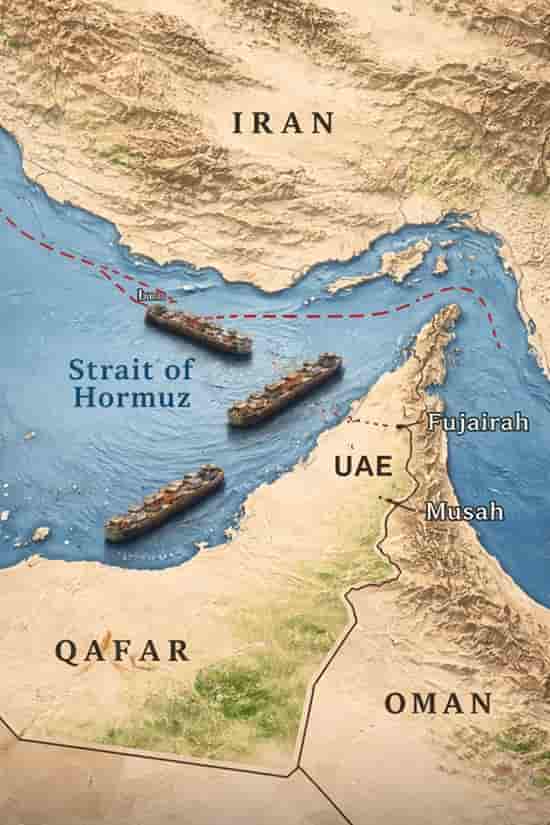
The rapid escalation of Strait of Hormuz plastics prices is sending shockwaves across global supply chains, forcing manufacturers to reassess sourcing strategies and absorb rising costs. As disruptions linked to geopolitical tensions continue to affect oil and petrochemical shipments, the availability of critical raw materials has tightened significantly.
Each year, an estimated 20 to 25 billion dollars’ worth of petrochemicals passes through this strategic waterway. With flows now constrained, buyers are scrambling to secure alternative supply sources, often at much higher prices. This imbalance between supply and demand is accelerating the upward trend in Strait of Hormuz plastics prices, pushing them to multi-year highs.
The consequences are not limited to raw material shortages. The ripple effects are spreading across industries, from packaging to automotive manufacturing, amplifying cost pressures throughout the global economy.
Middle East dominance amplifies the impact
The severity of the current crisis is closely tied to the Middle East’s dominant position in plastics production. In 2025, the region accounted for more than 40 percent of global polyethylene exports, making it a critical supplier for markets worldwide.
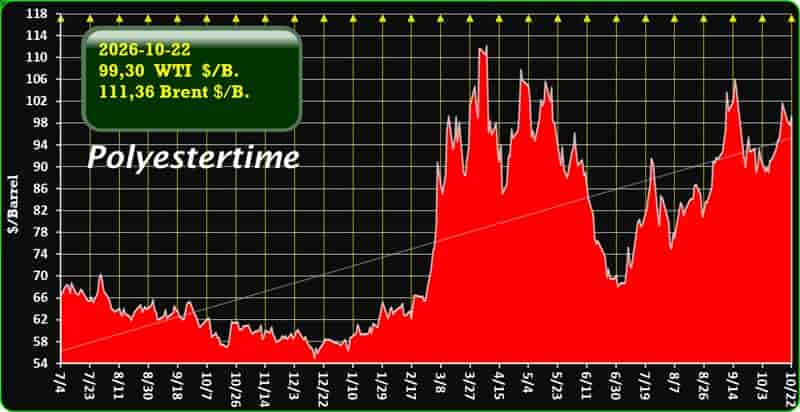
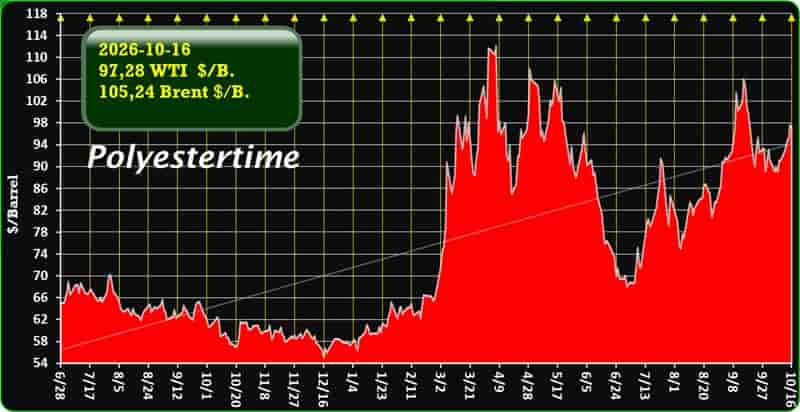
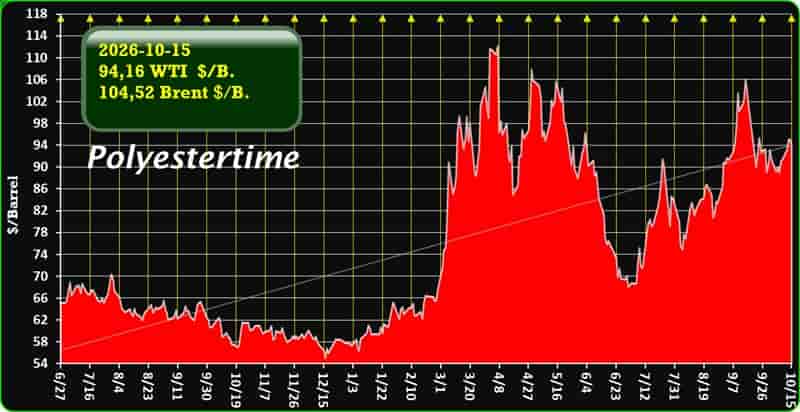
As shipments decline, the impact on Strait of Hormuz plastics prices becomes even more pronounced. Key materials such as polyethylene and polypropylene are experiencing sharp price increases, driven by both reduced availability and higher feedstock costs linked to crude oil volatility.
Market benchmarks reflect this trend clearly. On major exchanges such as China’s Dalian Commodity Exchange, plastics prices have surged by nearly 40 percent since late February. This rapid escalation underscores how sensitive the market is to disruptions in a single geographic chokepoint.
Feedstock constraints intensify the crisis
Beyond finished plastics, the disruption is also affecting upstream inputs. Analysts warn that as much as 1.2 million barrels per day of naphtha flows could be impacted. Naphtha is a critical feedstock in plastics production, meaning any constraint directly influences output capacity.
This tightening of feedstock availability is further accelerating Strait of Hormuz plastics prices. At the same time, refining margins in Asia have reached record levels, reflecting both supply scarcity and increased geopolitical risk premiums.
The combined effect is a cascading disruption across the entire petrochemical value chain. Producers are facing higher input costs, while downstream industries are dealing with reduced material availability and rising procurement expenses.
Regional disparities create uneven outcomes
The impact of rising Strait of Hormuz plastics prices is not uniform across regions. Asia is particularly vulnerable due to its heavy reliance on imported feedstocks. Countries such as Japan, South Korea, and India are experiencing significant cost pressures, forcing manufacturers to either absorb losses or pass costs onto consumers.
Europe is facing a similarly challenging environment. Producers are caught between rising input costs and limited pricing power, especially in competitive markets where demand remains fragile. This dynamic is compressing margins and increasing financial strain across the sector.
In contrast, North America is emerging as a relative beneficiary. With access to abundant domestic feedstocks such as natural gas, U.S. producers are less exposed to supply disruptions. As global prices rise, these companies are seeing stronger demand and improved profitability, highlighting a clear geographic advantage.
Cost pressures reach consumers
As Strait of Hormuz plastics prices continue to climb, the effects are increasingly visible at the consumer level. Manufacturers across the United States and Europe have already announced price increases for a wide range of chemical products.
Downstream industries are also beginning to feel the strain. In India, for example, rising petrochemical costs have contributed to higher bottled water prices, illustrating how supply chain disruptions can translate into everyday inflation.
This trend is likely to accelerate if disruptions persist. As companies pass on higher costs, consumers may face broader price increases across packaged goods, construction materials, and consumer products.
Structural shifts in the plastics industry
The sustained rise in Strait of Hormuz plastics prices could trigger long-term structural changes within the industry. Analysts expect increased consolidation as smaller, higher-cost producers struggle to compete in a volatile market environment.
Larger players with diversified supply chains and access to cheaper feedstocks are likely to gain market share. This shift could lead to a more concentrated industry landscape, with production increasingly dominated by a smaller number of global leaders.
At the same time, companies may accelerate efforts to diversify sourcing strategies and invest in alternative materials. While these adjustments will take time, they reflect a broader recognition that reliance on a single geopolitical chokepoint carries significant risks.
Outlook remains uncertain
The future trajectory of Strait of Hormuz plastics prices will largely depend on the duration and severity of current disruptions. If supply constraints persist, further price increases and inflationary pressures are likely.
Markets are also watching closely for any escalation in geopolitical tensions, which could exacerbate existing challenges. In the meantime, manufacturers, traders, and policymakers are navigating an increasingly complex environment marked by uncertainty and volatility.
What is clear is that the current crisis has highlighted the fragility of global supply chains. The Strait of Hormuz remains a critical artery for the petrochemical industry, and any disruption to its flow has far-reaching consequences for markets worldwide.
Strait of Hormuz Agreement Sparks Urgent Global Energy Stability Concerns 6 Nations Respond
More…