Plastic Prices Surge Amid Global Supply Disruptions
Dow polyethylene prices
Plastic price shock intensifies as Dow raises polyethylene costs sharply amid Strait of Hormuz disruption, squeezing global supply chains and packaging industries
Plastic Prices Surge Amid Global Supply Disruptions
Global plastic markets are entering a period of sharp volatility as geopolitical tensions ripple through energy and petrochemical supply chains. In April 2026, Dow Inc announced a significant increase in polyethylene prices—raising them by 30 cents per pound in April and planning an additional 20 cents per pound increase in May.
These moves reflect deeper structural disruptions tied to the ongoing crisis in the Strait of Hormuz, a critical artery for global energy and chemical feedstocks. Dow polyethylene prices
Why Plastic Prices Are Rising Fast
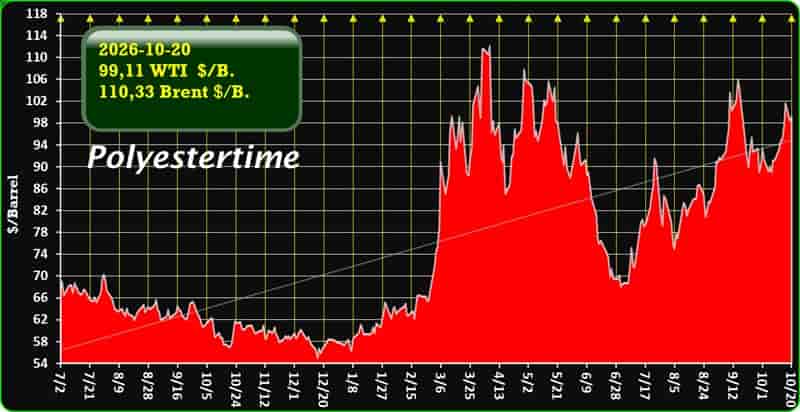
At the heart of the surge is the disruption of transportation through the Strait of Hormuz, a chokepoint that handles a substantial share of global oil and petrochemical flows. Recent tensions have reduced shipping activity and created uncertainty across supply chains.
This disruption has triggered a chain reaction:
- Rising crude oil prices
- Increased costs for naphtha, a key plastic feedstock
- Reduced availability of petrochemical inputs
- Supply-demand imbalances in global resin markets Dow polyethylene prices
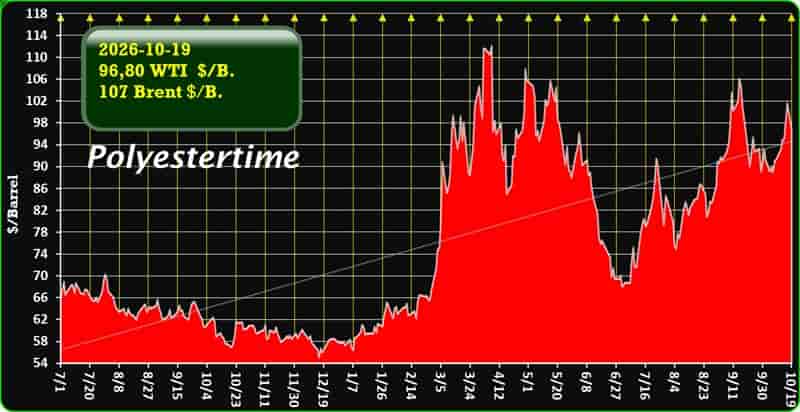
Oil prices alone have surged sharply in recent days due to the instability, amplifying cost pressures across downstream industries.
Dow’s Price Increase: A Market Signal
Dow’s pricing decisions are not isolated—they are a clear signal of broader stress in the plastics market.
Polyethylene Price Changes (2026)
| Month | Price Increase | Cumulative Impact |
|---|---|---|
| April | +$0.30/lb | Significant jump (~60%) |
| May (planned) | +$0.20/lb | Further escalation |
| Total | +$0.50/lb | Sharp cost surge |
According to company statements, the Middle East conflict has impacted around 50% of global ethylene and polyethylene production capacity, severely tightening supply.
This level of disruption is rare and explains the unusually aggressive pricing adjustments.
The Role of Naphtha and Feedstock Inflation
Polyethylene production depends heavily on petrochemical feedstocks like naphtha and ethane. As shipping disruptions restrict supply, naphtha prices have surged, directly increasing production costs for plastics manufacturers. Dow polyethylene prices
Key Input Chain
| Stage | Material | Impact |
|---|---|---|
| Upstream | Crude oil | Price volatility |
| Midstream | Naphtha | Cost inflation |
| Downstream | Polyethylene | Price hikes |
This cascading effect highlights how energy geopolitics quickly translate into industrial inflation.
Impact on U.S. and Global Packaging Industry
In the United States, plastic packaging suppliers are already feeling the pressure. Many companies report:
- Rising raw material costs
- Higher transportation expenses
- Reduced margins
- Need to pass costs to customers
Some packaging firms have confirmed they can no longer absorb these increases, forcing price adjustments across food, agriculture, and consumer goods sectors.
This trend is likely to feed into broader inflation, particularly in everyday consumer products.
Supply Chain Breakdown: A System Under Stress
The current crisis illustrates how fragile global supply chains remain. The Strait of Hormuz alone accounts for roughly 20% of global oil flows, making it a critical vulnerability. Dow polyethylene prices
When disruptions occur:
- Shipping slows or halts
- Feedstock supply tightens
- Production capacity drops
- Prices surge globally
Dow executives have warned that these disruptions could persist throughout 2026, suggesting that price volatility may not be short-lived.
Winners and Losers in the Market
Interestingly, not all players are equally affected. Dow polyethylene prices
Potential Winners
- North American producers with stable feedstocks
- Companies with long-term supply contracts
- Integrated petrochemical firms
Most Exposed
- Packaging manufacturers
- Import-dependent regions
- Small and mid-sized converters
Even so, analysts caution that sustained price increases could eventually dampen demand if costs rise too far.
What Happens Next?
The trajectory of plastic prices will largely depend on geopolitical developments in the Middle East. Key variables include:
- Reopening of the Strait of Hormuz
- Stabilization of oil markets
- Recovery of petrochemical production capacity Dow polyethylene prices
For now, uncertainty remains high. Oil markets continue to react sharply to developments, and any prolonged disruption could keep plastic prices elevated.
Key Takeaways for Businesses
- Polyethylene prices are rising rapidly due to supply shocks Dow polyethylene prices
- Feedstock inflation (especially naphtha) is the main driver
- Supply chain disruptions are affecting half of global capacity
- Cost pressures are spreading to packaging and consumer goods
- Volatility is likely to continue through 2026
Conclusion
The surge in plastic prices is more than a temporary market fluctuation—it reflects a deep and ongoing disruption in the global petrochemical ecosystem. Dow’s aggressive pricing moves highlight how quickly geopolitical risks can reshape industrial economics.
For businesses and consumers alike, the message is clear: plastic—and the products that depend on it—may remain significantly more expensive in the months ahead. Dow polyethylene prices
More…