Oil Prices Surge Amid US-Iran Conflict: Why Brent and WTI Remain Highly Volatile
Oil Prices Surge Amid US-Iran Conflict as Brent Holds Above $90
Global Oil Prices React to Rising US-Iran Geopolitical Risks
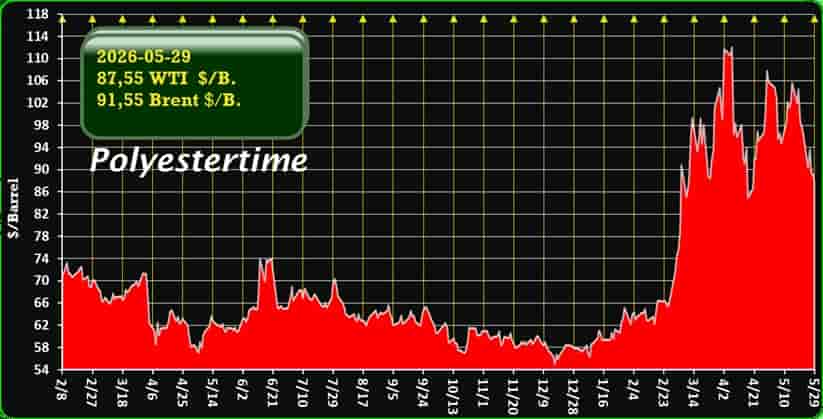
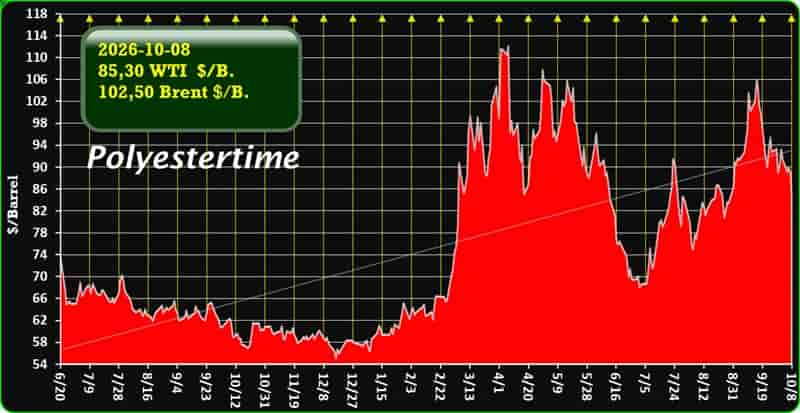
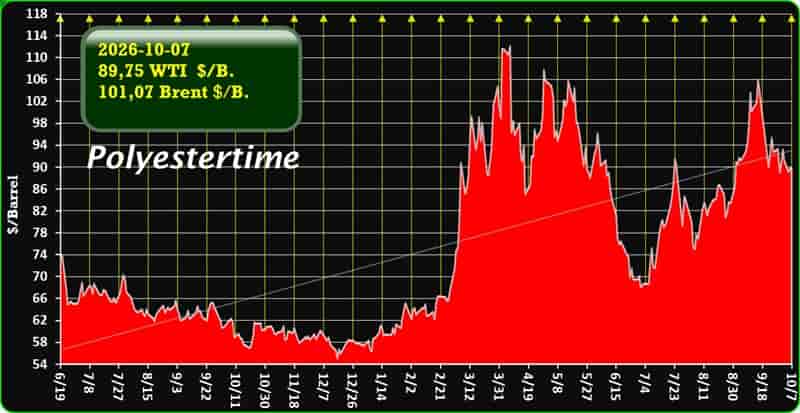
Oil prices remain highly volatile as traders react to the evolving conflict between the United States and Iran. Brent crude is currently trading near $91 per barrel, while West Texas Intermediate (WTI) remains around $87 per barrel.
The market continues to price in geopolitical uncertainty, especially surrounding the Strait of Hormuz, one of the world’s most important oil shipping routes. Any disruption in this region immediately affects global supply expectations and investor sentiment.
Why Oil Prices Are Moving
The latest price swings are closely tied to developments in the Middle East. Reports of military activity, shipping disruptions, and diplomatic negotiations have created sharp movements in both Brent and WTI crude benchmarks.
According to recent reports from Reuters, oil prices initially surged after renewed military actions involving US and Iranian forces increased fears of supply disruptions. Later, prices partially retreated as discussions about a possible ceasefire and reopening of shipping routes emerged.
Even with the recent pullback, the market remains nervous because the situation is far from resolved. oil prices US-Iran war
The Importance of the Strait of Hormuz
The Strait of Hormuz handles a significant share of the world’s oil and liquefied natural gas shipments. Any threat to maritime traffic in the region can quickly reduce available global supply.
Recent reports indicate that shipping activity through the strait remains limited, despite discussions about de-escalation. Analysts believe a full normalization of exports and tanker traffic could take months even if a formal agreement is reached.
This uncertainty is one of the main reasons why oil prices continue to trade at elevated levels.
Brent vs WTI: Why the Gap Matters
Brent crude, the international benchmark, is more sensitive to Middle Eastern supply risks because it reflects global seaborne oil trade.
WTI, the US benchmark, is influenced more heavily by domestic American supply and refining conditions.
At the moment:
- Brent crude trades near $91 per barrel
- WTI crude trades near $87 per barrel
The spread between the two benchmarks reflects both transportation dynamics and geopolitical risk premiums.
How the Conflict Impacts the Global Economy
Higher oil prices affect much more than fuel costs.
Rising crude prices can:
- Increase inflation
- Raise transportation expenses
- Pressure airline and shipping industries
- Affect food and manufacturing costs
- Delay interest rate cuts by central banks
Recent US inflation data already shows that higher energy costs are contributing to persistent price pressures across the economy.
For consumers, this often translates into more expensive gasoline, higher utility bills, and broader increases in everyday costs.
What Investors Are Watching Next
Markets are now focused on three major factors:
1. Ceasefire Negotiations
Reports suggest the US and Iran are discussing terms that could reduce military tensions and gradually reopen shipping routes. However, negotiations remain fragile and unconfirmed.
2. Oil Supply Recovery
Even if diplomatic progress continues, restoring infrastructure and stabilizing exports will likely require significant time.
3. OPEC and Global Production
Investors are also monitoring whether major oil producers will adjust output to stabilize prices if volatility continues.
Could Oil Prices Rise Again?
Yes. The market remains extremely sensitive to headlines.
Several analysts believe oil could quickly move higher again if:
- Shipping disruptions worsen
- Military activity escalates
- Diplomatic talks fail
- Export infrastructure suffers additional damage
Earlier this month, Brent crude briefly traded above $100 per barrel during periods of heightened tension.
This demonstrates how rapidly sentiment can shift in energy markets.
Outlook for Brent and WTI
In the short term, oil prices are likely to remain volatile.
Current market expectations suggest:
- Brent crude may fluctuate between $90 and $96
- WTI may trade between $86 and $91
Much depends on geopolitical developments and the stability of shipping flows through the Gulf region.
While fears of a prolonged supply shock have eased slightly, uncertainty continues to dominate the market narrative.
FAQ
Why are oil prices rising?
Oil prices are reacting to geopolitical tensions between the United States and Iran, particularly concerns surrounding supply disruptions in the Strait of Hormuz.
What is the difference between Brent and WTI?
Brent crude is the global benchmark used internationally, while WTI is the primary US oil benchmark.
Why is the Strait of Hormuz important?
The Strait of Hormuz is one of the world’s most critical oil shipping routes, carrying a large percentage of global energy exports.
Could oil prices reach $100 again?
Yes. If tensions escalate or supply disruptions worsen, Brent crude could return above $100 per barrel.
Conclusion
Oil markets remain highly sensitive to developments in the US-Iran conflict. Although recent diplomatic signals have temporarily eased fears, Brent and WTI prices continue to reflect significant geopolitical risk.
For businesses, investors, and consumers, the coming weeks will be critical. Any shift in military activity, shipping security, or diplomatic negotiations could rapidly reshape the global energy outlook.
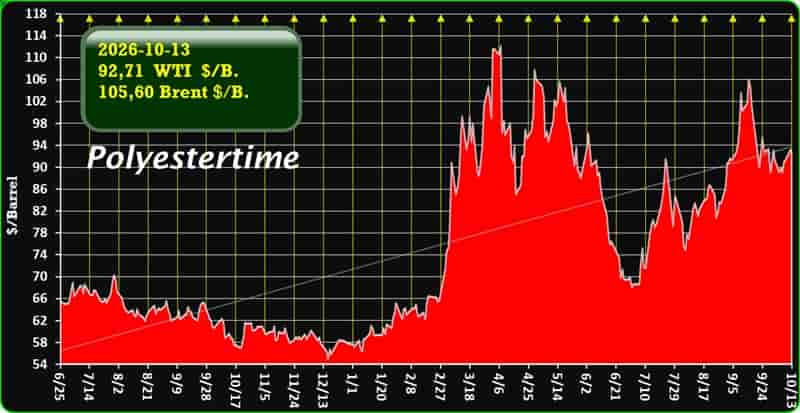
Oil Prices Surge as US-Iran Conflict Escalates: Brent Near $95 and WTI Above $91
More…