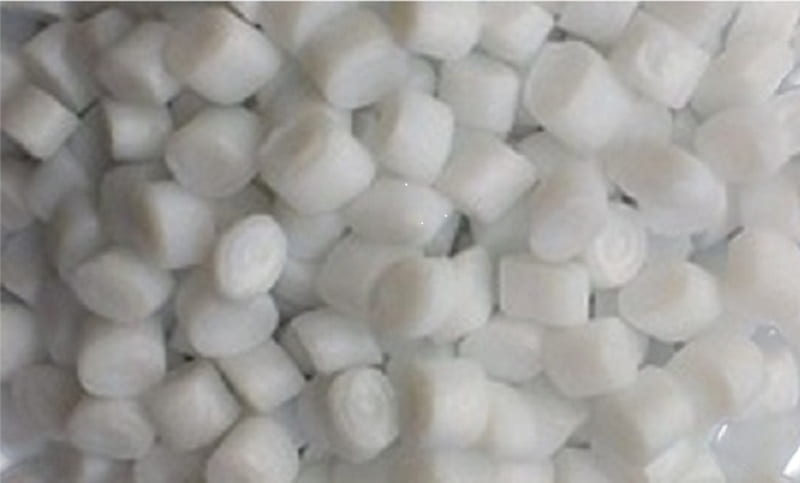
Leuna Polyamid Insolvency Puts Germany’s PA6 Supply Chain Under Pressure
Leuna Polyamid insolvency
Leuna Polyamid Insolvency Puts Germany’s PA6 Supply Chain Under Pressure
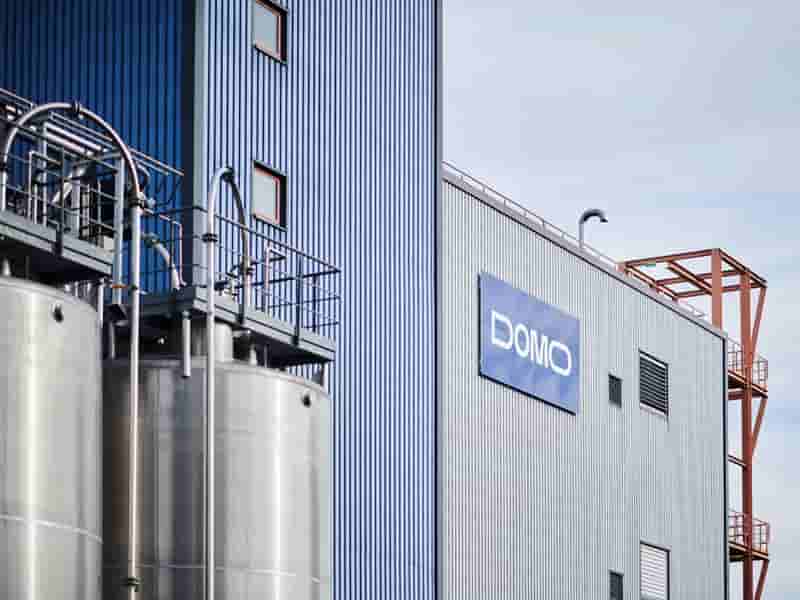
Leuna-Polyamid GmbH has entered another critical phase only a few months after taking over the former Domo Caproleuna operations in eastern Germany. The company has filed for self-administration insolvency proceedings, raising fresh questions about the future of one of Germany’s important polyamide 6 and caprolactam production sites.
The move does not automatically mean the plant will close. Self-administration is designed to give the company room to continue operations while restructuring its finances. However, the speed of the filing shows how fragile the economics of European chemical production have become, especially for energy- and feedstock-intensive materials such as PA6.
A rescue deal quickly meets market reality
Leuna-Polyamid was created as a rescue vehicle after the former Domo Caproleuna site ran into insolvency difficulties. The business was taken over by InfraLeuna and Leuna-Harze through the newly established Leuna-Polyamid GmbH, with operations transferred at the beginning of April 2026.
At the time, the deal was seen as a way to protect industrial continuity at the Leuna Chemical Park and preserve hundreds of jobs. The site plays an important role in the production chain for caprolactam and polyamide 6, materials used in automotive components, electrical applications, textiles, packaging and industrial products.
But the new company entered the market at a difficult moment. European chemical producers are facing weak demand, high operating costs, volatile energy markets and increasing competition from lower-cost regions. For a young company with limited financial history, these pressures can quickly become a liquidity problem.
Why the company filed for insolvency
According to recent reports, Leuna-Polyamid’s management pointed to a sharp rise in raw material costs as one of the main causes of the filing. Some input costs reportedly increased by between 40% and 100%, creating a sudden burden on working capital.
The situation was made more difficult by supplier payment terms. Key suppliers reportedly demanded advance payments because of the plant’s previous insolvency history. For an industrial site that must buy large volumes of raw materials before generating cash from sales, this can create a dangerous gap between production needs and available liquidity.
In simple terms, demand alone was not enough. Even if customers continued to need PA6 and caprolactam, the company still needed enough cash to secure feedstocks, pay suppliers and keep production running. Leuna Polyamid insolvency
Why PA6 producers are exposed to feedstock shocks
Polyamide 6, also known as nylon 6, is produced from caprolactam. Caprolactam itself depends on upstream petrochemical inputs, including benzene-related value chains. This makes PA6 producers highly sensitive to movements in feedstock costs, energy prices and transport disruptions.
Recent market reporting has linked higher PA6 and caprolactam costs in Europe to upstream pressure, including benzene price increases and supply concerns connected with geopolitical tension around the Gulf region and the Strait of Hormuz.
This matters because European producers already operate with structurally higher energy and compliance costs than many competitors in Asia or North America. When feedstock costs rise suddenly, margins can narrow very quickly unless producers are able to pass costs on to customers.
A local crisis with wider industrial implications
The Leuna case is not only about one company. It reflects a broader issue across Europe’s chemical industry: strategic plants can be technically important but financially vulnerable.
The Leuna site is part of an integrated chemical park where companies often depend on shared infrastructure, utilities, logistics and material flows. If one major production unit becomes unstable, the effects can extend beyond its own workforce.
This is why the future of Leuna-Polyamid matters to customers, suppliers, workers and regional policymakers. The plant supports a value chain that reaches into automotive, electrical, electronics and industrial applications. A prolonged disruption could tighten supply or force buyers to rely more heavily on imports.
Self-administration keeps the restructuring option open
The insolvency filing under self-administration gives Leuna-Polyamid a framework to continue operating while seeking a financial solution. The likely priorities are stabilizing liquidity, securing supply agreements, maintaining customer confidence and searching for a strategic investor.
For investors, the site may still offer industrial value. It has existing assets, skilled workers, production know-how and a position inside one of Germany’s major chemical clusters. The challenge is whether that industrial value can be matched with a capital structure capable of surviving raw material volatility and supplier risk.
What to watch next
The next phase will depend on several factors.
First, the company will need to show whether operations can continue safely and reliably during the insolvency process. Chemical production depends on continuity, technical discipline and confidence from customers and suppliers.
Second, supplier behavior will be decisive. If suppliers continue to require advance payments, the company’s liquidity needs may remain high even during restructuring.
Third, raw material markets will matter. If feedstock prices stabilize, Leuna-Polyamid may have more room to negotiate. If costs remain volatile, the restructuring will be harder.
Finally, the search for a strategic investor will be central. A buyer with stronger financial backing, feedstock access or downstream integration could improve the plant’s chances. Without that, the site may remain exposed to the same pressures that triggered the latest filing.
Europe’s PA6 chain faces a stress test
The Leuna Polyamid insolvency is a warning sign for Europe’s PA6 supply chain. It shows that industrial demand is not enough when producers face high input costs, supplier distrust and limited liquidity.
For Germany, the case also highlights a difficult policy question. Europe wants to maintain critical industrial production, reduce dependence on imports and keep advanced material supply chains close to home. But these goals require production sites that can compete financially in a volatile global market.
Leuna-Polyamid’s restructuring will therefore be watched closely. Its outcome could indicate whether European PA6 production can adapt to today’s cost environment, or whether more consolidation and capacity pressure are still ahead.
Lone Star Rescues DOMO Engineered Plastics Operations After Belgian Bankruptcy
More…