US Iran Oil Prices: Brent Near $85 as War Risks Persist
US Iran Oil Prices: Brent Near $85 as War Risks Persist
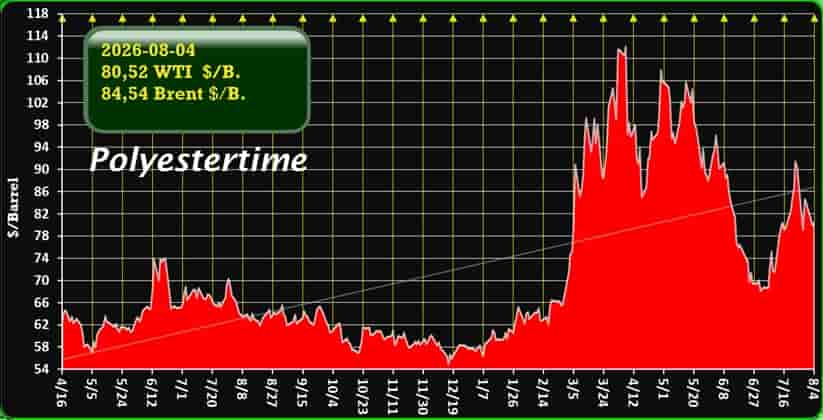
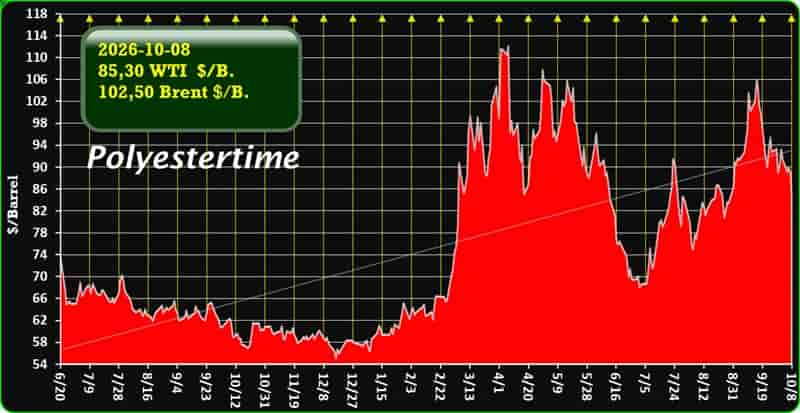
Brent crude is trading at about $85 a barrel and U.S. West Texas Intermediate at about $81 as the oil market weighs two opposing forces: hope for diplomacy and the continuing risk that the U.S.–Iran war will further disrupt energy shipments.
The immediate market message is not that the crisis has ended. It is that traders are rapidly repricing the probability of escalation. Oil rebounded by about 1% in early trading on August 4 after steep losses in the previous session, with front-month Brent at $84.89 and WTI at $81.11 at 03:55 GMT, according to Reuters reporting carried by Euronext.
Oil prices at a glance
-
Brent crude: approximately $85 per barrel
-
WTI crude: approximately $81 per barrel
-
Main bullish risk: renewed disruption around the Strait of Hormuz
-
Main bearish factor: a credible ceasefire or agreement that restores safer shipping
-
Market condition: highly volatile and sensitive to headlines
These are time-stamped market levels, not fixed daily prices. Crude futures can change materially during a trading session.
Why oil prices remain volatile
Oil fell sharply on August 3 after U.S. President Donald Trump said he was holding off on new attacks while efforts continued to end the war and resolve the dispute over the Strait of Hormuz. The decline reflected relief that an immediate escalation might be avoided.
That optimism remains fragile. Iran’s Foreign Ministry spokesman, Esmail Baghaei, said no negotiations with the United States were taking place and no meetings were scheduled. Iran has instead described its contacts with Oman as discussions about maritime navigation. The conflicting accounts mean the market cannot yet treat a diplomatic settlement as a confirmed outcome.
This gap between public positions explains the rapid swings in Brent and WTI. Any verified progress toward safer shipping could reduce the geopolitical risk premium. A breakdown in diplomacy, new military strikes or further attacks on vessels could push that premium higher again.
The Strait of Hormuz is the central oil-market risk
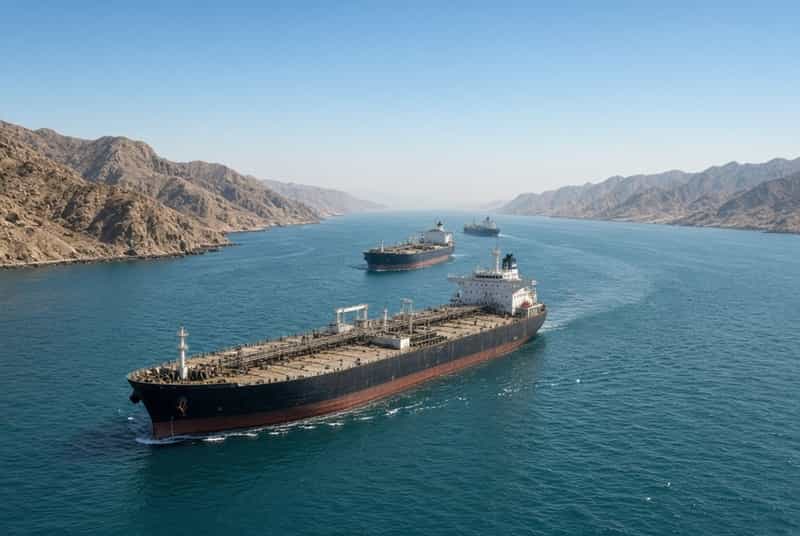
The Strait of Hormuz connects Gulf producers with global markets. Before the conflict, roughly one-fifth of global crude oil and natural gas shipments moved through the waterway, Reuters reported. There are limited practical alternatives for much of that volume, so even partial disruption affects freight rates, insurance costs, delivery times and the price buyers will pay for secure supply.
Shipping has improved from earlier lows but remains constrained. Barclays analysts estimated that net crude oil and refined-product exports through the strait averaged 4.2 million barrels a day in the week ending July 31, up from 3.2 million barrels a day a week earlier. That improvement is significant, but it does not by itself establish that normal traffic has returned.
The security risk is also current. On August 4, the United Kingdom Maritime Trade Operations agency reported an incident near Al Khasab, Oman, after a cargo vessel said it had been struck by an unknown projectile. The identity of the attacker was not established in the initial report, so responsibility should not be attributed without further verified evidence.
What the latest supply data show
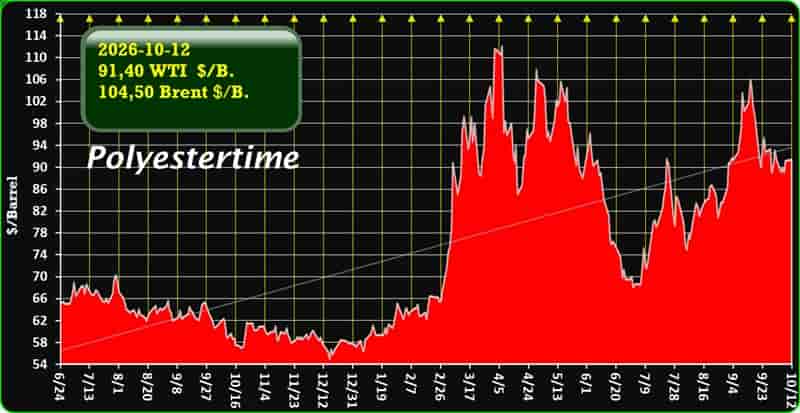
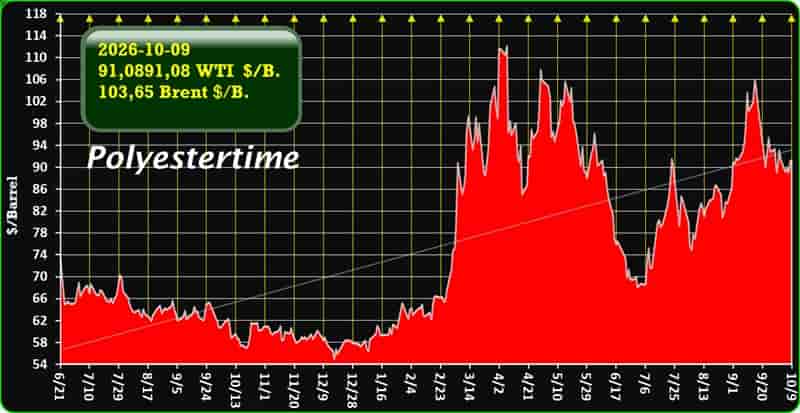
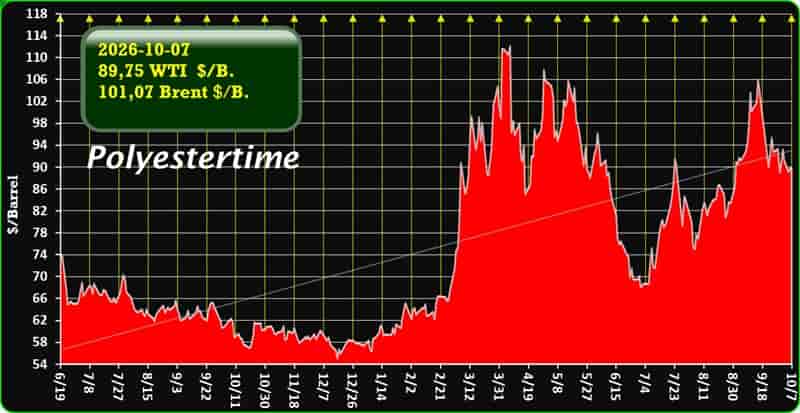
The U.S. Energy Information Administration said disruptions through Hormuz produced higher and more volatile crude prices through much of the second quarter. Brent ranged from a high of $118 a barrel on April 29 to a low of $72 on June 26.
The EIA also estimated that global crude inventories fell by an average of 5.1 million barrels a day during the second quarter. U.S. commercial crude stocks ended that quarter at their lowest seasonal level since 2014. Those figures suggest the market has a thinner cushion if a new shock removes supply or delays cargoes.
At the same time, high prices can bring a response. U.S. refineries ran at unusually strong rates, while U.S. distillate and jet-fuel exports reached second-quarter records as buyers sought alternatives to disrupted Middle Eastern supplies. Supply adaptation can soften the impact of the crisis, but rerouting cargoes often involves longer voyages and higher costs.
What could push Brent and WTI higher?
The clearest upside risk is a renewed interruption of shipping through Hormuz. Further vessel attacks, mine threats, port blockades or military strikes on energy infrastructure could make physical supply harder and more expensive to move.
Risks are not limited to one waterway. Some Saudi tankers have diverted around southern Africa because of insecurity near the Red Sea and Bab el-Mandeb. Simultaneous pressure on both routes would increase journey times and tanker demand, adding another layer of cost to crude and refined products.
Low inventories can amplify these moves. When readily available stocks are limited, buyers have less flexibility to absorb an unexpected loss of supply.
What could bring prices down?
The strongest downward catalyst would be a verified agreement that produces durable, measurable results: fewer attacks, lower war-risk insurance, more tanker passages and a sustained recovery in export volumes.
Prices could also ease if producers outside the disrupted region increase exports, demand weakens, or refiners reduce crude purchases. However, political statements alone may have only a temporary effect unless shipping data and physical deliveries confirm that conditions are improving.
What higher oil prices mean for consumers and the economy
Brent is the more relevant benchmark for many internationally traded barrels, while WTI is the principal U.S. benchmark. A sustained rise in either can filter through to gasoline, diesel, jet fuel, shipping and manufacturing costs, although retail prices also depend on refining margins, taxes, exchange rates and local inventories.
For central banks, a prolonged energy shock can complicate inflation policy. For companies, it raises transport and input costs. For households, the effect is most visible at fuel pumps and, with a delay, in prices for goods that travel long distances.
What to watch next
Readers should focus on confirmed developments rather than isolated headlines:
-
verified statements from both the United States and Iran about negotiations
-
Omani announcements concerning a shipping arrangement
-
tanker traffic and export volumes through Hormuz
-
UKMTO security alerts and independently confirmed vessel incidents
-
changes in war-risk insurance and freight costs
-
U.S. and global crude inventory data
Outlook: a geopolitical premium is likely to remain
Brent near $85 and WTI near $81 show that the market has removed some of its earlier fear premium, but not all of it. Prices are well below Brent’s second-quarter peak, yet the route at the center of the crisis remains dangerous and the parties do not agree publicly on the status of diplomacy.
The most defensible near-term conclusion is therefore conditional. A credible agreement and visibly safer tanker traffic would put downward pressure on oil. Renewed fighting or another material disruption to Hormuz could send prices higher. Until one of those paths becomes clear, US Iran oil prices are likely to remain unusually sensitive to military, diplomatic and shipping news.
Frequently asked questions
Why is the Strait of Hormuz important for oil prices?
It is a critical route for Gulf energy exports. Disruption can reduce or delay available supply while increasing insurance, freight and security costs.
Why did oil fall and then rebound?
Prices fell when the threat of immediate U.S. strikes appeared to recede. They rebounded because Iran disputed U.S. claims about talks and shipping risks remained unresolved.
Are Brent and WTI likely to move together?
They often move in the same direction, but the spread between them can change because Brent reflects global seaborne conditions more directly, while WTI is also influenced by U.S. supply, storage and pipeline conditions.
Is this financial advice?
No. This article provides news analysis and does not recommend buying or selling any commodity or financial instrument.
Sources
-
Reuters, August 4, 2026, “Oil ticks up after selloff as talks to end US-Iran war remain uncertain,” republished by Euronext: https://live.euronext.com/en/financial-news/oil-ticks-after-selloff-talks-end-us-iran-war-remain-uncertain
-
U.S. Energy Information Administration, July 15, 2026, “Petroleum markets responded to disruptions in the Middle East in the second quarter”: https://www.eia.gov/todayinenergy/detail.php?id=67865
-
Associated Press, August 4, 2026, “Cargo ship reports being struck in Strait of Hormuz as US, Iran claims about talks diverge”: https://apnews.com/article/ff5f13230ab92b5ae3022f45b2585444
US-Iran War: Oil Prices Fall as Diplomacy Returns