US-Iran Military Escalation Drives Crude Prices Higher: Brent Reaches $98 and WTI Hits $94
US Iran oil prices
US-Iran Military Escalation Drives Crude Prices Higher: Brent Reaches $98 and WTI Hits $94
The global energy landscape is facing a period of severe instability as military tensions between the United States and Iran continue to escalate across critical Middle Eastern shipping corridors. International crude oil benchmarks have surged to six-week highs, directly reflecting the compounding supply risks within the Persian Gulf.
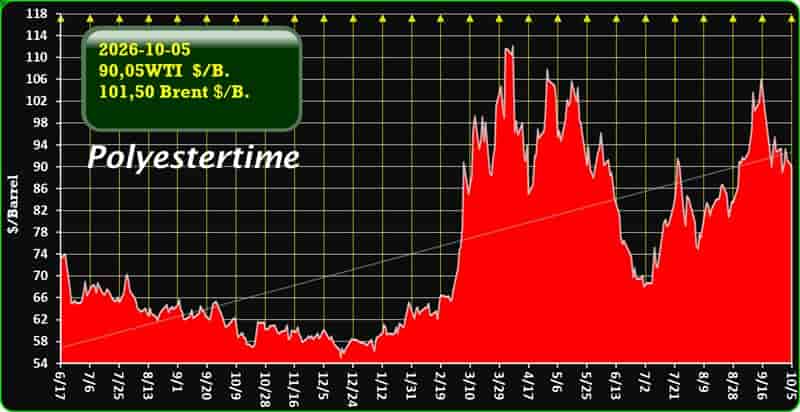
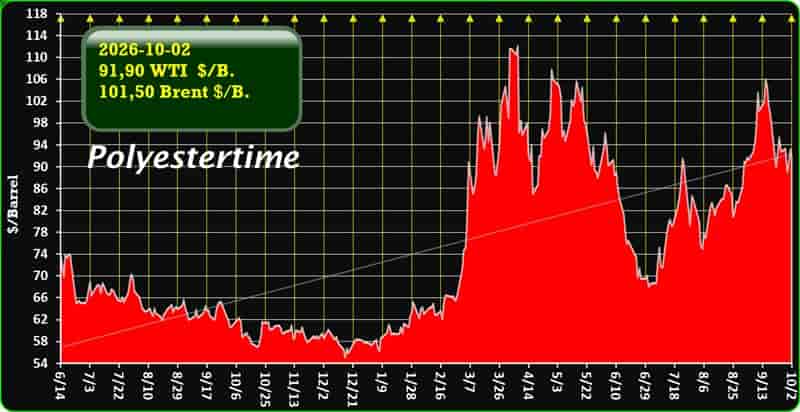
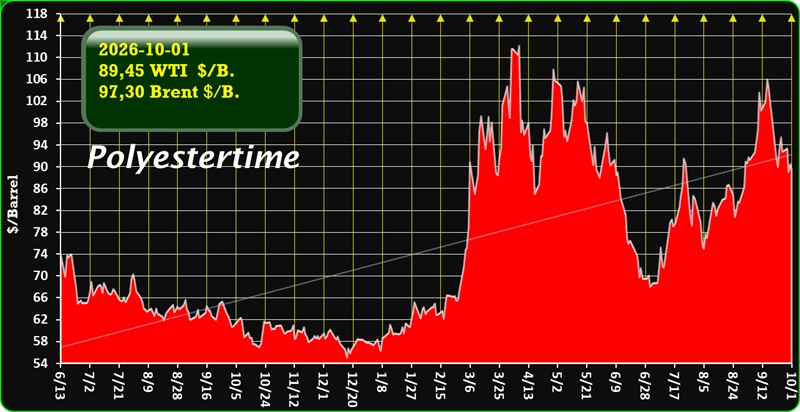
Brent crude, the global benchmark, is currently trading around $98 per barrel, while West Texas Intermediate (WTI), the primary US benchmark, trades near $94 per barrel. The swift upward momentum follows fresh exchanges of military strikes, vessel interdictions, and infrastructure disruptions surrounding the Strait of Hormuz. US Iran oil prices
Escalation in the Strait of Hormuz Spikes Energy Markets
The primary catalyst driving crude prices to multi-month highs is the direct physical risk to maritime logistics through the Strait of Hormuz. Historically, this narrow waterway handles roughly 20% of the world’s petroleum and liquefied natural gas (LNG) traffic.
Recent naval operations and military maneuvers have severely impaired commercial shipping confidence across the region:
-
Naval Interdictions and Drone Strikes: Naval forces from both sides have executed target interdictions and drone strikes on vessels operating near key maritime choke points, forcing multiple commercial fleets to halt passage.
-
Spiking Maritime Risk Premiums: War risk insurance rates for commercial oil tankers navigating the Persian Gulf have reached historic levels, sharply raising transportation costs for international traders.
-
Infrastructure Targeted: Fresh attacks on regional petroleum infrastructure—including processing units and export terminals—have fueled fears that physical supply outages could spread beyond transit routes. US Iran oil prices
Benchmark Price Dynamics: Brent vs. WTI
| Benchmark | Current Price | Primary Market Driver |
| Brent Crude | ~$98 / barrel | Severe exposure to European and Asian sea-lane disruptions. |
| WTI Crude | ~$94 / barrel | Driven by global momentum, partially buffered by US domestic reserves. |
The price differential between Brent crude and WTI highlights the uneven structural impact of the Middle Eastern crisis. Brent crude bears the brunt of immediate maritime bottlenecks because European and Asian buyers rely heavily on seaborne imports transiting the Indian Ocean and Gulf passages. WTI, while tracking global trends upward, reflects a slight buffer provided by North American domestic production and regional pipeline logistics.
OPEC+ Limits and Strategic Reserve Capacity
The rally in oil prices comes despite recent operational efforts by major producing nations to stabilize the market. Although OPEC+ members previously agreed to phase out voluntary production cuts, operational bottlenecks and political risks have prevented full output capacity from reaching international buyers. US Iran oil prices
Key structural issues limiting market relief include:
-
Under-Production Constraints: Several producer nations continue to fall short of official quotas due to aging infrastructure and maintenance delays.
-
Logistical Re-Routing: Alternative overland pipelines, such as those bypassing the Strait of Hormuz through Saudi Arabia or the UAE, lack the total volume capacity needed to offset a potential full closure of the strait.
-
Strategic Reserves: While major importing nations possess strategic petroleum reserves (SPRs), governments remain hesitant to execute coordinated stock releases until long-term supply trajectories become clearer.
Global Macroeconomic Impact and Inflationary Threats
Energy economists warn that a sustained period of crude oil trading near or above $100 per barrel presents serious risks to global macroeconomic recovery. Higher energy prices act as a direct tax on both consumer spending and industrial manufacturing, creating widespread cost pressures.
If elevated crude prices persist through the coming quarters, several macroeconomic consequences are expected:
-
Resurgent Headline Inflation: Rising fuel prices directly drive up transportation, freight, and agricultural production costs, spilling over into retail consumer price indices worldwide.
-
Monetary Policy Dilemmas: Central banks that were previously lowering interest rates may be forced to pause or reverse course to prevent secondary inflation spikes.
-
Stagflationary Pressures: Elevated energy costs paired with high borrowing rates increase the risk of economic stagflation—a period marked by stagnant GDP growth and persistent inflation. US Iran oil prices
Market Outlook: Geopolitical Risk Premiums Prevail
Until diplomatic channels manage to de-escalate maritime hostilities or establish guaranteed safe transit corridors through the Strait of Hormuz, energy analysts anticipate that crude oil prices will retain a heavy geopolitical risk premium. Investment banks and energy research firms have continuously adjusted their price forecasts upward as market participants prepare for prolonged volatility.
In the short term, any sudden military escalation or direct damage to key production hubs could push Brent well past the $100 threshold. Conversely, credible cease-fire talks or security guarantees for commercial shipping remain the sole mechanisms likely to bring immediate downward relief to energy benchmarks. US Iran oil prices
ran oil prices
More…