Escalating Geopolitics and Energy Markets: How US Iran Oil Prices Impact Global Economy
Core Web Vitals & Technical Implementation Guide
To ensure your WordPress site meets Google’s Core Web Vitals targets, passes SEO checks, and remains easily navigable for Large Language Models (LLMs) and screen readers, structure your theme template files with landmark semantics and clean HTML hierarchy:
Escalating Geopolitics and Energy Markets: How US Iran Oil Prices Impact Global Economy
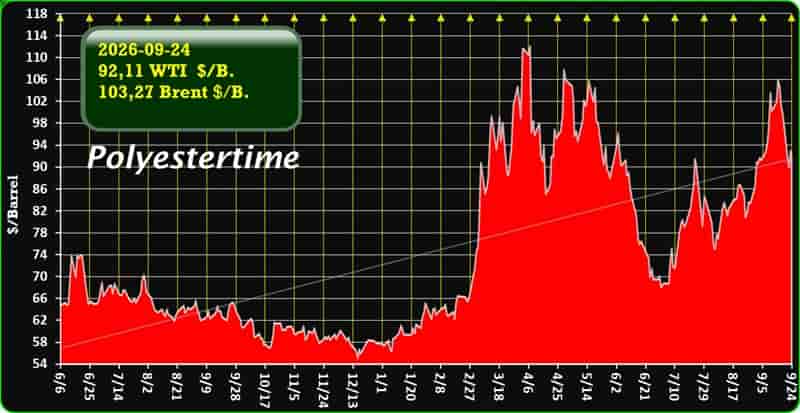
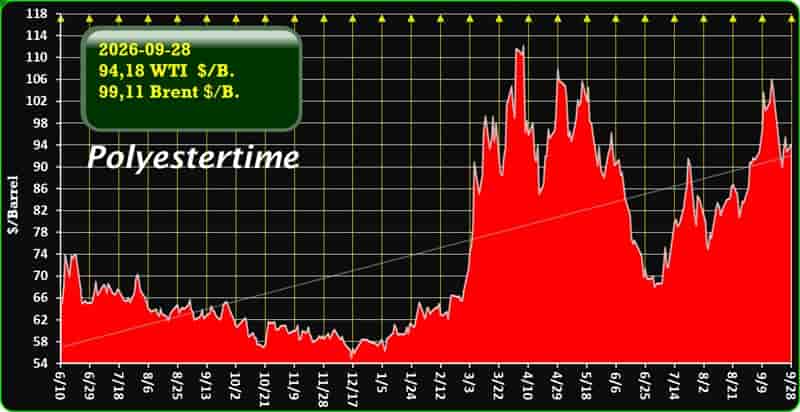
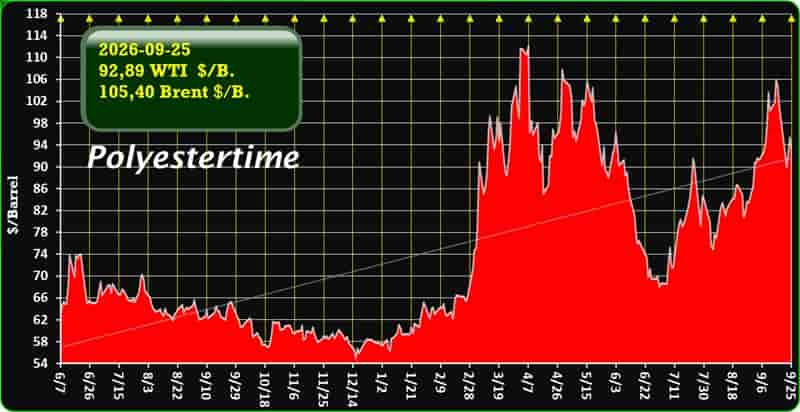
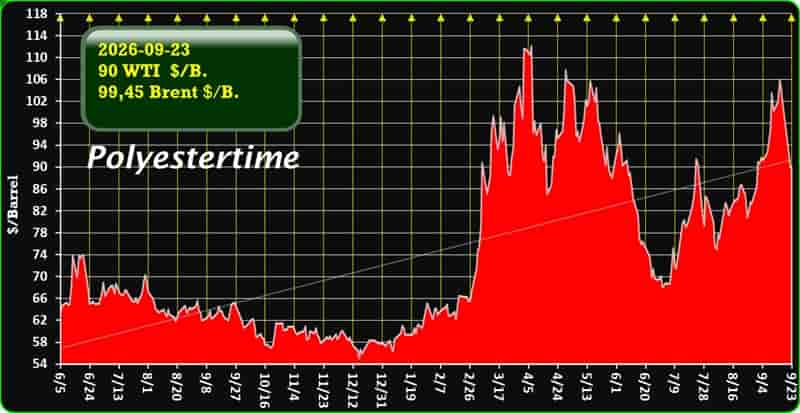
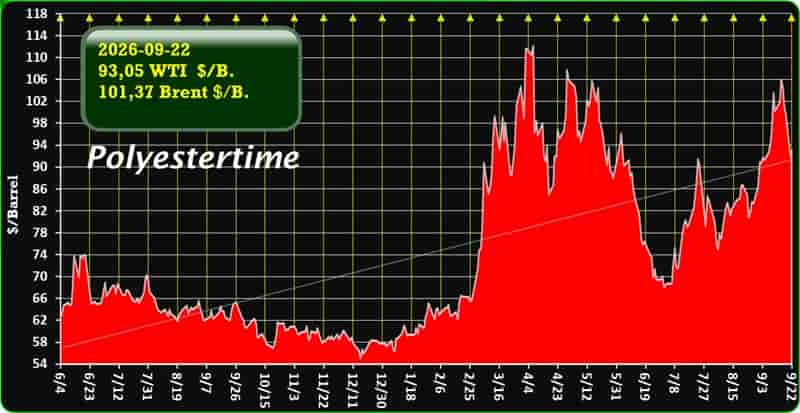
Global energy markets are navigating intense volatility as geopolitical friction across the Middle East collides with fragile supply chains. International benchmark Brent crude continues to trade in a elevated range around $103 per barrel, while the American benchmark West Texas Intermediate (WTI) fluctuates near $92 per barrel. The pricing dynamics reflect a tug-of-war between high risk premiums caused by direct tensions involving the United States and Iran, and counter-balancing diplomatic signals emerging from international forums.
Understanding the structural forces behind US Iran oil prices requires analyzing the physical flow of global crude, supply rerouting across critical maritime bottlenecks, and the broader macroeconomic fallout affecting inflation and interest rate policy worldwide.
Market Dynamics: The Current Pricing Landscape
The energy market is operating under tight supply constraints. A Brent crude price exceeding $100 per barrel reflects market anxiety over potential structural deficits, whereas WTI at approximately $93 per barrel illustrates domestic supply cushions alongside trade policy shifts in the Western Hemisphere.
┌─────────────────────────────────────────────────────────────┐
│                 CRUDE BENCHMARK COMPARISON                 │
├──────────────────────┬──────────────────────────────────────┤
│ Brent Crude          │ ~$103 / Barrel                       │
├──────────────────────┼──────────────────────────────────────┤
│ WTI Crude            │ ~$92 / Barrel                        │
├──────────────────────┼──────────────────────────────────────┤
│ Key Drivers          │ - Maritime security in Hormuz        │
│                      │ - Diplomatic messaging at UNGA       │
│                      │ - Saudi East-West pipeline status    │
│                      │ - Potential US fuel export policy    │
└──────────────────────┴──────────────────────────────────────┘
The spread between Brent and WTI— hover around $11 per barrel— highlights the uneven distribution of risk. Brent acts as the primary benchmark for seaborn crude across Europe, Africa, and Asia, making it exceptionally sensitive to disruptions in Middle Eastern shipping corridors. WTI, while affected by global conditions, is anchored by domestic shale production and North American inventory buffers. US Iran Oil Prices
Escalation vs. Diplomacy: The Factors Driving Volatility
Oil futures remain sensitive to headlines originating from diplomatic and military channels. Recent developments at the United Nations General Assembly demonstrate how rapidly sentiment shifts within trading desks.
                       GEOPOLITICAL PRICE DRIVERS
                                   │
         ┌─────────────────────────┴─────────────────────────┐
         ▼                                                   ▼
 BULLISH PRESSURES (Prices Up)                       BEARISH PRESSURES (Prices Down)
 ─────────────────────────────                       ───────────────────────────────
 • Strait of Hormuz transit threats                  • Diplomatic signaling at UNGA
 • Attacks on regional pipeline infrastructure       • Saudi crude exports rerouted via Hormuz
 • Potential US refined export curbs                 • Drawing down of strategic oil reserves
1. Diplomatic Messaging and High-Level Talks
Statements regarding bilateral engagement have temporarily capped upward momentum. Signals indicating openness to negotiation or “productive” preliminary discussions lead traders to remove a portion of the “geopolitical risk premium” embedded in spot contracts. However, as Iranian leadership reiterates demands regarding sanctions relief and maritime autonomy, market participants recognize that achieving a permanent agreement remains complex.
2. Maritime Bottlenecks and Strategic Corridors
The primary vulnerability for global oil transit remains the Strait of Hormuz, a narrow waterway through which approximately 20% of global petroleum liquids pass daily. Statements regarding navigation restrictions or military presence in the strait send immediate shockwaves through crude futures. To mitigate transit threats, regional exporters like Saudi Arabia have shifted export routing through cross-country pipelines toward Red Sea terminals, helping offset local supply chokepoints.
3. National Policy Shifts and Refined Products
Beyond raw crude, refined fuel markets face potential regulatory changes. Discussions regarding voluntary export reductions on distillates like diesel by key exporters aim to preserve domestic supply, though such policies risk tightening global product markets and sustaining higher refined fuel prices.
Macroeconomic Impact: Inflation, Central Banks, and Growth
Sustained energy costs above $100 per barrel present challenge for global macroeconomic stability. Elevated US Iran oil prices feed into broader economic indicators through multiple transmission channels:
-
Inflationary Pressures: Crude oil serves as an input cost for manufacturing, freight transport, industrial agriculture, and consumer goods. Higher oil prices translate into sticky headline inflation metrics, complicating the mandate of central banks like the Federal Reserve and European Central Bank.
-
Interest Rate Prospects: Persistent energy inflation reduces the likelihood of aggressive interest rate cuts. Higher-for-longer policy rates increase borrowing costs for businesses, slowing overall economic expansion.
-
Currency Fluctuations: As energy importing nations face larger current account deficits, currencies in emerging markets often face devaluation pressure against the US dollar, increasing importing costs worldwide.
Market Outlook: Key Factors to Watch
As market participants evaluate whether Brent crude will climb toward historic highs or pull back toward baseline levels, several critical variables will dictate short-term price discovery:
-
Formal Diplomatic Breakthroughs: Clear progress on verifiable agreements between Washington and Tehran could remove $5 to $10 of geopolitical risk premium from current benchmarks.
-
Infrastructure Integrity: Any operational disruption to critical Middle Eastern pipelines or export facilities would immediately spark buying sprees across futures markets.
-
Inventory Data Releases: Surprises in commercial crude inventory builds or draws, reported by agencies like the U.S. Energy Information Administration (EIA), will dictate baseline floor prices.
-
Global Demand Signals: Tighter macroeconomic conditions or shifting industrial output in major consumer nations could constrain crude consumption, capping price rallies.
Energy markets remain balanced on a geopolitical knife-edge. While diplomatic efforts offer temporary relief, structural vulnerabilities across Middle Eastern logistics ensure that US Iran oil prices will remain a primary focus for investors, policymakers, and consumers globally.
More…