US Iran Oil Prices Surge: Brent Hits $102 as Strait of Hormuz Risks Escalate
US Iran Oil Prices Surge: Brent Hits $102 as Strait of Hormuz Risks Escalate
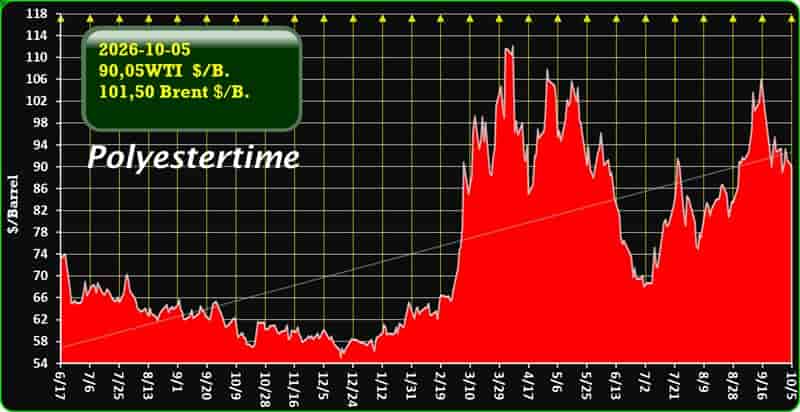
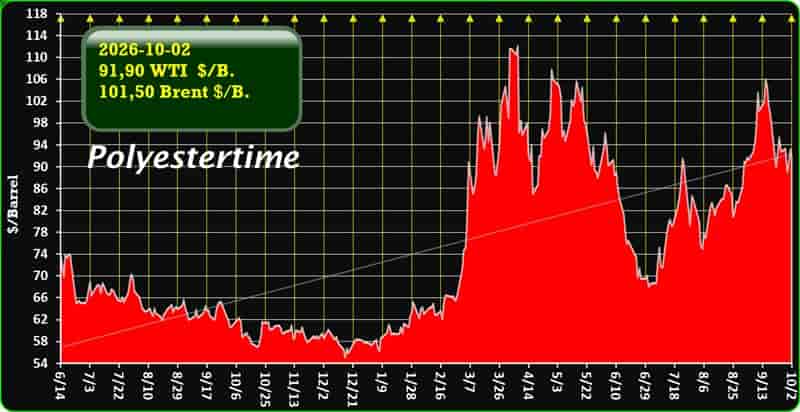
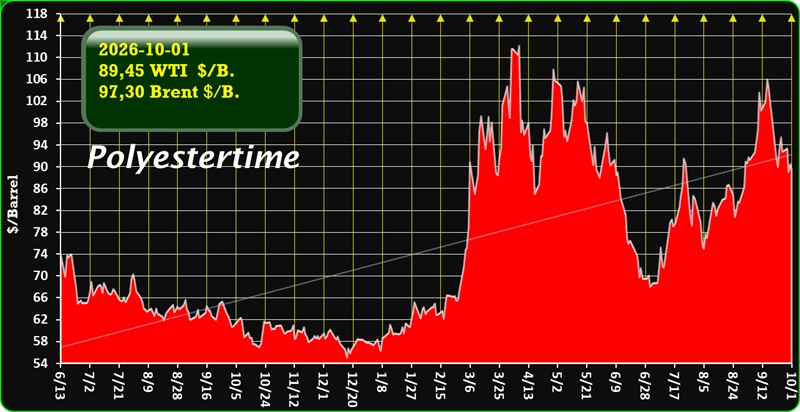
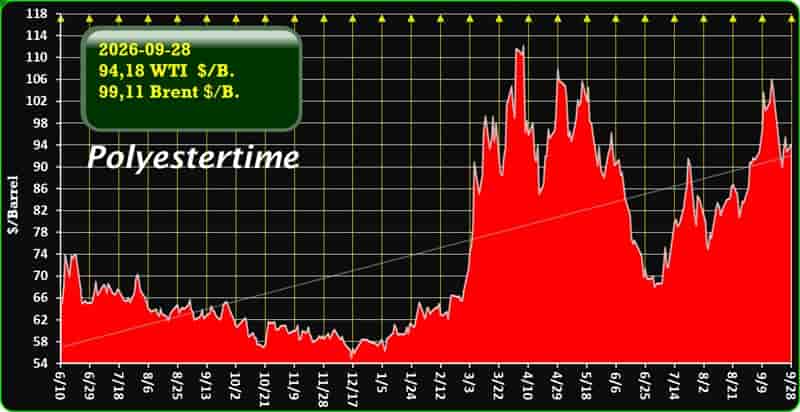
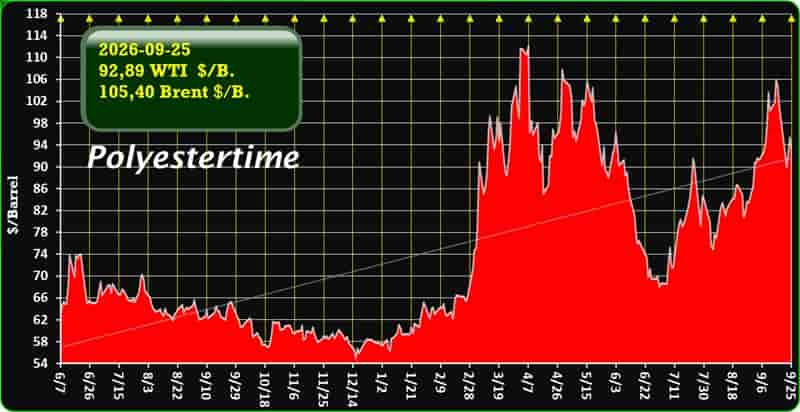
Global energy markets are experiencing heightened volatility as military conflict between the United States and Iran reshapes the geopolitical landscape. Benchmark prices have spiked to critical levels, with international benchmark Brent crude hovering around $102 per barrel and West Texas Intermediate (WTI) trading near $90 per barrel.
This price divergence underscores deep structural fears regarding supply route vulnerabilities, regional production stability, and international energy security. As Washington and Tehran maintain aggressive postures across key maritime zones, energy analysts and global markets remain on high alert. US Iran oil prices
Benchmark Breakdowns: Why Brent and WTI are Diverging
The price gap between Brent crude ($102/bbl) and WTI crude ($90/bbl) reflects specific regional risk factors associated with the Middle Eastern theater.
-
Brent Crude ($102/B): As the primary global benchmark, Brent directly reflects shipping, logistics, and supply disruptions originating in the Middle East and Atlantic basin. Tensions along sea corridors have injected a significant risk premium into Brent pricing.
-
WTI Crude ($90/B): The US benchmark benefits partially from domestic production insulation and North American storage capacity. However, as refined product exports—especially diesel—tighten globally, WTI continues to track upward. US Iran oil prices
Benchmark Crude Oil Prices & Market Metrics
+-------------------+------------------+-------------------+
| Metric            | Current Price    | Primary Driver    |
+-------------------+------------------+-------------------+
| Brent Crude       | ~$102 / barrel   | Hormuz Risk       |
| WTI Crude         | ~$90 / barrel    | Export Demand     |
| Murban Crude      | ~$109 / barrel   | Gulf Shipping     |
| G7 Reserve Target | 100M Barrels     | Market Control    |
+-------------------+------------------+-------------------+
Strategic Bottlenecks: The Strait of Hormuz Threat
The center of current market anxiety remains the Strait of Hormuz, a maritime choke point through which approximately one-fifth of global oil consumption passes. Reports of military activity and insurance surcharges for commercial tankers have raised costs for international freight operators. US Iran oil prices
    [ Persian Gulf Exports ]
               │
               ▼
   [ Strait of Hormuz Risk ]
        /             \
       ▼               ▼
[ Tanker Delays ]  [ Higher Freight / Insurance ]
       \               /
        ▼             ▼
   [ Global Price Spikes: Brent $102+ ]
Although some crude volume continues to move via alternative routes—such as Saudi Arabia’s East-West pipeline—traders remain cautious. Any major escalation impacting vessel safety through the strait immediately feeds into higher spot market prices. US Iran oil prices
Global Policy Responses: OPEC+ and G7 Reserve Releases
International bodies and production cartels have initiated policy responses to prevent wider macroeconomic destabilization:
-
OPEC+ Output Stance: Major OPEC+ producers, including Saudi Arabia and Russia, agreed to keep production quotas unchanged for November, monitoring market developments closely before considering supply adjustments.
-
G7 Emergency Releases: Group of Seven nations announced plans to coordinate the frontloaded release of up to 100 million barrels of emergency crude and diesel reserves to alleviate immediate refinery bottlenecks.
-
Saudi Pricing Adjustments: Saudi Aramco instituted price cuts on select Asian export grades to maintain market share and offset elevated shipping and war-risk premiums paid by refiners.
Economic Fallout and Energy Outlook
Prolonged energy price elevated levels above $100 per barrel pose systemic risks to global economic stability. High crude costs translate directly into elevated fuel prices, compounding inflationary pressure across freight, aviation, and agriculture sectors. Central banks worldwide continue to monitor energy volatility for potential impacts on broader monetary policy.
Unless diplomatic channels reopen or naval escort operations stabilize commercial shipping lanes, crude markets are anticipated to maintain a strong geopolitical risk premium into the next quarter.
US Iran oil prices
More…