Navigating the Global Energy Maze: Oil Prices, Brent and WTI Amid US-Iran Tensions
Oil prices us iran
Navigating the Crude Market: Brent and WTI Amid the US-Iran Conflict
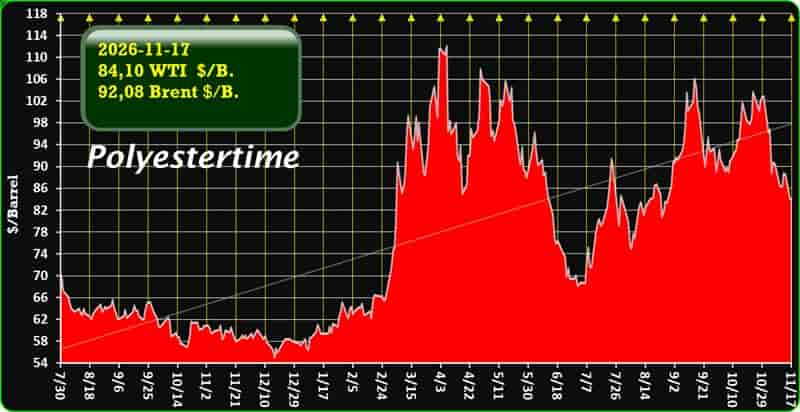
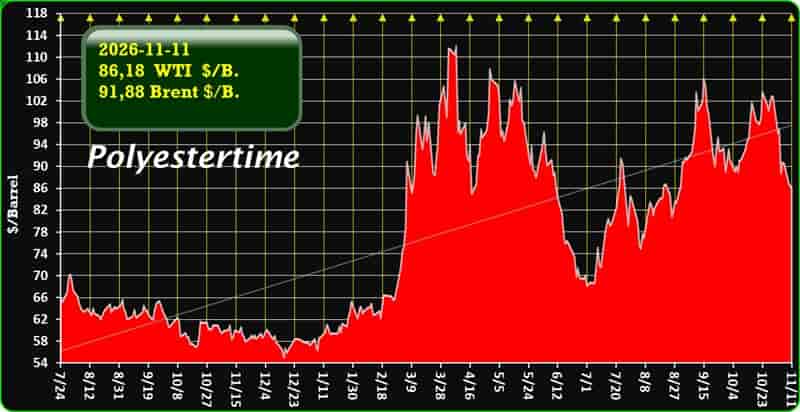
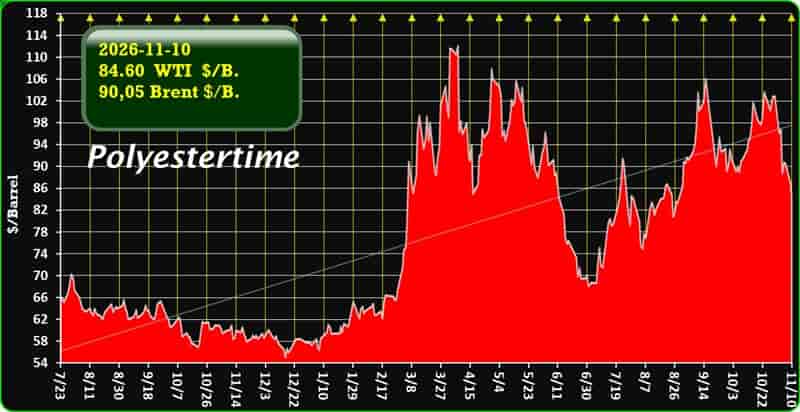
Global energy markets continue to navigate a complex and highly sensitive landscape as geopolitical tensions involving the United States and Iran intersect with shifting macroeconomic fundamentals. With international benchmark Brent crude hovering around 92 $/B and West Texas Intermediate (WTI) trading near 84 $/B, energy traders, refiners, and policymakers are carefully weighing the risks of regional military escalation against mounting evidence of a potential global oil supply surplus.
This article explores the current dynamics of crude oil pricing, the status of petroleum transit through vital chokepoints like the Strait of Hormuz, and what market analysts expect as the industry looks toward upcoming producer meetings. oil prices us iran
Geopolitical Friction and the Middle East Risk Premium
The geopolitical backdrop of the US-Iran conflict remains the primary driver of volatility in the petroleum complex. Throughout the year, hostilities have periodically threatened vital maritime trade routes, most notably the Strait of Hormuz—a narrow waterway through which a massive share of the world’s petroleum passes daily. Recent reports from the region, including incidents involving commercial vessels and strategic regional flashpoints, have kept maritime insurers and energy logistics firms on high alert. oil prices us iran
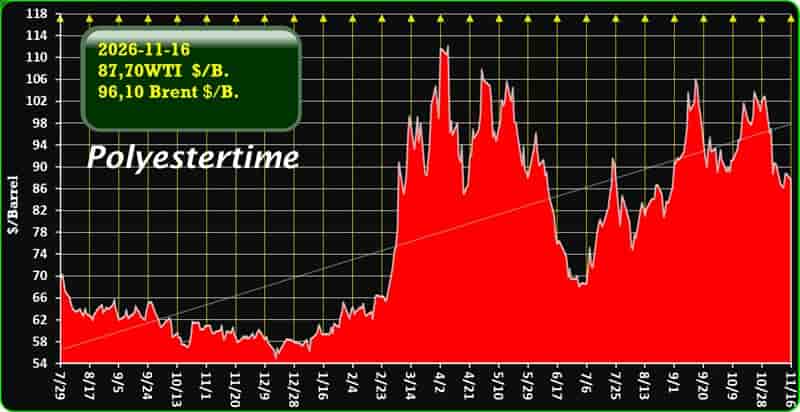
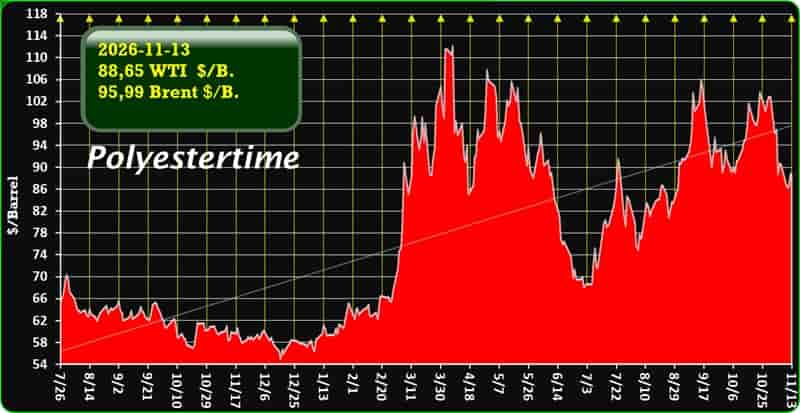
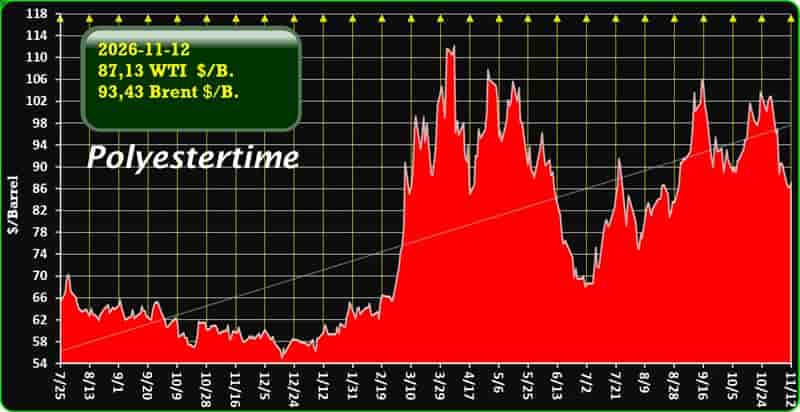
Despite these recurring security incidents, the market’s reaction to geopolitical headlines has evolved. Earlier in the conflict, supply disruption fears drove Brent crude toward the upper boundary of its trading corridor, touching peaks near 120 $/B. However, recent sessions have demonstrated a degree of “fatigue” or premium unwinding among traders. Statements from Washington indicating a reluctance to enter into prolonged regional military commitments, alongside signals from Tehran regarding diplomatic pathways, have helped temper the most extreme risk premiums. oil prices us iran
Supply Surpluses and Macroeconomic Realities
While geopolitical risks maintain a floor under prices, physical market fundamentals are increasingly pointing toward ample supply. According to data and forecasts from the International Energy Agency (IEA) and major financial institutions, global oil supply is projected to outpace demand.
-
Recovering Middle East Shipments: Crude flows through the Strait of Hormuz and production volumes from key producers in the region have shown resilience, gradually recovering despite ongoing security concerns.
-
Inventory and Demand Metrics: Data from energy agencies point to rising output among major non-OPEC and OPEC producers alike, while demand growth in key industrial economies—particularly industrial and refinery processing figures out of China—has experienced periods of sluggishness.
-
The Specter of a Glut: Major financial institutions have warned that if current production trajectories hold, the market could face a substantial supply surplus moving into the upcoming quarters, creating a stark counterweight to Middle Eastern supply anxieties. oil prices us iran
Benchmark Divergence: Brent vs. WTI
The pricing spread between Brent and WTI reflects the distinct regional fundamentals influencing North American and international markets. Brent, as the global benchmark, remains more immediately sensitive to disruptions in the Middle East and European energy security. WTI, tied closely to domestic US inventory levels and Cushing, Oklahoma storage data, experiences its own localized pressures driven by American production capacity and domestic demand cycles. oil prices us iran
At current levels—Brent near 92 $/B and WTI around 84 $/B—both benchmarks are testing crucial technical and psychological thresholds. Technical analysts note that sustained closes below these markers could invite further downward momentum toward longer-term support zones, provided that physical supply disruptions do not materialize. oil prices us iran
Looking Ahead: What Market Watchers Are Monitoring
As the market absorbs current valuations, attention is rapidly shifting toward upcoming international energy forums and policy decisions. Chief among these is the scheduled policy review by major producers, where output quotas and compliance levels will be re-evaluated.
For businesses, airlines, logistics providers, and everyday consumers, the current price band offers a temporary reprieve from extreme energy inflation, yet the underlying volatility means conditions can shift rapidly based on a single headline from the Persian Gulf. Maintaining diversified energy strategies and closely monitoring shipping security remains essential for navigating today’s commodity markets.