Bio-Based Synthetic Fiber Breakthrough 5 Key Impacts Reshaping Global Textile Industry
Bio-Based Synthetic Fiber Moves Toward Industrial Scale
The global textile sector is entering a decisive phase as demand for sustainable materials accelerates. A new partnership between Selenis and Kintra Fibers signals a major step forward in scaling bio-based synthetic fiber solutions that could significantly reduce reliance on petroleum-based materials.
Selenis, a global manufacturer specializing in polyester solutions, has announced a strategic collaboration with Kintra Fibers, a materials science company known for its patented polybutylene succinate technology. The partnership aims to industrialize and commercialize a 100% bio-based synthetic fiber designed specifically for textile applications.
This move reflects a broader shift across the industry, where innovation is increasingly focused on combining environmental responsibility with commercial scalability.
Why Bio-Based Synthetic Fiber Matters Now
The textile industry currently produces more than 90 million metric tons of synthetic fibers each year, the vast majority derived from fossil fuels. This dependency has raised concerns about carbon emissions, microplastic pollution, and long-term environmental impact.
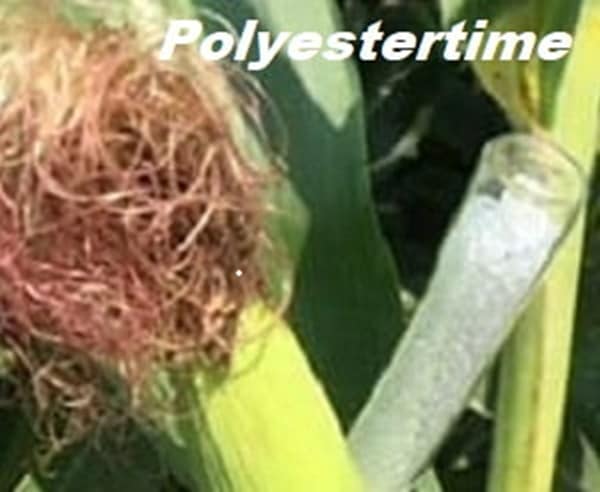
A scalable bio-based synthetic fiber offers a credible alternative. Unlike conventional synthetics, these materials are derived from renewable resources and are engineered to biodegrade under specific conditions. This dual advantage positions bio-based synthetic fiber as a key enabler of circular economy strategies in fashion and textiles.
The collaboration between Selenis and Kintra directly addresses the industry’s most pressing challenge: how to transition to sustainable materials without compromising performance, cost efficiency, or manufacturing compatibility.
Industrial Expertise Meets Material Innovation
At the core of this partnership is a clear division of strengths. Kintra Fibers brings its proprietary fiber-grade PBS resin, while Selenis contributes its extensive manufacturing infrastructure and polymerization expertise.
Through its Texnascis brand, Selenis will act as the industrialization partner. This includes scaling production from laboratory innovation to commercial volumes, a critical step that often determines whether new materials succeed in the market.
The ability to produce bio-based synthetic fiber at scale is not just a technical milestone. It is a commercial necessity. Brands and manufacturers require consistent quality, reliable supply chains, and compatibility with existing production systems before adopting new materials.
Compatibility as a Competitive Advantage
One of the most significant advantages of Kintra’s technology is its compatibility with existing PET processing infrastructure. This reduces the need for costly equipment upgrades, lowering the barrier to adoption for textile manufacturers.
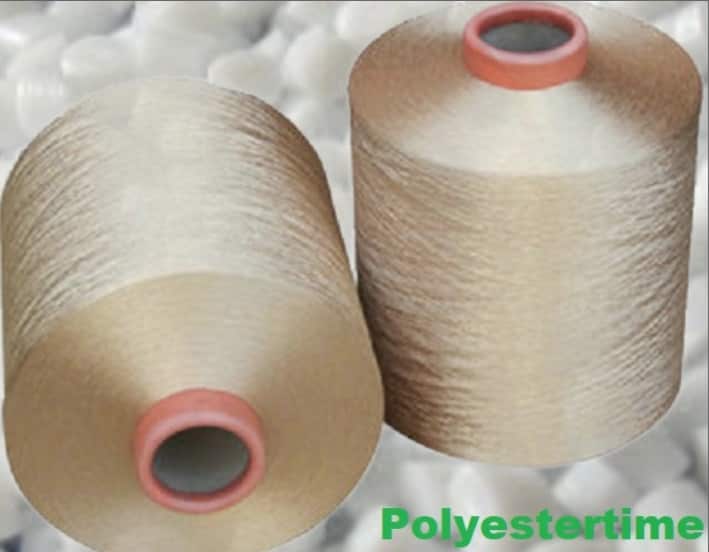
The bio-based synthetic fiber developed through this partnership can be processed using standard extrusion systems and is available in multiple yarn formats, including fully drawn yarn, air-textured yarn, and draw-textured yarn. This versatility allows it to be used across a wide range of textile applications, from performance apparel to everyday fashion.
In addition to sustainability, the material delivers key performance attributes such as softness, durability, stretch, and abrasion resistance. These characteristics are essential for widespread market acceptance, as they ensure that sustainability does not come at the expense of quality.
Scaling Sustainability Across the Value Chain
The partnership also highlights the importance of collaboration across the textile value chain. Developing a new bio-based synthetic fiber is only the first step. Ensuring its adoption requires alignment between material producers, manufacturers, brands, and retailers.
Selenis has positioned itself as a company focused on long-term partnerships, particularly in addressing global challenges such as plastic waste and climate change. Its experience in producing specialty polymers, including those with recycled content, strengthens its ability to bring innovative materials to market.
By combining this expertise with Kintra’s technology, the partnership creates a pathway for brands to integrate bio-based synthetic fiber into their collections without disrupting existing production workflows.
Market Implications for Apparel and Beyond
The introduction of scalable bio-based synthetic fiber could have far-reaching implications for the global textile market. As regulatory pressures increase and consumers demand more sustainable products, brands are actively seeking alternatives to traditional materials.
This partnership provides a timely solution. It offers a material that meets environmental criteria while maintaining the performance standards required in modern textiles.
Beyond apparel, the potential applications extend to home textiles, technical fabrics, and other fiber-based products. The ability to produce bio-based synthetic fiber at industrial scale opens new opportunities for innovation across multiple sectors.
A Strategic Step Toward Circular Textiles
Sustainability in textiles is no longer limited to recycling. The focus is shifting toward designing materials that are inherently sustainable from the start. Bio-based synthetic fiber represents a critical component of this strategy.
By using renewable feedstocks and enabling biodegradability, these fibers contribute to reducing the environmental footprint of textile production. When combined with recycling initiatives and responsible manufacturing practices, they form part of a broader transition toward circular systems.
The Selenis and Kintra partnership demonstrates how strategic collaboration can accelerate this transition. It bridges the gap between innovation and implementation, ensuring that new materials can move beyond pilot projects into real-world applications.
Future Outlook for Bio-Based Synthetic Fiber
The success of this initiative will depend on several factors, including market acceptance, cost competitiveness, and continued innovation. However, the foundation is strong.
With established manufacturing capabilities and a proven material platform, the partnership is well positioned to drive adoption of bio-based synthetic fiber across the industry.
As more companies invest in sustainable materials, competition will intensify, leading to further advancements in performance and efficiency. This dynamic is likely to accelerate the transition away from fossil-based synthetics.
Conclusion: A Turning Point for Textile Sustainability
The collaboration between Selenis and Kintra Fibers marks a significant milestone in the evolution of sustainable textiles. By scaling bio-based synthetic fiber technology, the partnership addresses one of the most critical challenges facing the industry today.
It combines innovation with practicality, offering a solution that is not only environmentally responsible but also commercially viable. As the textile sector continues to evolve, initiatives like this will play a central role in shaping a more sustainable future.
More…