Oil price volatility intensifies as Brent and WTI fluctuate near $100 amid geopolitical tensions, uncertain supply outlook, and shifting investor sentiment globally
Oil Price Trend Analysis – April 14, 2026
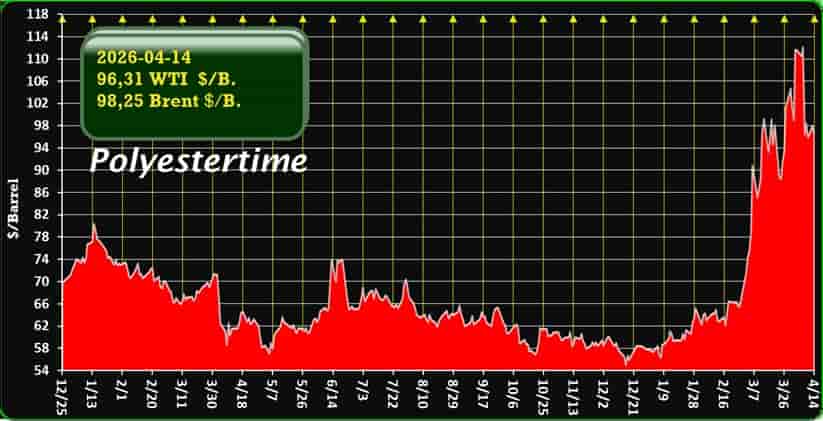
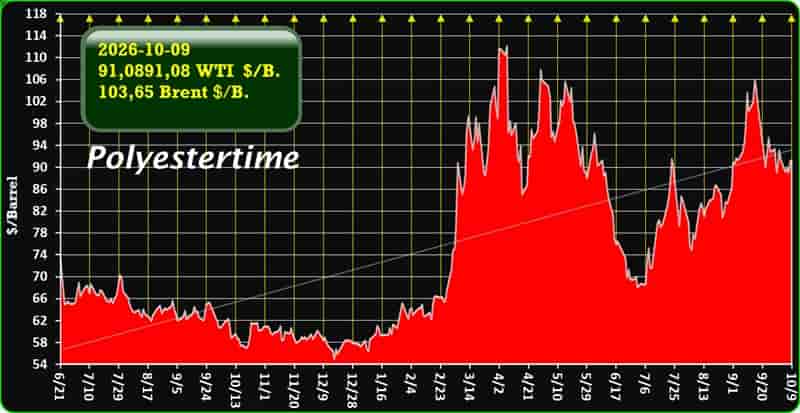
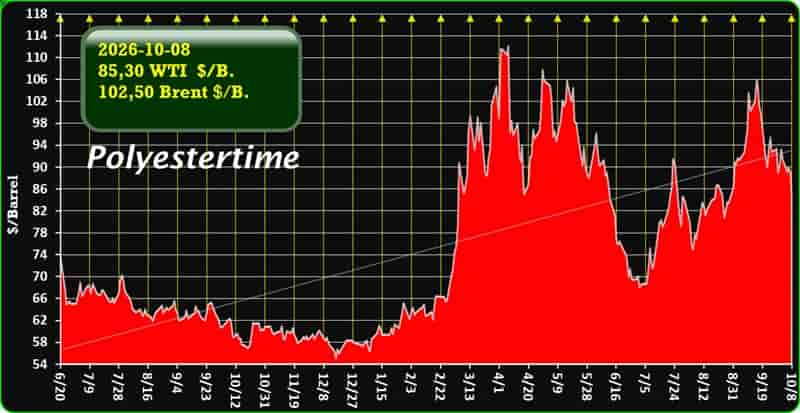
The oil price environment as of April 14, 2026 is characterized by elevated volatility, with Brent crude trading roughly between $95–105 per barrel and WTI fluctuating around $100–110 per barrel. This range reflects a market caught between tightening supply risks and intermittent easing of geopolitical tensions.
Recent sessions have seen sharp swings. Brent briefly climbed above $100 before retreating to around $98–99 per barrel, while WTI followed a similar pattern, dipping below $100 after recent highs . These movements highlight a market that is reactive, headline-driven, and highly sensitive to geopolitical developments.
Current Oil Price Movements
Drawing inspiration from historical price tables such as those on Investing.com, recent trading sessions illustrate the magnitude of volatility:
| Date (April 2026) | Brent Close ($/B) | Daily Change |
|---|---|---|
| Apr 13 | 99.36 | -3.64% |
| Apr 12 | 103.11 | +8.31% |
| Apr 10 | 95.20 | -0.75% |
| Apr 08 | 94.75 | -13.29% |
This data shows rapid reversals driven by macro events rather than structural shifts .
In parallel, WTI has occasionally traded at a premium to Brent, an unusual inversion signaling immediate supply tightness and strong demand for prompt delivery.
Key Drivers Behind Today’s Oil Price
1. Geopolitical Tensions in the Middle East
The dominant factor influencing the oil price is the ongoing U.S.–Iran conflict and the Strait of Hormuz situation. This critical chokepoint handles roughly 20% of global oil flows, making any disruption highly impactful.
- A recent U.S. naval blockade triggered a surge in oil prices above $100
- Subsequent signals of possible negotiations temporarily eased prices
This push-and-pull dynamic explains the current oscillation within the $95–105 range.
2. Supply Constraints and Physical Market Tightness
Despite short-term price dips, underlying supply conditions remain tight:
- Shipping disruptions and rerouting in the Gulf
- Reduced availability of easily transportable crude grades
- Elevated insurance and logistics costs
Regional benchmarks like Murban crude have even surged, indicating physical scarcity in key export hubs .
3. Global Demand Resilience
Demand remains structurally strong, particularly from:
- Asia (China and India recovering industrial demand)
- Aviation and transport sectors
- Petrochemical industries
Global oil consumption continues to exceed production in recent estimates, reinforcing upward pressure on the oil price.
4. OPEC+ Strategy and Market Balancing
While not the immediate trigger of volatility, OPEC+ remains a critical stabilizing force:
- Likely maintaining disciplined output levels
- Monitoring geopolitical risks before adjusting quotas
The group’s cautious stance supports a price floor near $90–95 per barrel.
5. Economic Data and Inflation Concerns
High oil price levels are feeding into broader macroeconomic concerns:
- Rising inflation expectations globally
- Pressure on energy-importing economies
- Potential slowdown risks if prices remain elevated
Countries heavily dependent on imports are already experiencing cost pressures and market uncertainty .
Investor Sentiment and Market Behavior
Investor sentiment is currently mixed and reactive:
- Short-term traders are driven by geopolitical headlines
- Institutional investors are beginning to question whether prices have peaked
According to market analysts, there are early signs that energy prices may be stabilizing after a strong rally earlier in 2026 .
However, volatility remains structurally high due to:
- Unpredictable geopolitical developments
- Tight physical supply
- Shifting futures market dynamics (backwardation)
Oil Price Outlook (Short-Term)
Looking ahead, the oil price trajectory will depend on a few critical variables:
Bullish Scenario
- Escalation in Middle East tensions
- Prolonged disruption in the Strait of Hormuz
- Continued supply tightness
→ Brent could move back toward $105–110+
Bearish Scenario
- Successful diplomatic negotiations
- Restoration of normal shipping flows
- Demand softening due to economic slowdown
→ Brent could stabilize closer to $90–95
Current forecasts suggest prices may hover around $95–100 in the near term, with upside risk dominating .
Implications for the Global Economy and Energy Markets
Sustained high oil price levels have wide-reaching consequences:
- Inflation pressure across developed and emerging economies
- Increased energy costs for industries and consumers
- Acceleration of energy transition investments
- Stronger revenues for oil-exporting nations
At the same time, volatility introduces uncertainty, making planning difficult for both policymakers and businesses.
Conclusion
The oil price landscape on April 14, 2026 reflects a market in tension between geopolitical risk and fragile stabilization signals. Brent and WTI remain anchored around $100, but with significant intraday volatility.
In the short term, the direction of oil price movements will largely hinge on geopolitical developments in the Middle East. For now, markets remain cautious, reactive, and highly sensitive—conditions that are likely to persist in the coming weeks.
More…