IEA Shock Decision: 400 Million Barrels Released as Global Oil Crisis Deepens
IEA Strategic Oil Reserves Release: Record 400 Million Barrels to Stabilize Oil Markets
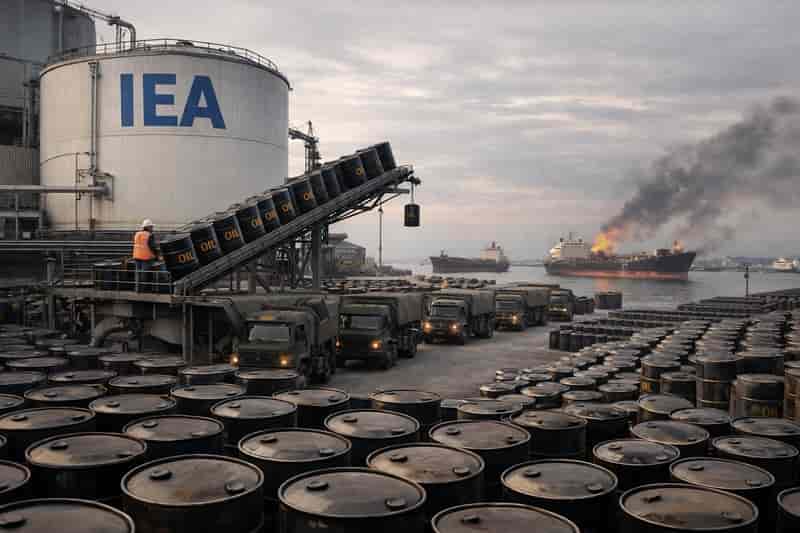
The IEA strategic oil reserves release announced by the International Energy Agency marks one of the most dramatic interventions in global energy markets in recent decades. In response to severe disruptions linked to escalating tensions in the Middle East, the agency confirmed that its 32 member countries will collectively release 400 million barrels of oil from emergency reserves.
This unprecedented action aims to calm volatile markets, reassure global supply chains, and prevent further spikes in energy prices. The decision represents the largest coordinated oil release ever organized by the International Energy Agency, more than double the 182 million barrels deployed following Russia’s invasion of Ukraine in 2022.
Why the IEA Strategic Oil Reserves Release Was Necessary
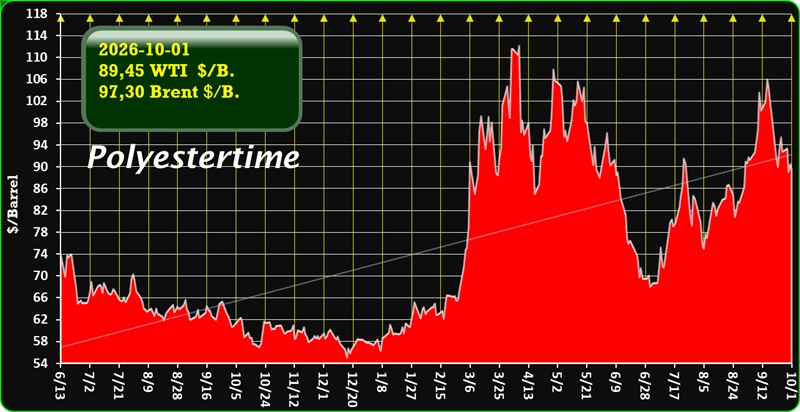
The IEA strategic oil reserves release was triggered by disruptions to energy flows caused by the ongoing conflict involving Iran and instability in the Persian Gulf region. The situation has severely affected shipping through the Strait of Hormuz, a narrow but critical maritime corridor connecting Gulf oil producers with global markets.
Under normal conditions, roughly 20 million barrels of oil and petroleum products pass through the Strait of Hormuz every day, accounting for about 25 percent of global seaborne crude oil trade. However, tensions in the region have drastically reduced shipments, with exports dropping to less than 10 percent of normal levels.
This dramatic reduction has forced energy producers in the region to scale back operations, while shipping companies and traders have become increasingly cautious due to rising security risks.
The IEA strategic oil reserves release is therefore intended as a rapid stabilization tool to compensate for the sudden drop in supply and prevent a cascade of market disruptions.
The Largest Oil Release in IEA History
The International Energy Agency confirmed that the IEA strategic oil reserves release represents a record-breaking intervention.
IEA Executive Director Fatih Birol emphasized the extraordinary nature of the decision. According to the agency, the current crisis requires a response equal in scale to the challenges facing global energy markets.
This operation will be the sixth coordinated emergency action in the organization’s history, following previous releases in:
-
1991 during the Gulf War
-
2005 after Hurricane Katrina
-
2011 during the Libyan civil war
-
Twice in 2022 following Russia’s invasion of Ukraine
However, the IEA strategic oil reserves release of 400 million barrels surpasses all previous actions by a wide margin.
How Strategic Oil Reserves Will Enter the Market
The emergency oil will not be released all at once. Instead, the IEA strategic oil reserves release will take place gradually, with each member country implementing the measure according to national logistical and regulatory frameworks.
Governments will coordinate their releases with additional emergency policies such as:
-
Temporary supply agreements
-
Strategic stock management adjustments
-
Coordination with national oil companies
-
Market stabilization policies
This coordinated approach allows the oil to enter global markets steadily, helping reduce volatility without creating new price distortions.
The Strategic Oil Reserves Available to IEA Countries
IEA member countries collectively possess one of the largest strategic oil safety nets in the world. According to the agency, participating nations currently hold:
-
More than 1.2 billion barrels of government-controlled strategic reserves
-
Around 600 million barrels of mandatory industry stocks
These reserves were originally created after the 1973 oil crisis to protect major economies from supply shocks and geopolitical disruptions.
The IEA strategic oil reserves release demonstrates how this system continues to function as a key pillar of global energy security.
Political Reactions from Europe and the G7
The announcement of the IEA strategic oil reserves release quickly triggered responses from political leaders across Europe and the G7.
Italian Prime Minister Giorgia Meloni described the decision as the largest mitigation measure ever adopted in the history of strategic oil reserves. She also confirmed that discussions on the crisis took place during a recent G7 meeting.
Italy has proposed expanding dialogue with Gulf countries to strengthen cooperation and ensure stability in the region’s energy flows. According to Meloni, partnerships with countries directly affected by the crisis will be essential to restoring stability.
French President Emmanuel Macron also commented on the scale of the operation. During a video conference of G7 leaders, he noted that the 400 million barrels correspond roughly to twenty days of oil exports normally passing through the Strait of Hormuz.
Meanwhile, European Union Energy Commissioner Dan Jørgensen welcomed the coordinated action, emphasizing the importance of international cooperation in times of crisis.
The Strait of Hormuz Remains the Critical Factor
Despite the IEA strategic oil reserves release, experts agree that the long-term stability of oil markets still depends heavily on the reopening and security of the Strait of Hormuz.
Fatih Birol stressed that while emergency reserves can temporarily ease pressure, the ultimate solution lies in restoring normal shipping flows through the region.
Without stable transit through the Strait, global oil supply chains remain vulnerable to sudden disruptions.
What the Oil Market Could Expect Next
The IEA strategic oil reserves release may help stabilize crude prices in the short term, particularly if traders perceive the intervention as strong enough to offset supply risks.
However, energy analysts caution that market volatility may continue if geopolitical tensions escalate or if shipping restrictions persist.
Oil markets are highly interconnected, meaning even localized disruptions can quickly ripple across global supply chains. For this reason, coordinated international responses such as the IEA strategic oil reserves release remain one of the most powerful tools available to governments facing large-scale energy shocks.
A Defining Test for Global Energy Security
The decision to deploy 400 million barrels of emergency reserves highlights the severity of the current geopolitical situation. It also underscores the continued relevance of strategic stockpiles as a safeguard against instability.
As the crisis evolves, the IEA strategic oil reserves release will likely be remembered as a defining moment in global energy policy—one demonstrating both the vulnerability of oil supply chains and the importance of coordinated international action.
Whether the intervention succeeds in calming markets will ultimately depend on the geopolitical developments surrounding the Strait of Hormuz and the broader Middle East conflict.
More…