India oil – Trump’s Allegation Sparks Political Fallout: Claims PM Modi Promised to Stop Buying Russian Oil Ignite Debate Over Sovereignty, Energy Security, and India’s Global Interests Now 16-10-2025
India oil
India rejects claim PM Modi vowed to stop buying Russian oil — official response stresses consumer interest and energy security
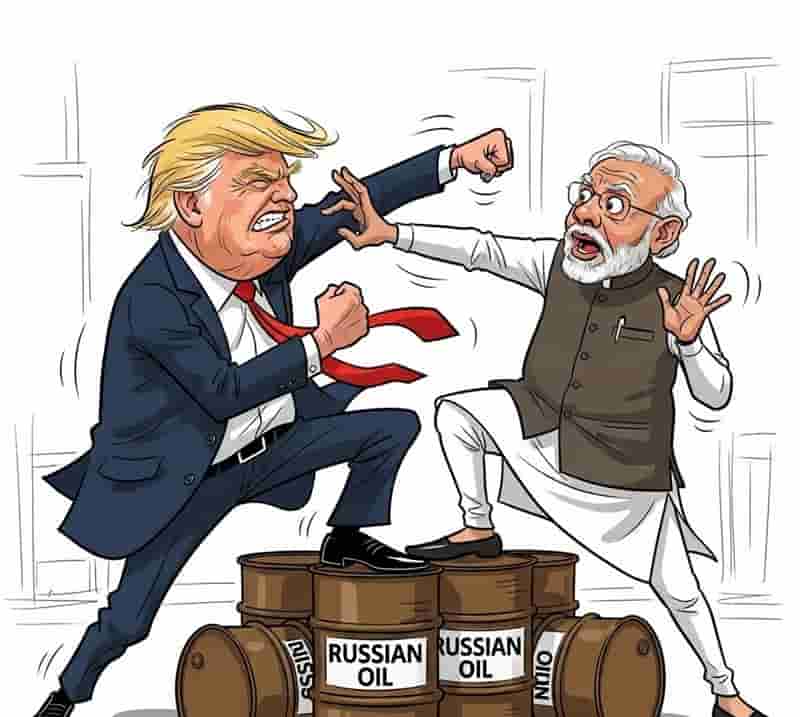
India pushed back strongly after US President Donald Trump said Prime Minister Narendra Modi had assured him India would stop buying Russian oil. New Delhi framed its position around consumer protection and stable supplies.
Official reply: energy policy guided by consumer interest
The Ministry of External Affairs made a concise rebuttal stressing that India’s import choices are driven by the need to protect consumers and ensure stable energy prices. The MEA spokesperson reiterated that India’s policy aims to “secure supplies and stable prices,” and that import decisions are made to meet market conditions.
In the official statement New Delhi emphasized the importance of diversification and market-driven procurement, underlining why the phrase India oil remains a central focus of national policy discussions.
What Trump said — and why it matters
President Trump publicly stated that Mr Modi had “assured me there will be no oil purchases from Russia,” adding that implementing such a change is a “process.” That comment sparked immediate debate in India about sovereignty, realpolitik and the practicalities of energy procurement.
Analysts point out that crude contracts, long-term logistics and refinery mixes make sudden policy reversals difficult — and that switching away from a supplier involves budgetary and timing consequences for consumers and industry alike. The current discussion highlights how central India oil sourcing is to both domestic politics and diplomacy.
Domestic political reactions
Opposition leaders seized on the statement, criticizing the government for perceived weakness. Social media amplified charges that Prime Minister Modi had yielded to U.S. pressure. Meanwhile, ministers from the ruling coalition defended India’s choices and called for a sober examination of energy realities.
“India is a significant importer of oil and gas. Our import policies are guided entirely by the objective of protecting the Indian consumer,” the MEA spokesperson said.
Domestic debate repeatedly referenced India oil imports as a lens to question both economic prudence and diplomatic standing.
Energy strategy: diversification, not capitulation
New Delhi has framed its approach as pragmatic: diversify suppliers, keep reserves healthy, and secure the best possible prices for citizens. In recent years India has expanded procurement from several regions and engaged in talks with multiple partners to broaden its energy base.
Officials say the country remains open to deeper energy collaboration with the U.S., but any changes will reflect market realities and long-term planning rather than immediate political pressure. The emphasis on India oil procurement as a technical and economic decision helps explain the official tone.
Trade and tariffs
The controversy comes against a background of trade tensions and tariff disputes that have complicated U.S.–India economic ties. Past disputes have at times been linked to energy sourcing, and the recent comments have revived old arguments about leverage and reciprocity.
International reaction and double standards
India’s foreign minister has repeatedly spotlighted what he calls “double standards” — questioning why Western reluctance to buy Russian energy did not translate into identical pressures on European importers. This assertion is now part of the broader public storyline around India oil choices and global expectations.
Market implications
Market watchers note that a unilateral and immediate halt to Russian purchases would ripple through refining margins, shipping contracts and regional price benchmarks. While political signaling matters, practical constraints such as term-contract obligations and refinery configurations keep the emphasis on gradual adjustment rather than abrupt change.
For stakeholders tracking India oil flows, the statement is a reminder that policy announcements and commercial realities follow different timelines.
What to watch next
| Indicator | Why it matters |
|---|---|
| Official talks between Delhi and Washington | Could clarify intent on energy cooperation and timing for any procurement shifts. |
| Refinery contract disclosures | Reveal how flexible existing supply chains are if changes are requested. |
| Domestic political messaging | Signals whether leaders will prioritize geopolitical alignment or consumer costs. |
Author note and sources
Reported from public statements and official communiqués. Quotations are paraphrased from Ministry releases and public remarks. For follow-up reporting on energy procurement and trade dynamics we will track official briefings and market disclosures related to India oil.
Call to action
Stay informed: subscribe for succinct alerts on policy shifts and market impacts tied to India’s energy imports. If you’re analyzing regional energy trends, export or bookmark this page for structured updates about India oil procurement and diplomacy.