US-Iran War and Oil Prices: Why Brent Near $98 and WTI at $96 Matter for Global Markets
Brent and WTI Climb Amid US-Iran Tensions: What It Means for Global Markets
US-Iran war oil prices
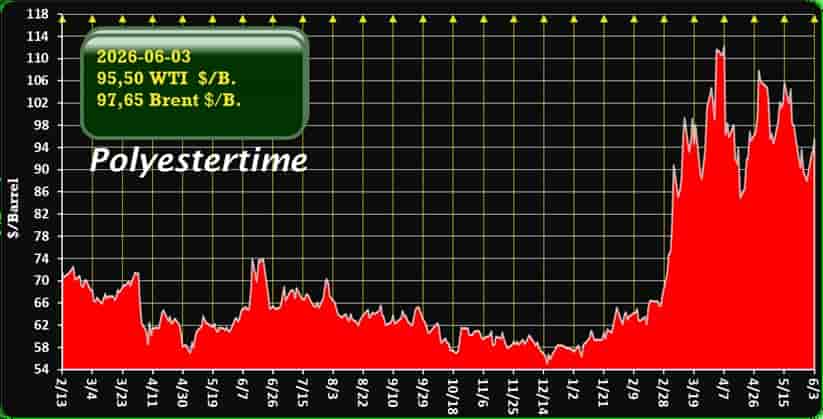
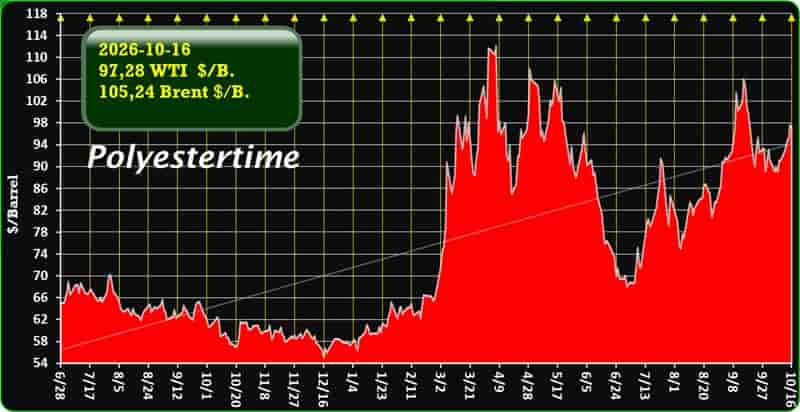
US-Iran War Pushes Oil Prices Higher: Brent Near $98 and WTI Around $96
Key Takeaways
- Brent crude is trading around $98 per barrel.
- WTI crude is trading around $96 per barrel.
- The ongoing US-Iran conflict remains the primary driver of oil market volatility.
- Concerns over disruptions in the Strait of Hormuz continue to support higher crude prices.
- Energy traders are closely monitoring military developments and diplomatic negotiations.
- Rising oil prices could increase inflationary pressures worldwide.
Why Oil Prices Are Rising Again
Global oil markets remain under pressure as tensions between the United States and Iran continue to generate uncertainty across the Middle East.
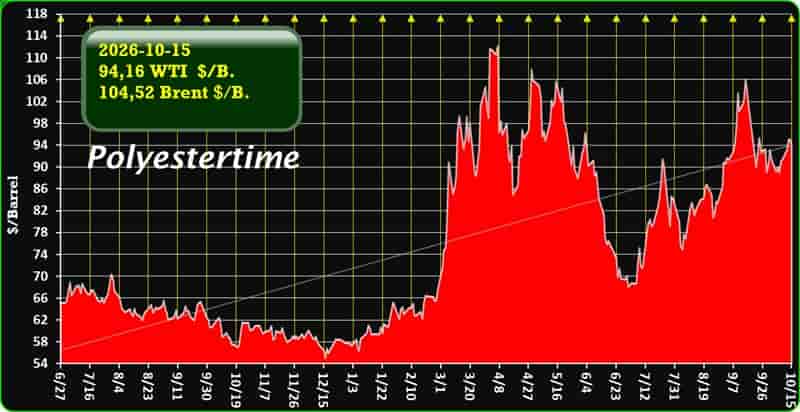
Brent crude, the international benchmark, is currently trading near $98 per barrel, while West Texas Intermediate (WTI), the main US benchmark, is hovering around $96 per barrel. The latest increase reflects growing concerns that the conflict could further disrupt energy supplies from one of the world’s most important oil-producing regions. Recent reports indicate renewed hostilities, limited progress in diplomatic talks, and continued risks to shipping traffic through the Strait of Hormuz.
The Strategic Importance of the Strait of Hormuz
The Strait of Hormuz remains the most critical factor influencing oil prices.
This narrow waterway connects the Persian Gulf with global markets and handles a significant share of the world’s seaborne oil exports. Any disruption, restriction, or threat to commercial shipping can quickly send crude prices higher as traders price in supply risks. Recent reports suggest that shipping operations remain under pressure and that uncertainty surrounding access to the strait continues to support a geopolitical risk premium in oil markets.
For investors and businesses, the key question is not current supply but whether future supply can be delivered reliably.
Latest Developments in the US-Iran Conflict
Recent days have seen a renewed escalation in military activity.
According to verified reports from Reuters, missile and drone attacks linked to the conflict have increased tensions across the Gulf region, while negotiations aimed at reducing hostilities have shown little progress. Oil traders reacted immediately, pushing crude prices higher amid fears that the situation could deteriorate further.
Market participants are particularly concerned about three factors:
1. Supply Disruption Risk
Any reduction in exports from the Gulf region could tighten global supply at a time when inventories are already being closely watched.
2. Shipping Costs
Higher insurance premiums and security concerns for tankers can increase transportation costs and ultimately affect energy prices worldwide. US-Iran war oil prices
3. Market Sentiment
Commodity markets often react before actual supply losses occur. Even the perception of increased risk can drive prices significantly higher.
Brent and WTI: What the Current Prices Mean
With Brent near $98 and WTI around $96, oil prices are approaching levels that could have broader economic consequences.
Historically, sustained prices above $90-$100 per barrel tend to:
- Increase fuel costs for consumers.
- Raise transportation expenses for businesses.
- Put upward pressure on inflation.
- Affect central bank policy decisions.
- Slow economic growth in oil-importing nations.
The current market environment reflects a combination of geopolitical uncertainty and concerns about future supply availability rather than a sudden physical shortage of oil.
Could Oil Reach $100 Per Barrel Again?
The possibility cannot be ruled out.
Several analysts believe that further escalation in the US-Iran conflict or additional disruptions in the Strait of Hormuz could push Brent above the psychologically important $100-per-barrel level. Markets have repeatedly demonstrated sensitivity to developments in the region, with oil prices experiencing sharp swings in response to military and diplomatic headlines.
However, any meaningful progress in negotiations could also trigger a rapid correction lower, as traders remove part of the geopolitical risk premium currently embedded in prices.
Impact on the Global Economy
Higher oil prices affect far more than energy companies.
The consequences can extend across multiple sectors:
Transportation
Airlines, shipping companies, and logistics operators typically face higher operating costs.
Manufacturing
Industries that rely heavily on energy and petroleum-based products may experience margin pressure.
Consumers
Rising gasoline and diesel prices can reduce household purchasing power.
Financial Markets
Persistent energy inflation may influence interest rate expectations and investor sentiment.
For governments, balancing energy security and economic stability becomes increasingly challenging when geopolitical tensions drive commodity markets.
What Investors Should Watch Next
Several developments could determine the direction of oil prices during the coming weeks:
- Progress or setbacks in US-Iran negotiations.
- Security conditions in the Strait of Hormuz.
- Official oil inventory data from major consuming nations.
- OPEC+ production decisions.
- Global demand trends during the summer travel season.
Any combination of supply concerns and strong demand could maintain upward pressure on crude prices.
Outlook
The oil market remains highly sensitive to developments in the US-Iran conflict.
With Brent trading around $98 per barrel and WTI near $96, investors are clearly pricing in a significant geopolitical risk premium. While no major supply collapse has occurred, uncertainty surrounding the Strait of Hormuz and ongoing military tensions continues to support elevated prices.
Unless diplomatic progress reduces regional tensions, oil is likely to remain volatile. Businesses, investors, and consumers should prepare for continued fluctuations as global energy markets respond to each new development.
Oil Prices and the US-Iran Conflict: Why Brent Is Near $94 and WTI Above $91
More…