Injection Molding – Dow Introduces Alternative to Fluoropolymer-Based PPAs in Film Packaging Dow has launched a new processing aid that aims to reduce reliance on fluoropolymer-based additives while ensuring food safety and production efficiency 26-09-2025
Injection Molding
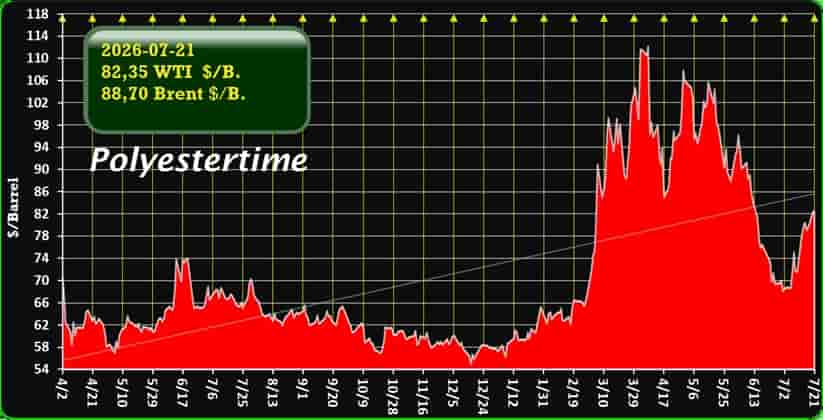
Crude Oil Prices Trend

Dow Introduces Alternative to Fluoropolymer-Based PPAs in Film Packaging
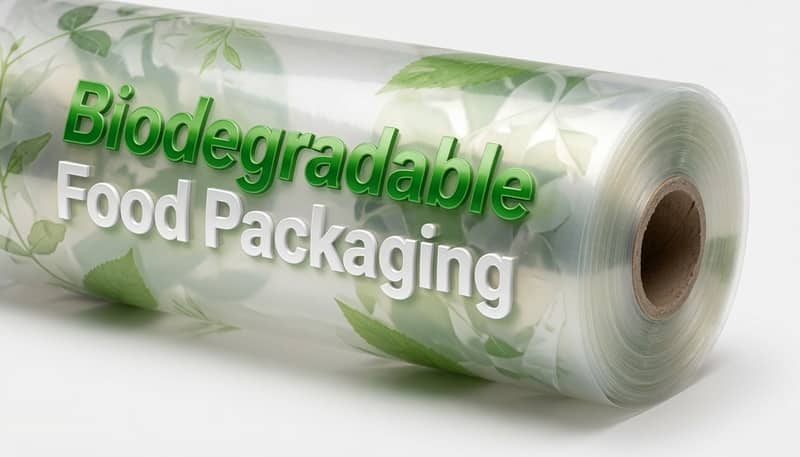
Dow has launched a new processing aid that aims to reduce reliance on fluoropolymer-based additives while ensuring food safety and production efficiency.
Introduction
Dow has announced the launch of its DOWSIL 5-1050 Polymer Processing Aid (PPA), a breakthrough solution designed for the growing demand in film packaging that avoids fluoropolymer-based additives. Injection Molding
This development marks a step toward more sustainable, compliant, and high-performing packaging solutions in the plastics industry.
Why This Development Matters
Traditional PPAs used in film packaging often rely on fluoropolymer materials, which face increasing scrutiny due to environmental and regulatory concerns. By providing a fluoropolymer-free alternative, Dow addresses both industry performance requirements and the rising call for safer, eco-conscious solutions.
“This is not only about improving film quality—it’s about shaping the future of sustainable packaging.” – Dow spokesperson
Inside the DOWSIL 5-1050 PPA
The new PPA uses a silicone additive in a polyethylene carrier, supplied as a masterbatch for easy integration into existing extrusion processes. Designed for industrial-scale use, it ensures a seamless transition for manufacturers without major changes in processing equipment.
Key Benefits and Features
- Reduced melt fracture and haze: Produces films with smoother surfaces and enhanced optics.
- Die lip build-up suppression: Improves consistency and lowers production downtime. Injection Molding
- Lower die pressure: Enhances overall extrusion efficiency.
- Industrial scalability: Proven effectiveness under real-world manufacturing conditions.
These benefits make the product attractive not just for compliance reasons, but also for operational efficiency and cost savings.
Food Contact Safety Compliance
Dow confirms that DOWSIL 5-1050 PPA complies with:
| Regulation | Region | Scope |
|---|---|---|
| EC 10/2011 | European Union | Food contact safety in plastics |
| FDA 21 CFR 174.5 | United States | Indirect food additives, general provisions |
This ensures manufacturers can confidently apply the material in food packaging applications across major global markets.
Other Alternatives in the Market
Dow’s launch comes at a time when the packaging industry is actively seeking alternatives to PFAS and other harmful substances. Recent innovations include:
Northwestern University’s Water and Oil-Resistant Material
Earlier this year, researchers developed a paper-based coating that enhances barrier properties against oil and water while strengthening food packaging. Injection Molding
This innovation presents a potential replacement for toxic PFAS in consumer applications.
Ampacet’s PROFLOW 1611
In this month’s industry spotlight, Ampacet introduced its PROFLOW 1611 PPA, designed for high-heat extrusion. Like Dow’s alternative, it is free from fluoropolymers and compliant with EC, FDA, and Mercosur regulations.
The Future of Sustainable Film Packaging
As governments, consumers, and manufacturers push for safer packaging, fluoropolymer-free PPAs are becoming essential. The combination of performance, compliance, and sustainability makes these new solutions critical for the next generation of packaging technology.
Experts predict that synergy between academic research and industrial innovation will accelerate the replacement of harmful substances in plastics. Companies like Dow and Ampacet are paving the way with viable solutions that align with global safety and sustainability standards. Injection Molding
Conclusion
Dow’s introduction of DOWSIL 5-1050 Polymer Processing Aid is a significant step toward making film packaging safer, more efficient, and environmentally responsible. Alongside other market alternatives, this innovation signals a strong shift toward sustainable packaging practices—a change that benefits both industry players and consumers worldwide.

TOMRA acquires C&C Consolidated Holdings (CLYNK): Expanding U.S. bag drop recycling
Executive Summary
TOMRA, a global leader in resource recovery, has announced the acquisition of C&C Consolidated Holdings, LLC, best known for its CLYNK bag drop recycling system. The move signals TOMRA’s deeper commitment to the U.S. market and consumer-friendly container redemption methods. Injection Molding
The acquisition will merge C&C’s innovative bag drop technology with TOMRA’s extensive network of reverse vending and recycling infrastructure, potentially transforming how Americans return beverage containers.
The Deal at a Glance
- Acquirer: TOMRA Collection
- Target: C&C Consolidated Holdings, LLC (CLYNK brand)
- Business: Provider of bag drop solutions for beverage container returns in the U.S.
- Market focus: Northeastern United States
- Founded: 2006
“This acquisition strengthens our North American market position and enhances our ability to provide innovative recycling solutions,” said Marius Fraurud, EVP TOMRA Collection. Injection Molding
Background on C&C and CLYNK
Founded in 2006, C&C and its subsidiaries developed the CLYNK bag drop network, focused mainly in the northeastern U.S. Retailers provide consumers with designated drop points. Bags of empty beverage containers are left at these points, collected, transported, and processed at material recovery facilities (MRFs).
The CLYNK digital platform credits refunds directly to consumers’ accounts, integrating tightly with retail partners. This digital-first approach improves convenience and reduces operational costs for retailers while keeping customers engaged. Injection Molding
Bag Drop Technology Explained
Bag drop systems allow consumers to deposit entire bags of used beverage containers in a single step, without waiting at machines or counting by hand.
Process overview
- Consumers register bags via an app or kiosk, tagging them for identification.
- Bags are dropped at participating stores or redemption points.
- Transported bags arrive at MRFs, where containers are counted and validated.
- Refunds are credited digitally to consumer accounts.
This approach complements reverse vending machines and provides scale advantages for busy retail environments. Injection Molding
Impact on TOMRA and U.S. Recycling
The acquisition significantly increases TOMRA’s footprint in the U.S., where container deposit systems vary by state. By integrating CLYNK into TOMRA’s portfolio, the company can:
- Expand its retail partnerships across states with bottle bills.
- Offer more convenient recycling experiences to consumers.
- Collect higher volumes of containers efficiently, supporting circular economy goals. Injection Molding
The deal comes at a time of growing pressure for higher redemption rates and public policy momentum favoring deposit-return systems (DRS).
Strategic and Financial Considerations
Although financial terms have not been publicly disclosed, TOMRA highlights synergy opportunities in operations, logistics, and digital services. C&C’s established network and TOMRA’s scale can deliver efficiencies:
- Reduced per-bottle handling costs.
- Better utilization of transportation and processing infrastructure.
- Integration of CLYNK’s digital customer engagement into TOMRA’s global ecosystem.
This acquisition positions TOMRA to capture more of the U.S. deposit refund flow while cementing its role as a technology leader in circular packaging.
User Experience & Digital Integration
The digital-first approach of CLYNK ensures consumers receive seamless refunds via apps or online platforms. Retailers benefit by offering eco-friendly services while keeping customers engaged with loyalty features tied to recycling behavior.
For consumers, the key advantage is time saved. Instead of waiting at a reverse vending machine, they can drop a bag and continue shopping, receiving refunds asynchronously.
Performance & Technical Considerations
For publishers covering TOMRA’s acquisition, website performance and technical clarity help maximize visibility. Suggested steps:
- Preload hero images and compress them into WebP/AVIF. Injection Molding
- Reserve image space with CSS to prevent layout shifts (CLS).
- Defer non-essential scripts for faster interactivity (INP).
- Use semantic headings and concise paragraphs to aid scanning on mobile devices.
Trackability & Reusability
Implement analytics that monitor engagement on Table of Contents clicks, quote block expansions, and call-to-action links. Store this content structure as a reusable Gutenberg block pattern for future coverage of recycling and circular economy acquisitions. Injection Molding
Conclusion
TOMRA’s acquisition of C&C Consolidated Holdings (CLYNK) underscores a clear trend: recycling must become more convenient, digital, and scalable. Bag drop systems offer a consumer-friendly complement to reverse vending, aligning with growing policy and retail interest in deposit-return expansion across North America.
Carbios revives Longlaville PET recycling plant — timeline, funding and industry impact
Summary
Carbios says it expects to restart construction of its 50,000 t/yr PET depolymerisation plant in Longlaville by the end of 2025, targeting commissioning in H2 2027.
After delaying the project in early 2025 because of funding timing, Carbios cited France’s new rules rewarding locally produced recycled plastics as a key reason to recommit to the site. Injection Molding
The company still awaits the release of ~€42.5m in public support (France 2030 and Grand Est regional aid), and is moving forward while growing pre-sales momentum.
Project timeline & funding
Construction was paused earlier in 2025 after Carbios postponed the Longlaville plant by six to nine months due to funding delays. Management now expects construction to resume before the end of 2025, conditional on unlocking committed public funds — notably €30m from France 2030 and €12.5m from the Grand-Est region. The company’s revised plan assumes funds will be released within months so the plant can be commissioned in the second half of 2027.
To secure additional non-dilutive financing, Carbios is also progressing commercial pre-sales. Potential funders want binding offtake coverage for a significant portion of the 50,000 t/yr capacity before committing.
The company says France’s new incentive rules — premiums for locally produced recycled resin — should accelerate buyer commitments. Injection Molding
The technology and capacity
Carbios uses an enzymatic depolymerisation process that breaks PET down into its building blocks and reassembles virgin-equivalent material — without solvents. The planned Longlaville facility will handle roughly 50,000 tonnes of post-consumer PET per year (equivalent to billions of bottles/trays) and sits on land that could allow future expansion. This chemical/enzymatic route produces r-PET that Carbios says matches virgin quality better than mechanical recycling.
Market & regulation that changed the game
France’s new legislative rules (effective Jan 1, 2026) create financial rewards for manufacturers using locally produced recycled plastics. Premiums can be substantial for hard-to-recycle resins used in contact-sensitive packaging (with transitional values for 2026–27). Injection Molding
To qualify, recycled material must be produced within 1,500 km of a central French coordinate and either inside the EU or in a country meeting equivalent standards. Carbios expects these rules to strengthen demand for its chemically recycled PET and help close pre-sales.
Financial outlook & corporate health
Carbios reported modest revenues in 2024 but posted losses (reported as ~€33m in 2024). The company implemented cost control measures in December 2024, including workforce reductions, and reported a cash position of €72m as of June 30, 2025 — enough, management says, for over 12 months of runway. Leadership highlights improved balance-sheet discipline and growing commercial momentum as reasons to move ahead.
“Our well-controlled expenses and our solid cash position allows us to move forward with confidence,” said CEO Vincent Kamel. Injection Molding
Lanxess Ready to Sell Envalior Stake to Advent International
Overview of the Decision
Lanxess, the German specialty chemicals group, has announced its intention to exercise its option to sell its 40.94% minority stake in the joint venture Envalior. The stake will be sold to the company’s partner, Advent International, for a total of €1.2 billion.
The decision comes two years after Lanxess contributed its High Performance Materials division to form the joint venture.
The transaction will significantly reshape ownership of one of the leading players in the engineering plastics market. Injection Molding
Deal Structure and Valuation
The €1.2 billion valuation represents the residual value of the High Performance Materials division Lanxess contributed at the time of Envalior’s creation. The final price, however, may be subject to adjustments depending on Envalior’s EBITDA performance prior to completion of the transaction.
The agreements also allow for flexibility in case the sale is delayed, giving both parties multiple windows to finalize the deal in later years.
Timeline of Sale Options
The contractual agreements between Lanxess and Advent International set out a multi-year framework for completing the transaction:
- 2026: Lanxess exercises its option to sell its 40.94% stake.
- 2027: Advent gains the right to acquire the shares at the same price set for 2026. Injection Molding
- 2028: Lanxess regains the right to sell at least 50% of its shares, with the price adjusted based on a comparison between historical EBITDA and April 1, 2028 EBITDA.
This staged approach ensures flexibility for both parties, while providing Lanxess a clear path to monetize its stake over time.
Financial Implications
In addition to the sale price, the agreements cover financial obligations tied to Envalior’s founding. A €200 million shareholder loan issued during the creation of the joint venture, along with accrued interest, will need to be repaid by Advent in 2028, proportionate to the shares Lanxess sells at that time. Injection Molding
This arrangement ensures that Envalior’s financial structure remains balanced while Lanxess secures fair value for its divestment.
History of Envalior
Envalior was established on April 1, 2023, through the merger of Lanxess’s High Performance Materials division and DSM’s Engineering Materials division, combined with an equity investment by Advent International.
At the time, Lanxess valued its contribution at €2.5 billion. In exchange, the company received €1.3 billion in cash and a 40.94% equity stake in the new joint venture.
Envalior’s Operations and Divisions
With revenues of approximately €3 billion and a workforce of 4,000 employees, Envalior has become one of the world’s leading producers of engineering plastics. The company operates across three core divisions:
- Performance Materials – focused on high-volume plastics for industrial and consumer applications. Injection Molding
- Specialty Materials – producing advanced, high-performance polymers tailored to demanding applications.
- Intermediates – supplying essential chemical inputs for downstream production.
Envalior’s global footprint includes 18 production sites, 14 R&D centers, and a network of sales offices across Europe, Asia, and the Americas.
Future Outlook
The sale of Lanxess’s stake in Envalior marks a turning point for both companies. For Lanxess, the divestment frees up capital for reinvestment into specialty chemicals and strategic growth areas. For Advent International, full ownership of Envalior provides an opportunity to further consolidate and expand the company’s role in the global engineering plastics market. Injection Molding
As regulatory pressures and sustainability demands reshape the plastics sector, Envalior is well-positioned to adapt with its diversified portfolio, advanced R&D capabilities, and global production footprint.

Röhm’s Europe-Wide PMMA Recycling Alliance Gains Strong Industry Momentum
Overview of the PMMA Recycling Alliance
In 2024, Röhm launched a Europe-wide recycling alliance for polymethyl methacrylate (PMMA) in partnership with industry leaders across the plastics sector. The initiative aims to create a closed-loop recycling system that captures post-consumer and end-user PMMA waste, turning it into high-quality raw materials for new applications.
Since its formation, the alliance has seen growing demand and participation across Europe, reflecting a shift in the industry toward circular economy solutions and sustainable material management. Injection Molding
Progress Since Launch
The alliance has already made measurable progress. PMMA recovery rates across Europe have significantly increased thanks to improved collection and sorting systems that allow for more efficient recycling. The alliance supports both mechanical recycling methods currently in operation and chemical recycling methods under development.
“We’re delighted that our joint initiative has energized the market. Several PMMA processors are thankful to now have access to a recycling system within Europe and are increasingly avoiding exports outside the EU,” said Heiko Pfister, Managing Director of Pekutherm. Injection Molding
Advancing the PMMA Circular Economy
PMMA, often used in automotive lighting, construction, and consumer products, has traditionally been difficult to recycle at scale. Röhm and its partners are tackling this challenge with a coordinated system that makes recycling economically and technically viable. By doing so, the alliance is paving the way for a circular economy model where PMMA can be reused multiple times without losing its performance qualities.
The closed-loop approach reduces reliance on virgin raw materials, cuts carbon emissions, and aligns with Europe’s broader climate goals.
Automotive Sector Applications
One of the alliance’s most promising focus areas is the automotive industry.
Röhm has worked closely with suppliers and OEMs to integrate recycled PMMA into vehicle components, demonstrating that sustainability and high performance can go hand in hand.
Through collaboration with Valeo and the Renault Group’s consortium, The Future Is NEUTRAL™, a prototype taillight made from recycled PMMA has been developed. This initiative showcases how industry collaboration can transform end-of-life vehicle components into new, high-value applications. Injection Molding
Recycled Taillight Prototype
The project involved a cross-industry effort:
- The Future Is NEUTRAL™ provided end-of-life taillights for recycling.
- Röhm developed new material formulations containing 30% mechanically recycled content.
- Valeo manufactured the demonstrator taillights using these recycled materials.
The prototype will be showcased at the upcoming K Trade Fair in October, underlining the importance of recycling innovation at one of the plastics industry’s largest global events.
Exploring Chemical Recycling
A second phase of testing is already underway. Röhm is preparing to compare chemically recycled taillights with mechanically recycled ones, in order to evaluate performance, durability, and scalability. Injection Molding
This dual approach highlights the alliance’s commitment to building flexible recycling solutions that can adapt to different industrial needs.
“We want to leverage the activities and expertise of our recycling alliance to directly compare both recycling approaches,” said Sven Schröbel, Head of Sustainability Management for Röhm’s Molding Compounds unit.
Regulatory and Policy Drivers
The momentum behind the alliance is reinforced by European Union regulations. The European Parliament recently advanced revisions to the End-of-Life Vehicle Regulation (ELVR), which will require future vehicles to contain at least 20% plastics sourced from post-consumer waste. Up to 50% of this quota may come from pre-consumer recycled materials. Injection Molding
These regulatory pressures create both challenges and opportunities for automakers. With the alliance’s recycling infrastructure, Röhm and its partners are helping the industry meet these ambitious targets while also reducing environmental impact.
Future Outlook for Sustainable Plastics
As a founding member of the recycling alliance, Röhm is positioning itself as a leader in sustainable plastics innovation. The company’s collaboration with Valeo, Renault, and other partners demonstrates that circular economy principles are not just theoretical, but can be implemented at scale with tangible results. Injection Molding
Looking forward, the alliance will continue to explore advanced recycling technologies, expand its collection network, and engage with policymakers to support a stronger circular economy framework across Europe.
The role of The Future Is NEUTRAL™ consortium, established by Renault Group, further underscores the importance of cross-sector collaboration in achieving long-term sustainability goals. By pooling expertise and resources, the consortium aims to significantly increase the share of recycled materials in new vehicles and beyond.

OQ and Milliken Jointly Launch Clarified Random Copolymer for Injection Molding
Introduction
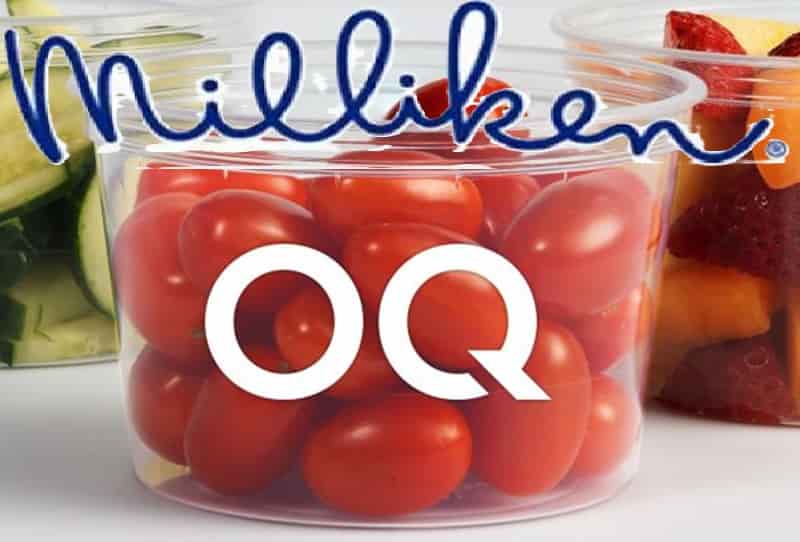
Global industries are under increasing pressure to innovate sustainably while maintaining efficiency and high product quality. Addressing these needs, OQ, an energy investment and development company, has partnered with Milliken & Company, a diversified global manufacturer, to launch a new clarified random copolymer designed specifically for injection molding applications.
The new grade, Luban RP2251T, combines OQ’s expertise in polymer development with Milliken’s Millad® NX® 8000 ECO clarifying technology. The result is a high-performance material that delivers exceptional transparency while offering lower processing temperatures, reduced cycle times, and measurable energy savings. Injection Molding
Innovation in Polymer Manufacturing
The polymer industry has long sought materials that can balance aesthetic clarity, performance, and energy efficiency. Traditional clarifying agents often require higher processing temperatures, leading to increased energy consumption and longer production times. With Millad NX 8000 ECO, however, manufacturers can now process polypropylene at significantly lower temperatures without sacrificing quality.
This breakthrough represents a step forward in aligning industrial innovation with global megatrends, particularly the shift toward sustainable and reusable products.
Sustainability and Energy Savings
One of the most compelling benefits of Luban RP2251T is its ability to contribute directly to energy-efficient manufacturing. Injection Molding
By enabling lower-temperature processing, converters can reduce energy consumption by up to 10%, while also shortening cycle times. This translates into significant cost savings and lower environmental impact.
“From product development to full commercialization, we are proud to collaborate with OQ to introduce their first injection molding grade made with our Millad clarifying agent,” said Maria Di Nolfo, Europe Sales Director at Milliken.
Such innovations not only support manufacturers but also help meet evolving regulatory standards and consumer expectations for eco-friendly products. Injection Molding
Applications and Market Impact
Luban RP2251T is especially well-suited for thin-walled packaging, where transparency and organoleptic performance are critical. These properties make it a natural fit for food packaging, reusable consumer goods, and other applications where clarity, safety, and sustainability intersect.
As demand grows for sustainable packaging solutions, Luban RP2251T offers manufacturers a way to deliver high-quality products that align with circular economy goals while improving operational efficiency. Injection Molding
Statements from Industry Leaders
Executives from both OQ and Milliken emphasized the strategic importance of this partnership.
“At OQ, we’re driven by innovation that delivers real-world performance, sustainability benefits and solutions for global megatrends. Luban RP2251T is a great example of how OQ and Milliken are advancing polymer performance, combining excellent clarity with lower energy use and faster cycle times,” said Abdulrahman Al Tamtami, VP Global Marketing at OQ.
These remarks highlight the industry’s shift from incremental improvements to transformative innovations that simultaneously improve performance and reduce environmental impact. Injection Molding
Technical Advantages of Luban RP2251T
The addition of Millad clarifying agent provides multiple technical benefits that distinguish Luban RP2251T from competing grades:
- Improved transparency for crystal-clear packaging and consumer products.
- Organoleptic performance that meets stringent food-contact requirements.
- Lower processing temperatures compared to other clarified grades.
- Shorter cycle times, leading to productivity gains.
- Energy and cost savings of up to 10%. Injection Molding
Together, these advantages make the grade a competitive solution for converters aiming to balance quality, performance, and sustainability.
Future Outlook
As global industries move toward low-carbon operations and sustainable production practices, materials like Luban RP2251T will play a critical role. By enabling manufacturers to reduce costs and energy usage while delivering superior performance, OQ and Milliken have positioned themselves at the forefront of polymer innovation.
The introduction of Luban RP2251T is not just a product launch—it signals a broader commitment to sustainable growth, responsible manufacturing, and market-ready innovation that benefits both businesses and the planet. Injection Molding