Low-Emissions Hydrogen Projects Set to Grow Despite Cancellations IEA’s 2025 Global Hydrogen Review shows that while low-emissions hydrogen projects face delays and cancellations, the sector is still on track for strong growth by 2030 16-09-2025
Low-Emissions Hydrogen
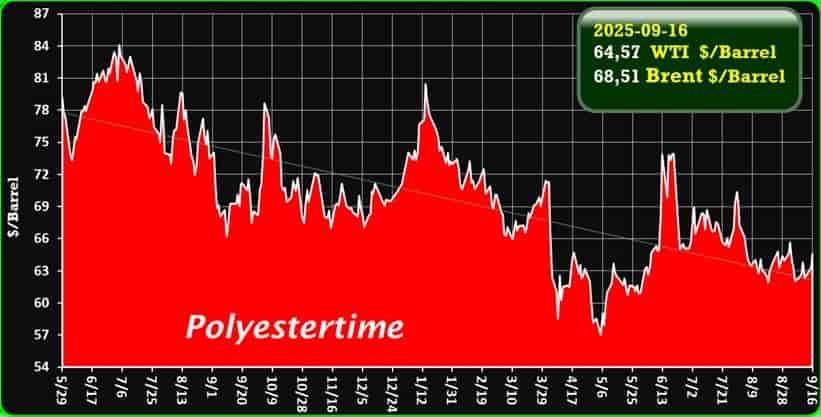
Crude Oil Prices Trend
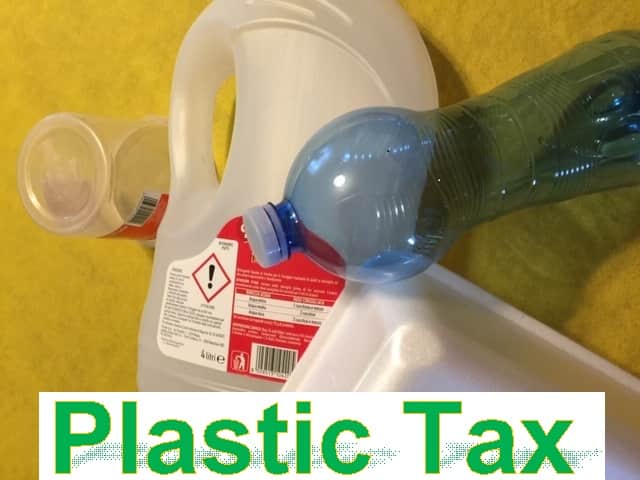
Industry Groups Oppose EU Plastics Tax Increase
EuPC, PlasticsEurope, and Petcore Europe urge the European Commission not to raise the plastics tax on non-recycled packaging.
Background on the EU Plastics Tax
The European Union introduced a plastics tax targeting non-recycled plastic packaging waste, with Member States paying a levy for every kilogram of unrecovered material. This measure, implemented to incentivize recycling and support sustainability efforts, currently stands at €0.80 per kilogram. Low-Emissions Hydrogen
In 2023 alone, this tax generated approximately €7.2 billion in revenue across the Union. Under the European Commission’s proposed 2028–2034 long-term budget, the rate would rise to €1 per kilogram.
This tax is paid by Member States, rather than directly by packaging producers, although Spain is an exception, passing the cost down the supply chain to companies.
Industry Pushback Against the Tax Increase
Three major associations representing Europe’s plastics sector—EuPC (European Plastics Converters), PlasticsEurope, and Petcore Europe—have voiced firm opposition to the proposed tax hike. Low-Emissions Hydrogen
They argue that increasing the levy would not necessarily deliver the intended environmental benefits. Instead, it could divert critical investments away from the recycling infrastructure needed to boost plastic recovery rates across the continent.
“An increase in the plastics tax might undermine the very transition to circularity it aims to support,” the associations warn.
The groups contend that higher taxes might push Member States to search for alternative revenue streams unrelated to recycling or waste reduction, ultimately slowing progress toward EU sustainability goals. Low-Emissions Hydrogen
Calls to Allocate Tax Revenue to Circular Economy
Alongside their opposition to raising the tax rate, the three associations are calling for a fundamental shift in how the existing tax revenue is used. Rather than flowing into general EU budgets, they propose that the funds be earmarked specifically for building a robust circular economy for plastics.
This would include investments in collection systems, sorting facilities, chemical and mechanical recycling plants, and research into innovative reuse and material recovery solutions. The idea is to directly link the tax revenue with measurable improvements in plastic waste reduction and recycling rates.
Request for a Formal Impact Assessment
The industry groups have also requested that the European Commission carry out a comprehensive impact assessment before implementing any tax changes. They argue that such an evaluation is essential to understand the economic consequences along the plastics manufacturing supply chain. Low-Emissions Hydrogen
Specifically, they want the assessment to examine how a higher plastics tax could affect the competitiveness of European plastics producers and processors relative to non-EU competitors operating with lower energy, labor, and environmental compliance costs.
Their concern is that policy decisions made without clear data on these impacts could unintentionally harm the very industries needed to drive Europe’s circular economy transformation.
Economic Concerns and Competitiveness Challenges
The pushback from industry groups also reflects broader economic anxieties within Europe’s manufacturing base. Energy costs remain significantly higher in the EU than in many competing regions, while labor expenses and environmental compliance requirements continue to rise. Low-Emissions Hydrogen
These pressures have already contributed to declining competitiveness and have led to plant closures across the plastics production, processing, and recycling sectors. Companies are increasingly struggling to maintain profitability under these conditions.
Adding further tax burdens, the groups argue, would compound these challenges and could accelerate the loss of industrial capacity to regions with more favorable cost structures.
Risk of Deindustrialization in the EU
The associations warn that the EU is facing a growing risk of deindustrialization—where the departure or closure of manufacturing operations erodes Europe’s industrial base. This is especially concerning for strategic sectors like plastics, which are central to many value chains and industries. Low-Emissions Hydrogen
If companies continue relocating production outside of the EU, it could not only undermine Europe’s self-sufficiency in critical materials but also result in higher global emissions, as production shifts to regions with less stringent environmental standards.
Maintaining a competitive and sustainable plastics industry within the EU is therefore seen as vital both for economic security and for meeting climate and circularity targets.
Future Outlook for EU Plastics Policy
The debate over the plastics tax is unfolding against the backdrop of broader EU initiatives to promote circularity and reduce environmental impacts from materials. Upcoming policies, such as extended producer responsibility schemes and stricter recycled content mandates, will shape how companies design, produce, and recover packaging.
For industry stakeholders, the priority is ensuring that policy tools work together rather than against one another. Low-Emissions Hydrogen
They emphasize that without predictable conditions and targeted reinvestment of tax revenues, achieving a circular plastics economy will remain out of reach.
As the European Commission considers its next steps, the clash between fiscal policy and industrial competitiveness will be central to the discussion. The outcome will significantly influence Europe’s ability to maintain its industrial base while advancing toward sustainability objectives.
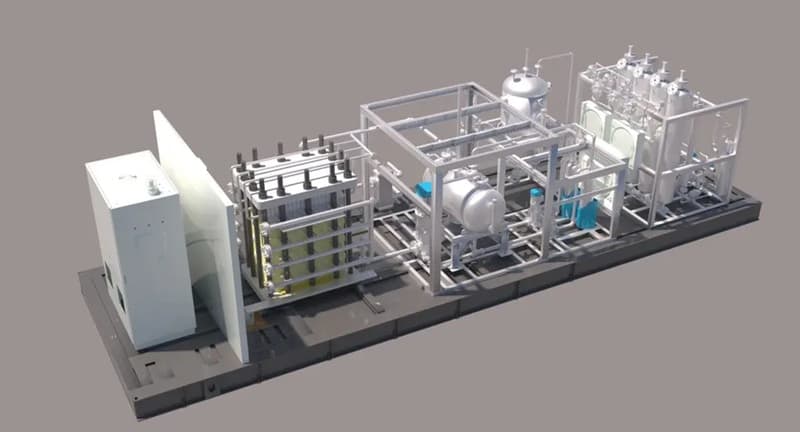
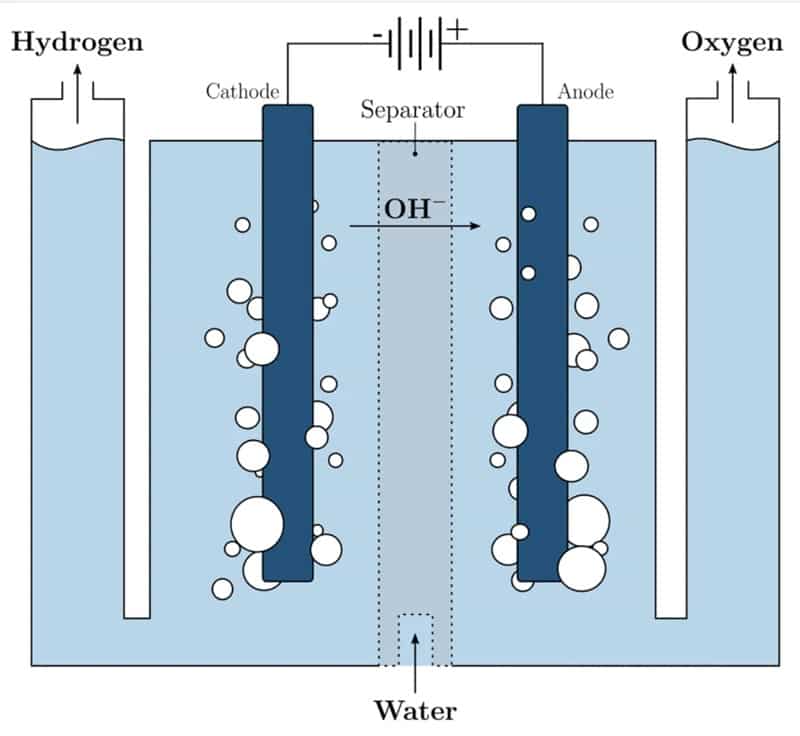
Low-Emissions Hydrogen Projects Set to Grow Despite Cancellations
IEA’s 2025 Global Hydrogen Review shows that while low-emissions hydrogen projects face delays and cancellations, the sector is still on track for strong growth by 2030.
Global Hydrogen Demand on the Rise
According to the International Energy Agency’s (IEA) 2025 Global Hydrogen Review, global hydrogen demand reached nearly 100 million tonnes in 2024, up 2% from 2023. This growth mirrors the overall rise in energy demand worldwide.
Most of this demand is still being met by hydrogen produced from fossil fuels without carbon capture. Traditional sectors like oil refining and heavy industry remain the largest consumers of hydrogen. Low-Emissions Hydrogen
Cost Challenges and Technology Trends
Producing hydrogen from fossil fuels remains far cheaper than using low-emissions methods such as electrolysis powered by renewable energy. The cost gap has even widened due to falling natural gas prices and increased electrolyser costs caused by inflation and slower deployment.
However, the IEA expects this cost gap to narrow by 2030, driven by declining technology costs, stronger renewable energy growth, and the enactment of supportive regulations in key regions.
Project Pipeline: Shrinking Yet Expanding
While early projections showed ambitious growth, many projects have been delayed or cancelled. Announced low-emissions hydrogen production capacity by 2030 has dropped from a potential 49 million tonnes per year (based on 2023 announcements) to around 37 million tonnes per year today. Low-Emissions Hydrogen
Because not all announced projects move forward, actual operational capacity will likely be lower. Even so, projects already operational, under construction, or at final investment decision are expected to reach over 4 million tonnes per year by 2030—a more than fivefold increase from 2024 levels.
Another 6 million tonnes per year could also become operational if strong demand policies are implemented.
Policy, Investment, and Market Signals
“Investor interest in hydrogen jumped at the start of this decade thanks to its potential to help countries deliver on their energy goals.”
— Fatih Birol, IEA Executive Director Low-Emissions Hydrogen
Birol emphasized that growth is under pressure from economic headwinds and policy uncertainty. To keep momentum, the IEA urges policymakers to maintain support schemes, foster demand, and speed up the development of enabling infrastructure.
China’s Role in Electrolyser Manufacturing
China is currently the global leader in electrolyser deployment for low-emissions hydrogen production. The country accounts for 65% of installed or FID-approved global electrolyser capacity and about 60% of global manufacturing capacity.
However, this dominance faces challenges. Chinese manufacturers are under financial pressure due to rising costs and slower uptake, and the nation’s 20+ gigawatts per year of manufacturing capacity far exceeds current demand. Low-Emissions Hydrogen
The report also finds that installing Chinese-made electrolysers abroad does not significantly reduce costs once transport, tariffs, and logistics are factored in.
Hydrogen Adoption in the Shipping Sector
The IEA analysis also explored the potential for hydrogen-based fuels in global shipping. While opportunities exist, wider adoption will require port infrastructure upgrades and the deployment of compatible technologies.
Nearly 80 major ports already handle chemical products and could be well-positioned to manage hydrogen-based fuels. Many of these ports are also near low-emissions hydrogen production hubs, providing early-mover advantages. Low-Emissions Hydrogen
Southeast Asia’s Emerging Hydrogen Market
The 2025 review includes a special spotlight on Southeast Asia, which is becoming an important new hydrogen market. Based on current project announcements, production could reach 430,000 tonnes annually by 2030, up from just 3,000 tonnes today.
However, most projects are still in early development stages. To unlock this potential, the region will need to:
- Accelerate renewable energy deployment to cut production costs
- Introduce targeted policies and regulatory clarity
- Invest in pilot projects to build technical expertise Low-Emissions Hydrogen
Tracking Tools and Project Databases
The report is accompanied by an updated Hydrogen Production and Infrastructure Projects Database and a new online tracker. This interactive tool lets users explore:
- Announced low-emissions hydrogen projects and infrastructure plans
- Hydrogen production costs by region and technology
- Over 1,000 hydrogen-related policy measures enacted since 2020
Key Takeaways
Despite setbacks, low-emissions hydrogen remains on a path toward substantial growth by 2030. Key drivers will include:
- Declining technology and electrolyser costs Low-Emissions Hydrogen
- Supportive government policies and market incentives
- Infrastructure development, especially in ports and industrial clusters
- Rising demand in emerging regions like Southeast Asia
Success will depend on converting announced projects into real-world capacity and ensuring stable policy environments that encourage investment.
Mitsubishi Chemical Embraces Circularise Platform to Advance Chemical Recycling Supply Chain
Mitsubishi Chemical Corporation adopts Circularise’s Product Traceability Platform to ensure transparency, sustainability, and compliance across its chemical recycling operations.
MCC’s Strategy for a Circular Economy
Mitsubishi Chemical Corporation (MCC) has taken a decisive step toward a more sustainable future by adopting the Product Traceability Platform developed by Circularise Japan K.K. This strategic move is aligned with MCC’s vision of accelerating the transition to a circular economy and achieving commercial operation of its chemical recycling business within the 2025 fiscal year. Low-Emissions Hydrogen
The company aims to build a transparent and reliable supply chain that can deliver sustainable materials at scale. By embedding traceability technology early in its operations, MCC is positioning itself to become a trusted leader in the field of chemical recycling.
About the Product Traceability Platform
The Circularise Product Traceability Platform is designed to simplify the complex task of managing mass balance credits across the chemical value chain. It enables companies to track the origin, quantity, and flow of raw materials with a high degree of accuracy.
Key capabilities include:
- Digital documentation of raw material sources and quantities
- End-to-end data visibility for both internal stakeholders and customers
- Integration with certification schemes for sustainability compliance
- Real-time reporting for auditing and environmental impact assessments
These features allow MCC to provide its customers with verifiable, trustworthy information about the sustainability profile of its products — a crucial factor in strengthening market confidence and regulatory compliance. Low-Emissions Hydrogen
Meeting Rising Regulatory Standards
The chemical industry is under increasing pressure to verify the environmental footprint of its products. As regulatory requirements tighten globally, companies must demonstrate clear, auditable data regarding the origin and lifecycle of materials used in production.
International frameworks such as the ISCC PLUS Certification set rigorous standards for sustainable material sourcing and processing. Meeting these benchmarks requires transparent systems that can track every input from the point of origin to the final product. Low-Emissions Hydrogen
By adopting Circularise’s platform, MCC is taking a proactive approach to meeting these demands and ensuring compliance well ahead of regulatory deadlines.
Achieving ISCC PLUS Certification
In July 2025, MCC achieved a significant milestone by obtaining ISCC PLUS certification for its newly constructed chemical recycling facilities at the Ibaraki Plant in Kamisu City, Japan. This certification affirms that MCC’s processes meet globally recognized standards for sustainability, traceability, and responsible sourcing.
These facilities are slated to begin commercial operations within the 2025 fiscal year, marking MCC’s formal entry into the market for certified mass balance products. The early implementation of the traceability platform ensures that the company can offer customers certified sustainable materials from the outset. Low-Emissions Hydrogen
Understanding the Mass Balance Approach
At the core of the new traceability platform is the mass balance accounting method, a widely recognized approach for managing sustainable content in mixed production streams.
Mass balance allows a company to attribute a proportion of recycled or bio-based feedstock to end products, even when mixed with conventional fossil-based materials during production. Low-Emissions Hydrogen
This method makes it possible to certify and market products as containing recycled content without requiring physical segregation of sustainable raw materials. It ensures that the amount of recycled material introduced into the system is accurately accounted for and reflected in the products sold to customers.
For example, if 30% of the input materials in a production run come from recycled plastics (such as rPET), the platform can allocate that same percentage of recycled content to the output products, ensuring a transparent and auditable material balance.
Impact on MCC’s Supply Chain
The adoption of Circularise’s platform has the potential to transform MCC’s supply chain from a traditional linear model into a dynamic, data-driven circular system. Benefits include:
- Faster certification and audit readiness Low-Emissions Hydrogen
- Enhanced trust among customers and supply chain partners
- Improved operational efficiency through digitalized reporting
- Reduced risk of greenwashing accusations through verifiable data
By embedding traceability into its operations, MCC will be able to demonstrate the environmental value of its products to both regulators and consumers, fostering stronger partnerships and opening new market opportunities.
Future Outlook and Industry Implications
MCC’s decision to adopt Circularise’s Product Traceability Platform signals a broader trend within the chemical industry toward digitized, verifiable supply chains. As more companies face scrutiny over their environmental claims, traceability technologies will become essential tools for proving sustainability credentials.
Looking ahead, MCC plans to expand its use of traceability systems beyond chemical recycling to encompass other business units involved in sustainable materials. This could include bioplastics, low-carbon chemicals, and other next-generation materials where transparent documentation of environmental value is critical. Low-Emissions Hydrogen
The move also highlights the growing convergence of digital technology and sustainability strategies — a trend that is reshaping how industrial companies operate and compete in the global marketplace.
Krones: Exploring Alternative Materials for Beverage Containers
How Krones is pioneering sustainable container materials that align with environmental goals, regulatory shifts, and production efficiency. Low-Emissions Hydrogen
The Changing Landscape of Beverage Packaging
In recent years, the beverage industry has faced growing pressure to rethink traditional packaging. Regulatory demands, shifting market expectations, and rising environmental awareness among consumers are forcing companies to adopt more sustainable practices. Packaging is no longer judged only on functionality or cost—it’s now evaluated on its environmental footprint, lifecycle impact, and recyclability.
Brands worldwide are re-examining their container choices to reduce plastic waste, cut carbon emissions, and align with circular economy principles. This shift has created a critical need for packaging solutions that are not only sustainable but also compatible with high-speed production environments. Low-Emissions Hydrogen
Krones’ Research on Alternative Materials
Krones, a global leader in beverage bottling and packaging systems, has committed significant research and development resources to exploring alternative materials. Their goal is to determine how these materials can be processed reliably and efficiently on both existing and new machine platforms.
The company’s R&D teams conduct extensive trials to analyze each material’s technical feasibility, ecological footprint, and structural stability. This systemic approach helps ensure that any new container type can be seamlessly integrated into production environments without sacrificing performance or quality. Low-Emissions Hydrogen
“Our vision is to combine sustainability with industrial-scale efficiency, giving beverage producers the tools to meet ecological targets without disrupting production,” — Krones R&D Team
Core Sustainability Criteria
To guide its research, Krones uses four key sustainability criteria when evaluating new materials. These benchmarks ensure each innovation supports both environmental goals and operational feasibility.
- Recycled: Made from recovered materials, reducing the demand for virgin resources.
- Recyclable: Designed for easy collection and reintegration into material cycles after use. Low-Emissions Hydrogen
- Reusable: Able to withstand multiple use cycles, such as refillable glass or plastic bottles.
- Renewable: Sourced from raw materials with natural regenerative capacities, like plant-based fibers.
These criteria form the backbone of Krones’ assessment framework, ensuring that sustainability is embedded from material sourcing to end-of-life processing.
Spotlight: The Moulded-Pulp Bottle
One of the most promising innovations under investigation is the moulded-pulp bottle. Crafted from fibrous plant-based material, such as cellulose, these bottles are bio-based, biodegradable, and fully recyclable. They offer a compelling alternative to single-use plastics while supporting circular economy goals. Low-Emissions Hydrogen
However, moulded-pulp containers present unique production challenges. They require careful engineering to ensure stability, moisture resistance, and dimensional precision—especially in high-speed bottling environments. Handling, sealing, and labelling processes all need to be adapted to maintain efficiency and avoid product loss.
Krones is developing machine solutions that address these challenges, aiming to make pulp containers a viable mainstream option for liquid packaging.
Beyond Pulp: Other Innovative Materials
While pulp is a major focus, it represents just one part of Krones’ broader exploration. The company is also evaluating bio-based and biodegradable plastics, which offer similar performance characteristics to conventional plastics but with a reduced environmental impact.
Other potential materials include hybrid solutions that combine renewable fiber shells with thin recyclable barrier layers. These composites can deliver the strength needed for beverage containers while minimizing total plastic use. Each material type is being assessed for its lifecycle footprint, recyclability, and compatibility with existing Krones machinery. Low-Emissions Hydrogen
Factors Influencing Material Choice
Choosing the right material involves balancing numerous factors beyond sustainability alone. Krones considers:
- Product characteristics: The viscosity, acidity, and shelf-life requirements of the beverage.
- Logistics: Transport conditions, weight restrictions, and storage environments.
- Regional recycling infrastructure: The availability of collection and processing systems in target markets.
- Consumer preferences: How packaging appearance, texture, and perceived sustainability affect purchasing decisions. Low-Emissions Hydrogen
This multi-dimensional analysis ensures that selected materials perform well technically while resonating with market expectations.
Integrating Alternatives into Production Lines
One of Krones’ key priorities is enabling seamless integration of new materials into both existing (brownfield) and newly built (greenfield) production lines. This requires engineering flexible machinery that can adapt to different material properties without compromising line speed or product safety.
Research findings are fed directly into the development of Krones’ technology platforms, ensuring they evolve in step with packaging trends. This continuous feedback loop helps customers adopt sustainable packaging without needing to overhaul their entire infrastructure. Low-Emissions Hydrogen
The goal is to reduce barriers to entry for sustainable materials, allowing beverage producers to make impactful environmental changes quickly and cost-effectively.
Future Outlook for Sustainable Beverage Packaging
As sustainability becomes a non-negotiable priority, the beverage industry must evolve rapidly. Krones’ proactive approach positions it at the forefront of this transformation—delivering insights, tools, and technologies that will shape packaging’s future.
The company’s ongoing research into moulded pulp, bio-based plastics, and hybrid composites is laying the foundation for a more circular and resource-efficient packaging ecosystem. These efforts not only address environmental concerns but also offer brands a competitive edge as consumer expectations shift. Low-Emissions Hydrogen
In the long run, the success of alternative materials will depend on cross-industry collaboration—uniting material developers, machine manufacturers, brand owners, and policymakers. Krones is helping lead this collaboration, proving that sustainable innovation and industrial-scale efficiency can go hand in hand.
Learn more about Krones’ sustainable packaging research at www.krones.com.

Toyota to Build $139M Hydrogen Fuel Cell Manufacturing Facility in China
By Toyota Motor Corporation — Published September 16, 2025 Low-Emissions Hydrogen
Overview of the Investment
Toyota Motor Corporation has unveiled a major new investment aimed at strengthening its footprint in China’s clean energy sector.
The Japanese automaker will allocate approximately $139 million (1 billion yuan) to build a cutting-edge hydrogen fuel cell manufacturing base in Chengdu, Sichuan Province.
The initiative comes through a joint venture with Shudao Investment Group, a major Chinese conglomerate. The new site will be called the
Shudao Toyota Hydrogen Fuel Cell Smart Manufacturing Base, and it is expected to become a cornerstone of China’s growing hydrogen economy.
Strategic Partnership with Shudao
This collaboration was officially announced during the 2025 “Invest Chengdu” Global Investment Attraction Conference. Low-Emissions Hydrogen
Akita Takashi, Senior Executive Vice President of Toyota Motor (China) Investment, highlighted the deep relationship Toyota has nurtured
with Sichuan Province since 1998, when the company set up its first China plant there.
“We hope to continue to cherish the relationship of trust we have built together and develop our business together,”
said Takashi, reflecting Toyota’s commitment to long-term partnerships in the region.
Facility Focus: Powering Heavy-Duty Transport
The new Chengdu-based facility will specialize in the research, development, production, sales, and servicing of hydrogen fuel cell systems.
Its primary focus will be on heavy-duty commercial vehicles including:
- Large freight trucks Low-Emissions Hydrogen
- Dump trucks
- Buses
- Municipal sanitation vehicles
These segments are seen as key drivers of hydrogen adoption because they require long range and rapid refueling — areas where hydrogen fuel cells excel.
Why Chengdu Was Chosen
Several factors made Chengdu a strategic location for this investment. The city offers:
- Affordable hydrogen gas supplies to support large-scale operations
- Abundant green electricity from local renewable sources
- Access to the emerging Chengdu–Chongqing Hydrogen Corridor, a crucial transport route
- Strong government incentives like highway toll reductions for fuel cell vehicles
These advantages align with Toyota’s plan to accelerate hydrogen infrastructure development while lowering costs for end users. Low-Emissions Hydrogen
Accelerating China’s Hydrogen Ecosystem
China has set ambitious targets to achieve carbon neutrality by 2060, and hydrogen is expected to play a major role in decarbonizing heavy industry and transport.
The Chengdu facility will directly contribute to this transition by:
- Increasing local production capacity of hydrogen fuel cell stacks
- Strengthening supply chains for critical components
- Providing end-to-end technical services to fleet operators
- Encouraging adoption of zero-emission commercial fleets Low-Emissions Hydrogen
This ecosystem approach aims to bring down the cost of fuel cell technology while making it more accessible across China’s logistics and transportation sectors.
Toyota’s Long-Term Hydrogen Vision
Toyota has long been a pioneer in hydrogen mobility. The company launched the world’s first mass-market hydrogen fuel cell car, the
Mirai, back in 2014. Since then, it has expanded its hydrogen portfolio with projects such as:
- United Fuel Cell System R&D (Beijing) Co., Ltd.
- Huafeng Fuel Cell Co., Ltd.
These ventures, launched between 2020 and 2021, laid the groundwork for Toyota’s growing presence in China’s hydrogen economy. Low-Emissions Hydrogen
The new Chengdu facility represents a major leap forward, signaling that the company intends to be a central player in China’s hydrogen supply chain.
Future Outlook
With operations expected to begin by the end of 2025, the Chengdu base could become a regional hub for fuel cell innovation and production.
It also reflects a larger shift in the global automotive industry as companies race to decarbonize their product lines and supply chains.
By anchoring its hydrogen ambitions in China—one of the world’s fastest-growing clean energy markets—Toyota is positioning itself to shape the future of zero-emission transportation on a global scale. Low-Emissions Hydrogen
As the hydrogen economy matures, industry observers expect more partnerships, policy support, and infrastructure projects to follow—propelling both local and international players into a new era of sustainable mobility.