Naval Blockade Iran Escalation Raises 5 Serious Global Security Risks Today Worldwide
The announcement of a naval blockade Iran strategy marks a significant turning point in already fragile geopolitical dynamics
Following the collapse of high-level negotiations in Islamabad, the United States signaled a more aggressive posture aimed at controlling maritime traffic in one of the world’s most strategic waterways, the Strait of Hormuz. This development introduces immediate uncertainty across global energy markets and raises the risk of military confrontation.
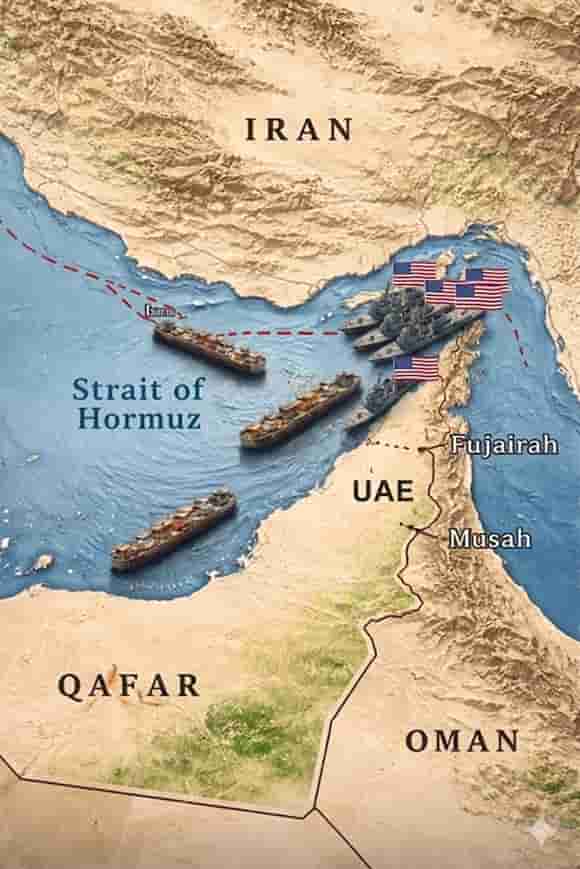
The naval blockade Iran approach, as described by US leadership, involves intercepting vessels attempting to enter or exit the Strait. This narrow passage is responsible for a substantial portion of global oil shipments, making any disruption a critical concern for economies worldwide. By targeting maritime access, the strategy aims to exert maximum economic pressure while avoiding a full-scale ground conflict, at least in its initial phase.
A Pre-Planned Strategic Move
The naval blockade Iran decision did not emerge unexpectedly. Analysts had already identified this option as part of a broader escalation framework. Similar tactics were previously discussed in other geopolitical contexts, where economic strangulation through maritime control proved effective in weakening targeted regimes.
The rationale behind a naval blockade Iran operation is rooted in limiting Tehran’s ability to export oil, which represents a cornerstone of its national revenue. By restricting access to international markets, the United States seeks to force concessions on key issues, particularly those related to nuclear development. This method also indirectly pressures major oil importers such as China and India, potentially reshaping global trade alignments.
Strategic Importance of the Strait of Hormuz
Understanding the implications of a naval blockade Iran strategy requires a closer look at the Strait of Hormuz. This maritime corridor connects the Persian Gulf with the Arabian Sea and serves as a critical artery for global energy flows. Any attempt to control or disrupt this passage inevitably reverberates across international markets.
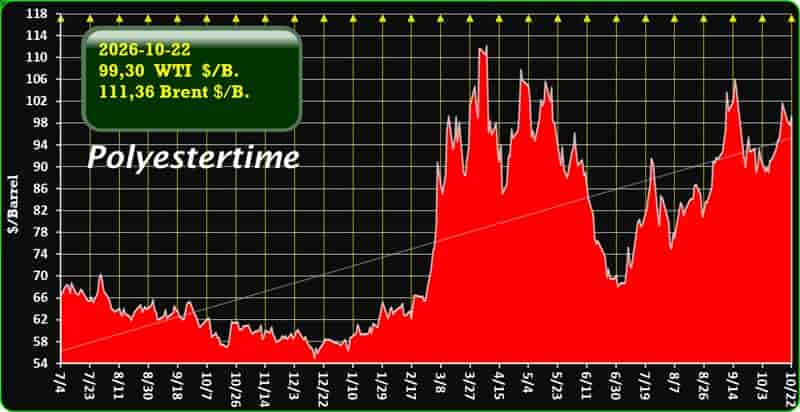
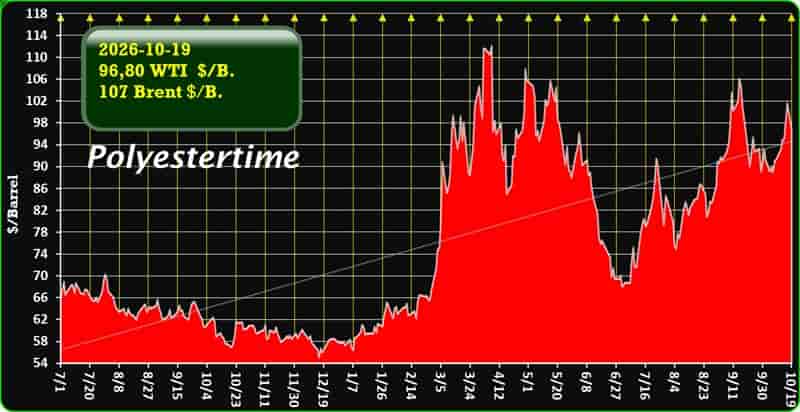
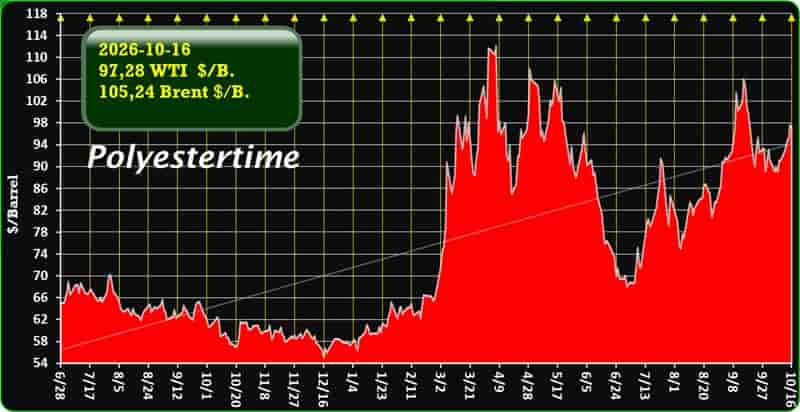
The naval blockade Iran scenario raises concerns about supply chain disruptions, rising oil prices, and increased shipping insurance costs. Even a partial restriction can trigger volatility, affecting both developed and emerging economies. Energy-dependent nations are particularly vulnerable, as they rely heavily on uninterrupted access to Gulf النفط exports.
Military and Tactical Considerations
From a military perspective, implementing a naval blockade Iran operation presents both opportunities and risks. Experts suggest that the US Navy possesses the capability to monitor and control maritime traffic in the region effectively. However, the complexity of such an operation should not be underestimated.
Iran maintains a significant naval presence in the area, including asymmetric warfare capabilities such as mines, fast attack boats, and coastal missile systems. The naval blockade Iran strategy could therefore escalate into direct confrontation if Iranian forces respond aggressively. The deployment of special forces along Iran’s southern coast indicates preparation for potential conflict scenarios.
Diplomatic Fallout and Regional Reactions
The failure of negotiations has intensified rhetoric on both sides. Iranian officials have emphasized their unwillingness to accept externally imposed conditions, reinforcing a narrative of sovereignty and resistance. At the same time, the naval blockade Iran initiative is being framed by US authorities as a necessary step to ensure regional stability and prevent further escalation.
This divergence in perspectives complicates diplomatic efforts. While some officials hint at the possibility of renewed talks, trust between the parties remains low. The naval blockade Iran situation could either push stakeholders back to the negotiating table or deepen the standoff, depending on how events unfold in the coming days.
Global Economic Implications
The economic consequences of a naval blockade Iran policy extend far beyond the Middle East. Oil markets are particularly sensitive to disruptions in the Strait of Hormuz. Even the perception of risk can drive price increases, affecting industries ranging from transportation to manufacturing.
Investors and policymakers are closely monitoring the naval blockade Iran developments, as prolonged instability could lead to inflationary pressures and slower economic growth. Countries with strategic petroleum reserves may attempt to mitigate short-term impacts, but sustained disruption would require broader structural adjustments.
Five Key Risks to Watch
The naval blockade Iran escalation introduces several critical risks that global stakeholders must consider:
- Energy Supply Disruptions
Any interference with oil shipments could significantly impact global supply chains. - Military Escalation
Direct clashes between naval forces could rapidly intensify the conflict. - Economic Volatility
Financial markets may react sharply to uncertainty in energy pricing. - Regional Instability
Neighboring countries could be drawn into the conflict, either directly or indirectly. - Diplomatic Breakdown
Continued tensions may reduce the likelihood of a negotiated resolution.
What Comes Next
The naval blockade Iran strategy represents a high-stakes gamble with far-reaching consequences. While it aims to apply pressure without immediate large-scale warfare, the margin for error remains narrow. Miscalculations or unintended incidents could quickly transform a controlled escalation into a broader conflict.
In the short term, the focus will be on maritime activity in the Strait of Hormuz and any signs of confrontation. In the longer term, the effectiveness of the naval blockade Iran approach will depend on its ability to achieve political objectives without triggering uncontrollable escalation.
As global attention remains fixed on this evolving situation, the balance between deterrence and diplomacy will determine whether the naval blockade Iran crisis leads to resolution or further instability.
Strait of Hormuz Crisis Shows 5 Harsh Failures Weakening Western Power
More…