Oil Price Volatility Intensifies Near $100 as Fragile Ceasefire, Supply Risks, and Investor Anxiety Keep Global Energy Markets on Edge
Oil Price Trend Analysis – April 10, 2026
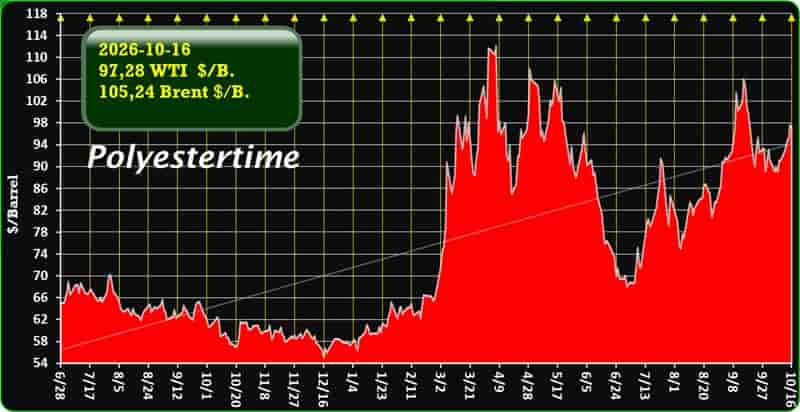
The oil price environment as of April 10, 2026 is defined by extreme volatility, with both Brent and WTI crude benchmarks fluctuating within the $95–$105 per barrel range. Markets are reacting to a complex mix of geopolitical instability, supply risks, and shifting investor sentiment, reinforcing the central role of the oil price in global economic dynamics.
Current Oil Price Snapshot
| Benchmark | Price Range (April 10, 2026) | Daily Trend | Weekly Context |
|---|---|---|---|
| Brent Crude | ~$96 – $100 | Slight volatility | Down ~10% weekly but rebounding |
| WTI Crude | ~$98 – $102 | Upward pressure | Strong rebound after sharp drop |
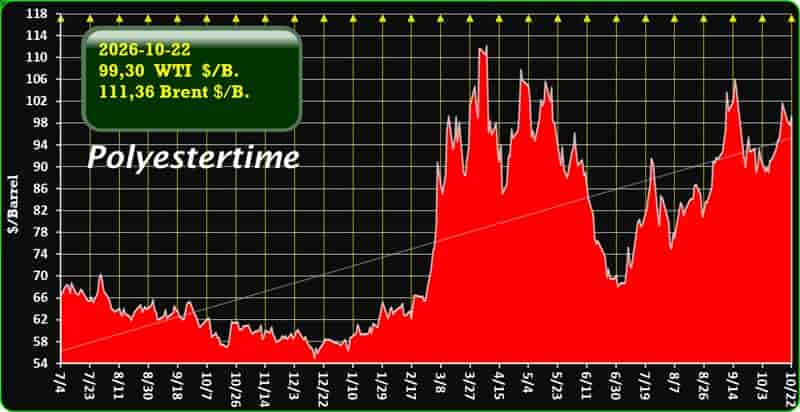
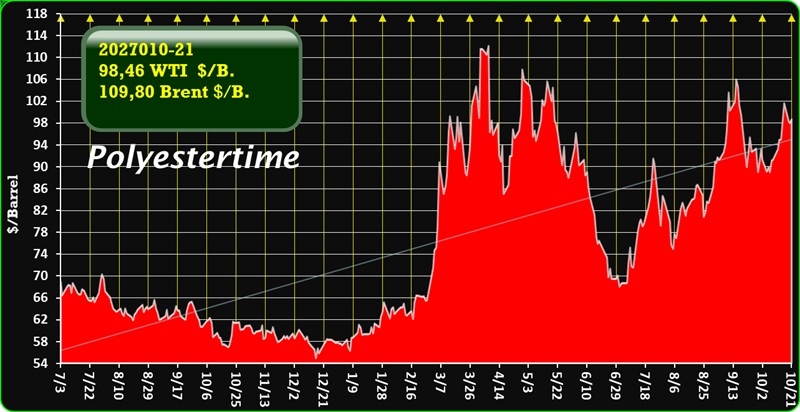
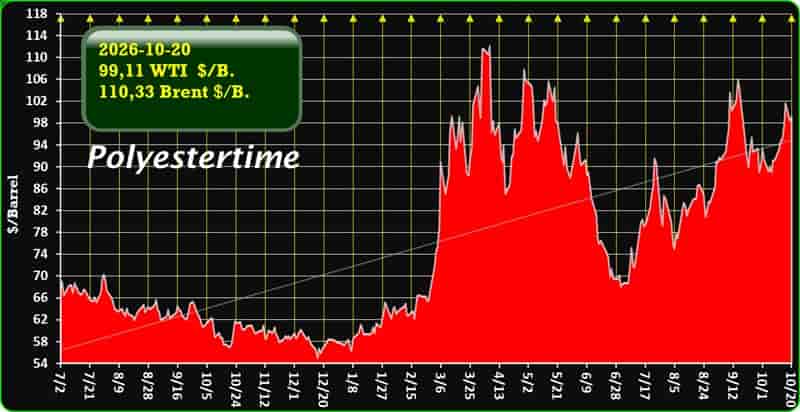
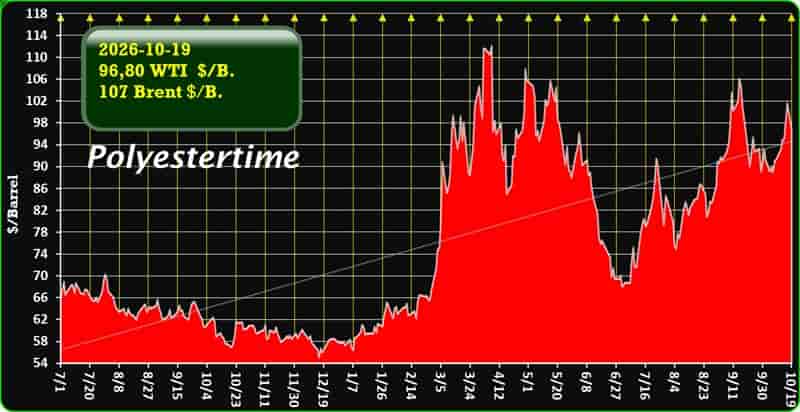
Recent data shows WTI trading close to $98.7, while Brent hovers near $96–$99, reflecting a market attempting to stabilize after sharp corrections earlier in the week . Despite short-term dips, both benchmarks remain anchored near the psychologically critical $100 level.
Key Drivers Behind Today’s Oil Price Movements
1. Geopolitical Tensions and the “Fragile Peace” Narrative
The dominant force shaping the oil price today is geopolitics—specifically the fragile ceasefire between the U.S. and Iran. While headlines initially suggested de-escalation, the reality is far more unstable.
- Attacks on Saudi energy infrastructure have reignited supply concerns
- The Strait of Hormuz remains partially restricted, with hundreds of vessels delayed
- Analysts warn that the ceasefire does not eliminate systemic risks to oil flows
This aligns with the broader market narrative: the oil price correction seen earlier in the week may have been excessive, as structural risks remain unresolved.
2. Supply Chain Disruptions and Strategic Chokepoints
Roughly 20% of global oil supply flows through the Strait of Hormuz, making it the most critical chokepoint in energy markets . Even partial disruption has immediate price implications:
- Shipping delays increase transport and insurance costs
- Reduced throughput tightens global supply
- Market pricing incorporates a persistent “risk premium”
The current oil price reflects not just physical shortages, but anticipation of potential escalation.
3. OPEC+ Strategy and Market Balancing
OPEC+ continues to play a stabilizing—but limited—role:
- Incremental output adjustments have failed to offset geopolitical shocks
- Supply discipline remains, but external disruptions dominate pricing
- Long-term recovery warnings from producers highlight structural fragility
In essence, OPEC+ is no longer the sole driver of oil price direction, as geopolitical variables outweigh production policy.
4. Demand Signals and Economic Data
On the demand side, signals are mixed:
- Global growth remains uncertain, limiting aggressive upside
- However, resilient consumption and strategic stockpiling support prices
- Inflation concerns tied to energy costs are resurfacing globally
Higher crude price levels are already translating into rising fuel costs and consumer pressure, particularly in import-dependent economies.
Investor Sentiment: Volatile but Bullish Bias
Investor sentiment is currently defined by cautious optimism with embedded risk hedging:
- Short-term traders react sharply to geopolitical headlines
- Institutional investors maintain a bullish bias due to supply constraints
- Speculation about prices reaching $115–$150 in extreme scenarios is gaining traction
The crude price is therefore being driven as much by expectations and risk premiums as by physical supply-demand fundamentals.
Is the Oil Price Correction Overdone?
Recent market behavior suggests that the earlier sharp drop—triggered by ceasefire optimism—was likely overcorrected.
Key reasons:
- The ceasefire is unstable and reversible
- Infrastructure risks remain unresolved
- Strategic routes like Hormuz are still under pressure
This reinforces a critical insight: temporary political agreements do not eliminate structural energy risks.
Short-Term Outlook for Oil Prices
Base Case (Most Likely Scenario)
- Oil price remains range-bound between $95 and $105
- Volatility persists due to headline-driven trading
Bullish Scenario
- Escalation in Middle East tensions
- Sustained disruption in Hormuz
- Oil price spikes toward $110+
Bearish Scenario
- Durable ceasefire and restored shipping flows
- Oil price retreats toward $85–$90
Implications for the Global Economy and Energy Markets
The current oil price environment has broad implications:
- Inflation Pressure: Higher energy costs feed into global inflation
- Energy Security: Renewed focus on diversification and renewables
- Market Volatility: Increased uncertainty across equities and currencies
- Industrial Impact: Higher input costs for manufacturing and logistics
In particular, sustained high crude price levels could slow economic growth while accelerating the energy transition.
Conclusion
As of April 10, 2026, the crude price is hovering near $100, but the underlying market is far from stable. The combination of fragile geopolitics, constrained supply routes, and cautious investor sentiment suggests that volatility will remain elevated.
The key takeaway is clear: even in the presence of a ceasefire, the oil market remains structurally tight and highly sensitive to risk, making the current oil price trend both justified and fragile in equal measure.
Oil price surges near $100 as fragile ceasefire doubts and supply risks fuel volatility across global energy markets and investor uncertainty
More…