Oil price volatility shocks markets as Brent and WTI retreat below $100 amid Iran ceasefire, uncertainty lingers over supply, demand, and outlook
Oil price trend April 8, 2026: sharp correction after geopolitical shock
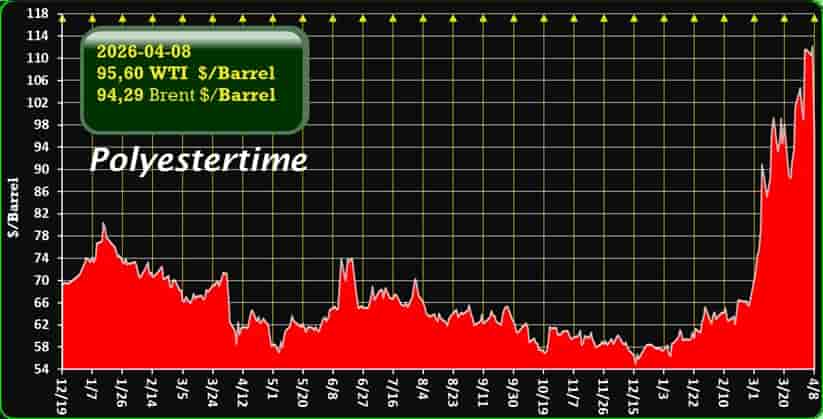
The crude price on April 8, 2026, is undergoing a dramatic correction after weeks of extreme volatility driven by geopolitical tensions. Both Brent crude and West Texas Intermediate (WTI) have fallen back into the $90–100 per barrel range, marking a significant shift in market dynamics.
This sharp move reflects a rapid repricing of geopolitical risk, rather than a structural change in supply-demand fundamentals. For investors and policymakers, the current crude price environment remains fragile and highly reactive.
Current oil price levels and recent movement
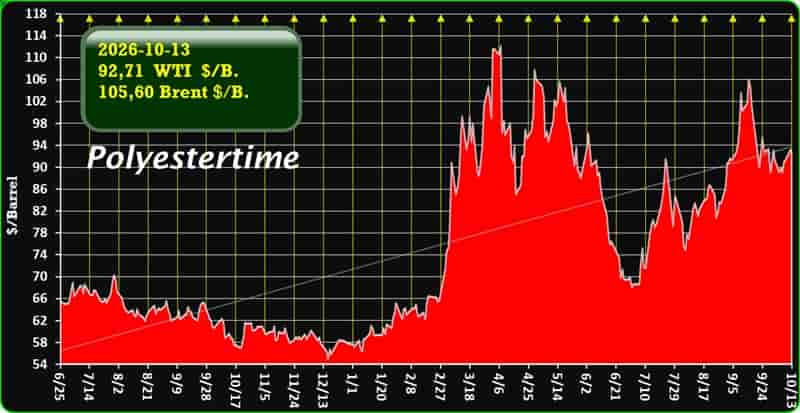
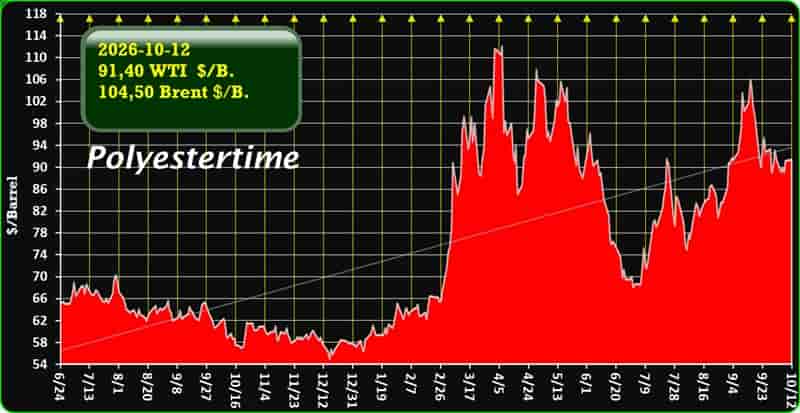
Following a steep rally above $110 per barrel earlier in April, crude markets have reversed course:
| Benchmark | Latest Price (April 8, 2026) | Daily Change | Recent Peak |
|---|---|---|---|
| Brent Crude | ~$94–95/bbl | -13% to -15% | ~$119/bbl |
| WTI Crude | ~$95–96/bbl | -14% to -17% | ~$120/bbl |
The crude price drop comes after a two-week ceasefire agreement between the United States and Iran, which includes the reopening of the Strait of Hormuz—a critical artery for global oil flows.
This development removed a major supply disruption risk almost overnight, triggering one of the largest single-day declines in oil price since the Gulf War era.
Key factors influencing the oil price today
1. Geopolitical de-escalation: Iran ceasefire impact
The primary driver of today’s crude price movement is geopolitical. The Strait of Hormuz—responsible for roughly 20% of global oil supply transit—is now expected to reopen, easing fears of prolonged disruption.
Previously, the crude price had surged due to blocked shipping routes and escalating military threats. The ceasefire has effectively removed part of the “war premium” embedded in crude prices.
2. Supply dynamics and OPEC+ strategy
Despite the recent crude price drop, underlying supply conditions remain tight:
- OPEC+ continues to manage output carefully
- Some Middle Eastern production remains constrained
- Export routes are only gradually normalizing
Even before the conflict, markets were balancing between potential oversupply and geopolitical risk. The recent crisis temporarily masked this balance by injecting a strong risk premium into the crude price.
3. Global demand outlook
Demand remains relatively stable but not exceptionally strong:
- Slower global economic growth caps upside
- High energy costs have already impacted consumption
- Emerging markets remain key drivers of demand
While demand did not collapse, it has not been strong enough to justify crude price levels above $110 without geopolitical stress.
4. Market volatility and risk premium
The crude price rally earlier this month was largely speculative, driven by uncertainty rather than physical shortages.
- Prices surged more than 50% during the conflict
- A risk premium of several dollars per barrel was embedded
- The ceasefire triggered a rapid unwinding of these positions
This explains why the oil price correction has been so abrupt.
Investor sentiment: cautious and reactive
Investor sentiment has shifted from panic to cautious optimism:
- Equity markets rallied after the oil price drop
- Inflation concerns temporarily eased
- Energy traders remain highly alert to geopolitical headlines
However, sentiment is far from stable. Thecrude price is still significantly higher than pre-conflict levels (~$70–75), indicating that markets are not fully convinced the crisis is over.
Traders are now focused on one key question: Will the ceasefire hold and ensure uninterrupted oil flows?
Oil price drivers summary
| Factor | Impact on Oil Price | Current Direction |
|---|---|---|
| Iran ceasefire | Strong downward pressure | Bearish |
| Strait of Hormuz reopening | Eases supply risk | Bearish |
| OPEC+ supply management | Supports prices | Bullish |
| Global demand | Moderate support | Neutral |
| Market sentiment | Highly volatile | Uncertain |
Short-term outlook for oil price
In the near term, the oil price is likely to remain volatile within the $90–100 per barrel range, with two main scenarios:
Bearish scenario
- Ceasefire holds
- Oil flows normalize
- Risk premium fades further
➡ Oil price could drift toward $85–90/bbl
Bullish scenario
- Ceasefire breaks down
- Supply disruptions resume
- Geopolitical tensions escalate again
➡ Oil price could quickly rebound above $100–110/bbl
What this means for the global economy
The recent oil price correction offers temporary relief:
- Lower fuel costs may ease inflation pressures
- Central banks gain flexibility on interest rates
- Energy-importing countries benefit immediately
However, persistent volatility keeps uncertainty high. Energy markets remain tightly linked to geopolitical developments, making the oil price a key macroeconomic indicator in 2026.
Conclusion
The oil price on April 8, 2026, reflects a market in transition—from geopolitical panic to cautious stabilization. Brent and WTI have retreated below $100, but the underlying risks have not disappeared.
In the short term, the oil price will likely remain highly sensitive to geopolitical signals, particularly developments in the Middle East. For investors and policymakers, this means one thing: volatility is here to stay.
More..