Oil price surge intensifies as Iran tensions persist
Oil price rally continues amid geopolitical uncertainty
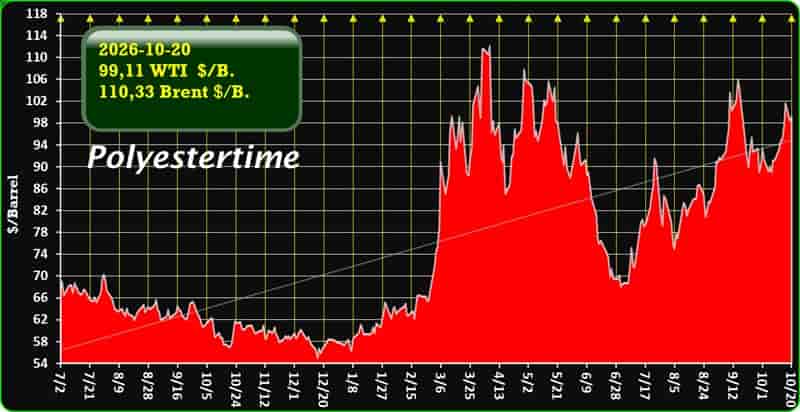
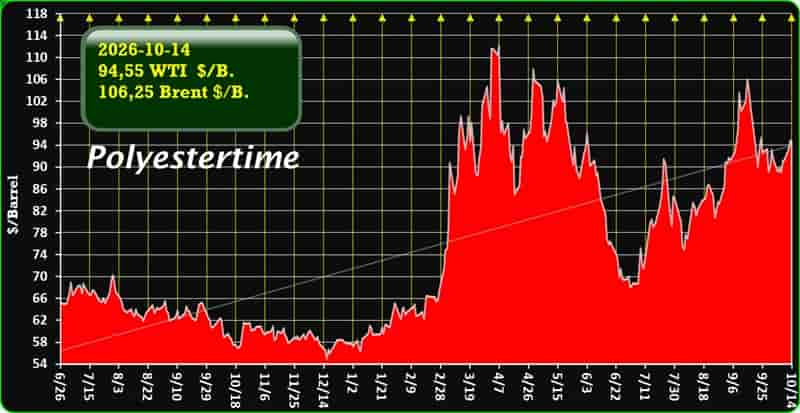
The oil price trend on April 28, 2026, reflects a market driven primarily by geopolitical risk and supply disruption. Prices climbed nearly 2%, extending gains from earlier sessions as the ongoing U.S.–Iran conflict shows no clear resolution.
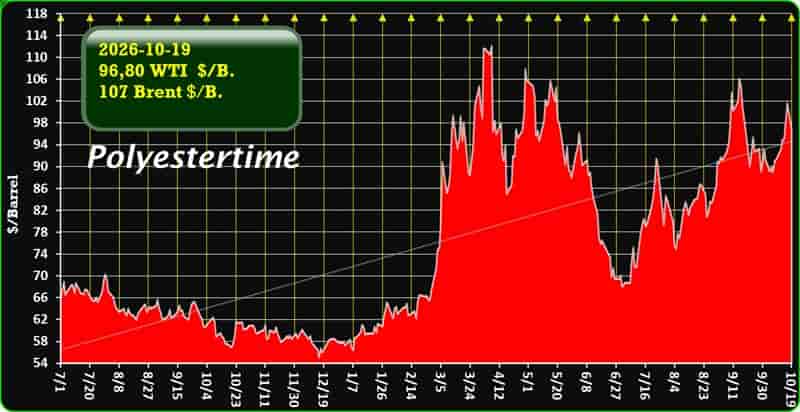
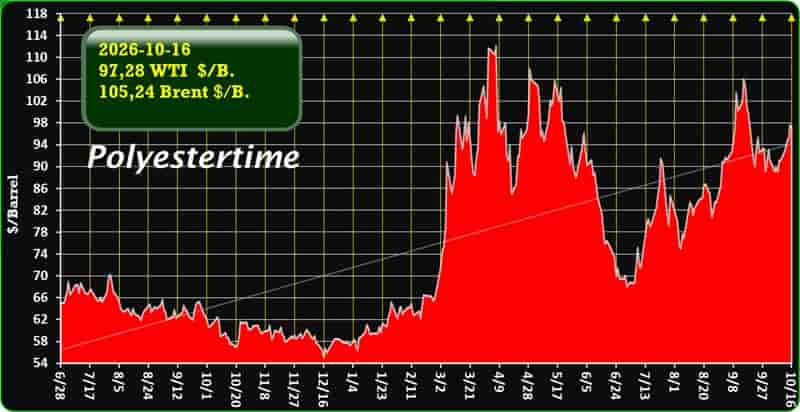
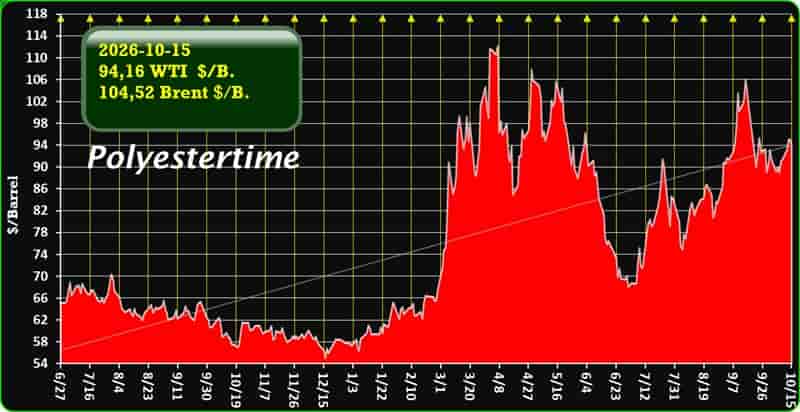
Brent crude surged above $110 per barrel, while U.S. West Texas Intermediate (WTI) hovered close to $98 per barrel, marking some of the highest levels seen in weeks. These price levels highlight how sensitive the oil price is to disruptions in critical supply routes.
Current oil price snapshot
| Benchmark | Latest Price (Approx.) | Daily Change | Trend |
|---|---|---|---|
| Brent Crude | $110–$110.6 | +2% | Bullish |
| WTI Crude | $96–$98.2 | +1.5–2% | Bullish |
Prices remain volatile, but the overall oil price direction is clearly upward, supported by tight supply conditions and persistent geopolitical risks.
Key driver: Strait of Hormuz disruption
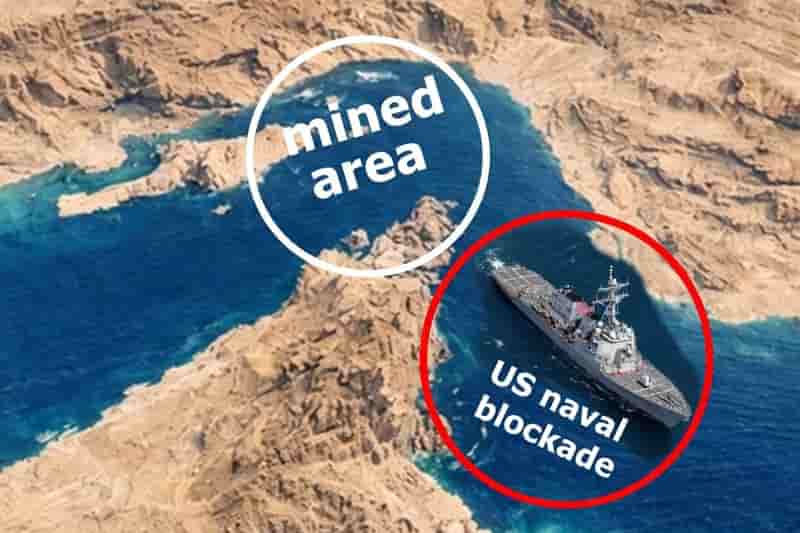
The dominant force behind today’s oil price movement is the continued disruption in the Strait of Hormuz, one of the world’s most critical energy chokepoints.
- The strait typically handles around 20% of global oil and gas flows
- Shipping traffic remains severely restricted
- Several oil tankers have been forced to turn back due to blockades
With no clear agreement between the U.S. and Iran, the market is pricing in a prolonged supply constraint. Even limited reopening expectations have failed to ease concerns, keeping the oil price elevated.
Supply and demand dynamics
Supply constraints
Global oil supply is under pressure due to:
- Restricted Middle East exports
- Blocked Iranian ports
- Delayed recovery in shipping logistics
These factors have created a structural tightening in supply, pushing the oil price higher despite global economic uncertainties.
Demand outlook
Demand remains relatively stable but cautious:
- Industrial demand is holding steady
- High prices may begin to curb consumption
- Emerging markets remain sensitive to price spikes
The balance between constrained supply and steady demand is reinforcing upward oil price momentum.
Role of OPEC+ and global producers
While OPEC+ has not made major new announcements today, its role remains central in shaping oil price expectations.
- The group is likely monitoring price spikes closely
- Any decision to increase output could stabilize markets
- However, geopolitical risks currently outweigh production policy
Meanwhile, the United States has increased exports to offset shortages, but this has not fully compensated for the loss of Middle Eastern supply.
Geopolitical tensions dominate sentiment
Investor sentiment is heavily influenced by the ongoing U.S.–Iran standoff:
- Peace talks remain stalled
- Iran’s proposals have failed to satisfy U.S. demands
- Military and economic measures continue on both sides
This deadlock has created a “risk premium” embedded in the crude price, meaning traders are pricing in the possibility of further disruptions.
Investor sentiment and market behavior
Market sentiment is currently:
- Cautiously bullish in the short term
- Highly reactive to headlines
- Expecting prolonged volatility
Analysts suggest that if the conflict persists, the crude price could stabilize at a higher baseline between $100 and $125 per barrel, even if volatility decreases over time.
Interestingly, some financial markets are beginning to “normalize” the conflict, meaning traders may gradually treat elevated crude price levels as the new standard rather than a temporary spike.
Economic impact and corporate signals
The rising oil price is already affecting corporate performance and broader markets:
- Energy companies are reporting higher profits due to trading gains
- Refining margins remain strong
- Inflationary pressures may increase globally
For example, major oil firms have benefited significantly from price volatility, signaling strong investor confidence in the energy sector.
Outlook: where oil price heads next
Looking ahead, the crude price trajectory depends on three critical factors:
- Geopolitical resolution
A breakthrough in U.S.–Iran talks could quickly ease prices - Supply restoration
Reopening the Strait of Hormuz would significantly increase supply - Market adaptation
Traders may adjust to a “new normal” of higher oil prices
In the short term, however, the bias remains upward. Without a clear de-escalation, the crude price is likely to stay elevated, supported by ongoing uncertainty and constrained supply.
This evolving oil price environment highlights how tightly energy markets are linked to geopolitics, making real-time developments essential for traders, investors, and policymakers alike.
Oil Price Surge Signals Tight Supply Risks
More…