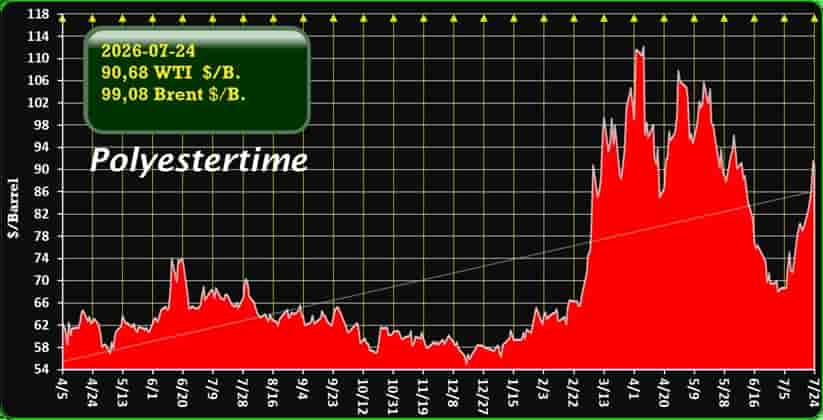
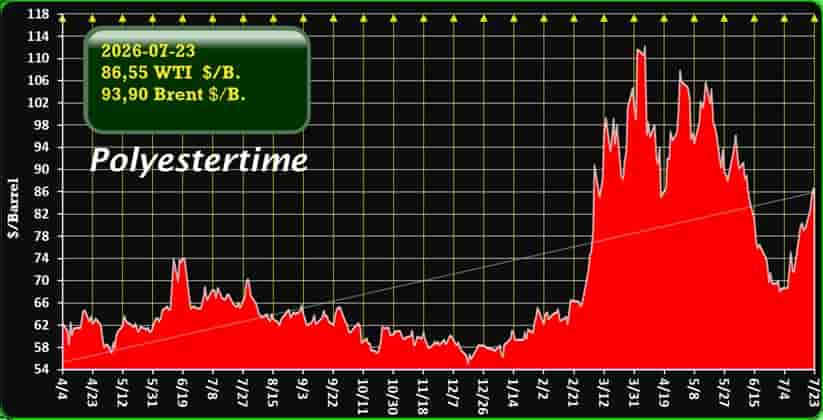
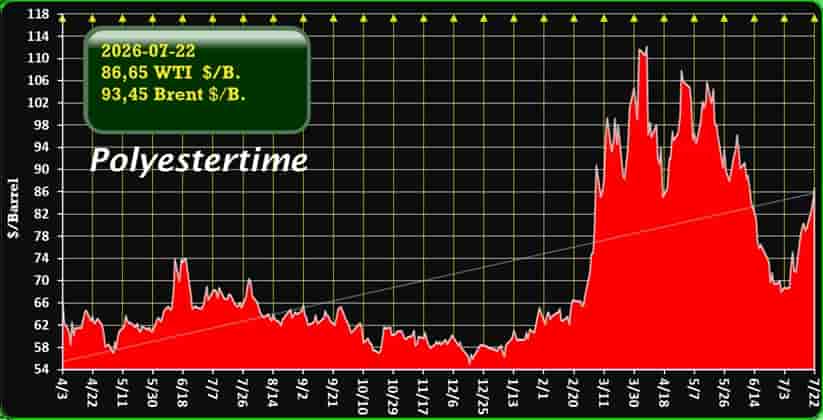
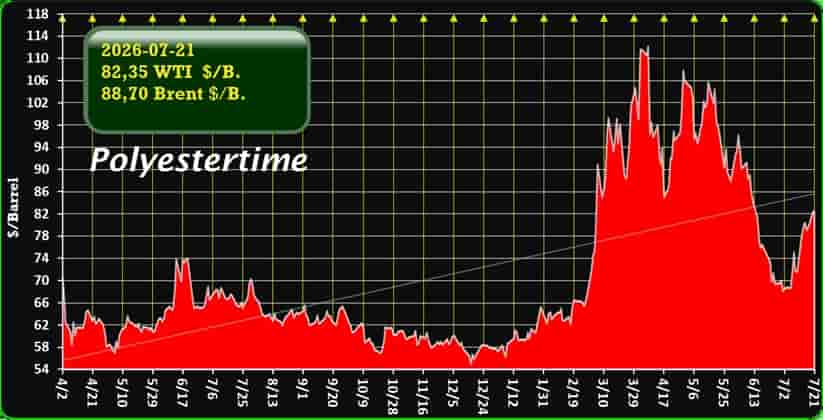
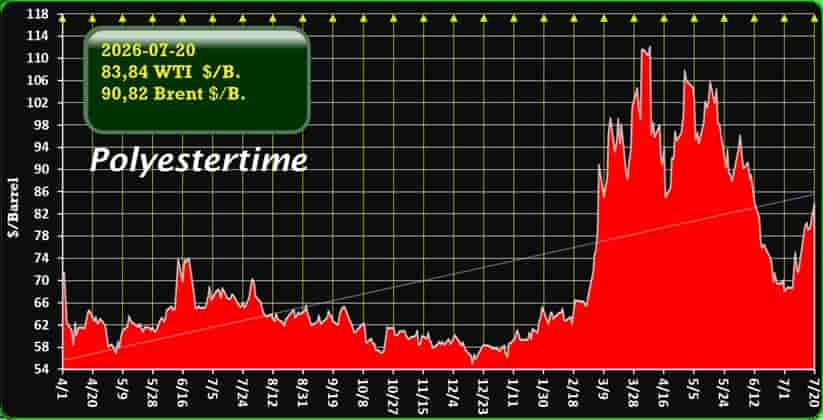
Oil price dips amid supply-worry backdrop as Brent holds near $64,25 and WTI around $60,42 on Nov 4 2025
Oil price – Introduction
The global oil price environment as of November 4 2025 is showing signs of strain. While benchmarks remain relatively stable, underlying forces point to a cautious mood among investors and market watchers. The headline numbers (Brent ≈ $64.25/barrel, WTI ≈ $60.42/barrel) require context to fully grasp what’s driving the current move in the oil markets.
Current Benchmarks at a Glance
Here are the key price points and what they imply:
| Benchmark | Price (≈) | Significance |
|---|---|---|
| Brent crude | ~ US$64.25/b | Global benchmark for crude oil |
| WTI crude | ~ US$60.42/b | U.S. benchmark, often lower than Brent |
These approximate values serve as clear indicators of where the oil price stands today.
What’s Driving the Oil Price?
Supply Side
The OPEC+ has signalled a pause in planned output increases for the first quarter of 2026 despite a modest raise slated for December. Markets interpret this as a recognition of potential oversupply risks. Reuters+1
At the same time, sanctions on major Russian oil firms and export constraints create an extra layer of complexity in global supply flows. Reuters
Demand Side
On the demand front, recent data show weaker-than-expected activity in major industrial regions, raising concerns about the strength of next-year consumption. For example, a Reuters poll found that despite geopolitical risks, ample supply and subdued demand keep oil price outlooks in check. Reuters+2FX Leaders+2
Market Sentiment
The interplay of supply caution and demand weakness leaves the oil price in a holding pattern—neither booming nor collapsing. Traders are watching for next moves: deeper disruption (which could lift prices) or further demand erosion (which could drag them lower).
Why is the Oil Price Holding at These Levels?
-
The current benchmarks (~$64/$60) are consistent with recent futures and spot data. For example, Brent was reported near $64.77 on October 31. Trading Economics+1
-
The pause by OPEC+ signals that producers are aware of oversupply risk, which supports prices from dropping quickly. Reuters+1
-
Yet, demand doesn’t appear strong enough to push the oil price significantly higher yet, given global growth concerns.
Outlook & What to Watch
Near-Term
-
Inventory data (especially U.S. crude inventories) will be key indicators for whether demand is holding up or supply is building.
-
Any fresh geopolitical disruption (e.g., in major producing regions) could provide a short-term lift to the oil price.
-
On the flip side, further economic softening or a strong dollar could weigh.
Medium-Term
-
If supply remains disciplined and demand begins to improve, the oil price could move higher toward analyst targets (e.g., ~$65 for Brent) as some recent forecasts suggest. FX Leaders+1
-
Conversely, if supply increases and demand disappoints, the oil price could revisit lower support levels.
Implications for Stakeholders
-
Producers: Margins stay under pressure at these levels; controlling costs and managing production will remain crucial.
-
Consumers: Refined products (gasoline, diesel) may remain relatively affordable; but cost inflation in energy-intensive sectors could still show up.
-
Investors: The crude price landscape suggests a moderate risk-reward scenario—no runaway upside, but meaningful downside risk if demand falters further.
-
Policy makers: Energy security and strategic stockpile decisions may become more important if supply worries intensify.
Conclusion
Today’s reading of the oil price around ~$64 for Brent and ~$60 for WTI reflects a market wrestling with conflicting signals: supply discipline vs weak demand. The pause on production hikes by OPEC+ supports the price floor, while global economic concerns hold back any surging rallies. For now, the oil price remains in a cautious equilibrium, and the next major move will likely come from a clear shift in either supply or demand dynamics.