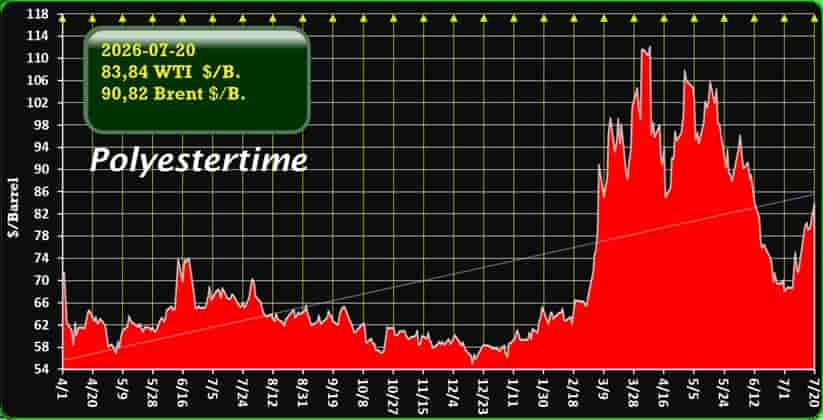
Oil price dips on supply bounce-back as Brent holds near $64 and WTI next to $59 amidst global oversupply jitters and geopolitical risks 17-11-2025
Oil price – Introduction
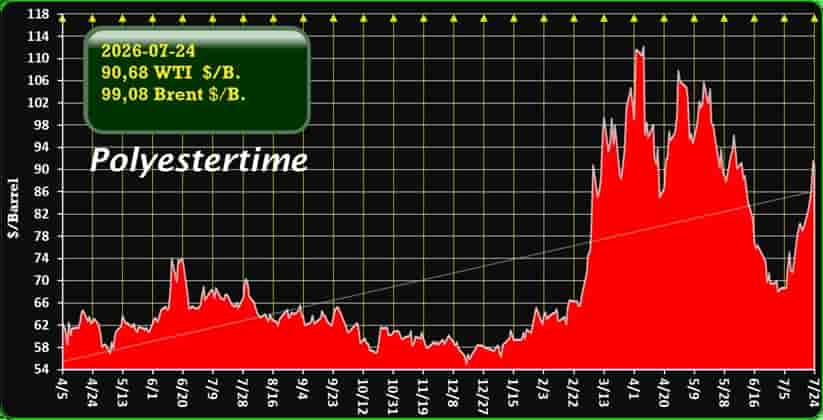
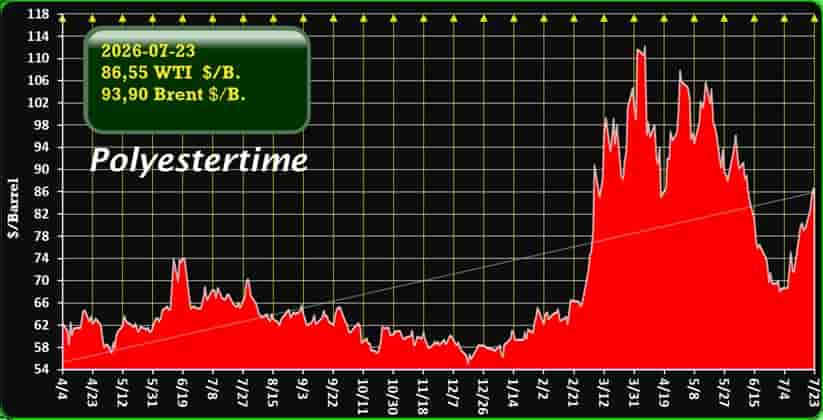
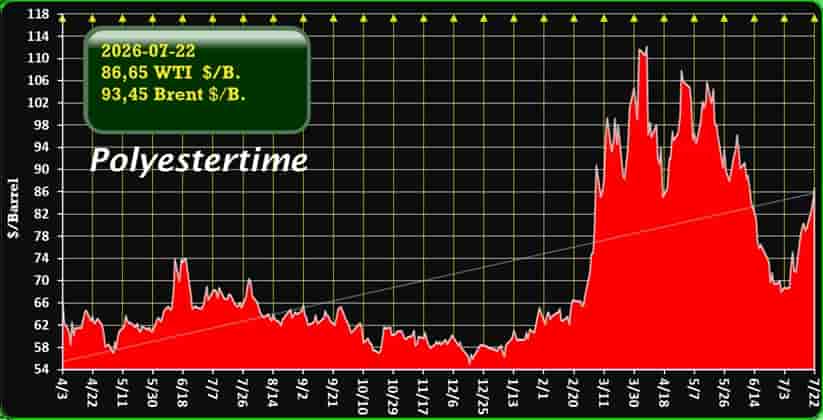
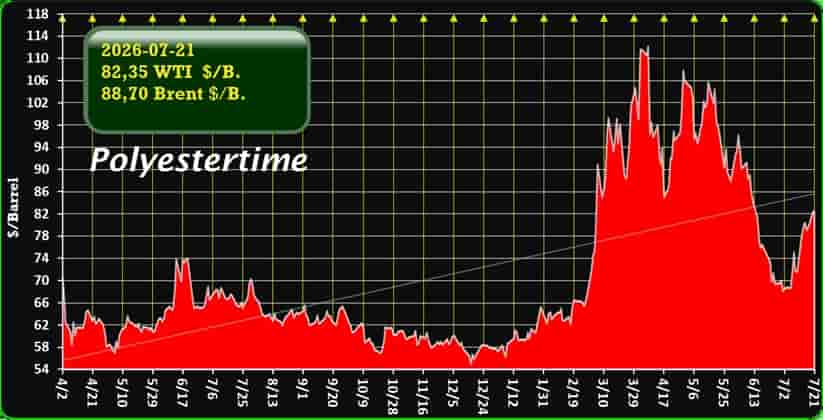
The global oil price complex remains under stress on November 17, 2025. With Brent crude hovering around $63.93 per barrel and WTI at $59.47 per barrel, traders are digesting a mix of easing immediate supply risks and rising medium-term concerns about oversupply and sluggish demand growth. While headlines today suggest some relief from a recent supply disruption in Russia, the broader trend suggests the oil price may remain capped until clearer signs of demand recovery emerge.
Current Price Table
| Benchmark | Price (USD per barrel) |
|---|---|
| Brent Crude | $63.93 |
| WTI (West Texas Intermediate) | $59.47 |
Note: Prices reflect market consensus around Nov 17, 2025.
What’s driving the change?
1. Supply disruption easing
The recent spike in the oil price had been driven by halted loadings at the Novorossiysk port (Russia), which accounts for roughly 2% of global crude exports. On Sunday, loadings resumed, signalling a return to normal flows and prompting relief in the market. Reuters+1
As a result, the crude price — for both Brent and WTI — slipped from recent highs. The Economic Times+1
2. Oversupply and production risk
Meanwhile, producers grouped under OPEC+ continue to ramp up output despite warnings of a looming glut. One report noted that the consensus among traders (≈67 %) is that OPEC+ will keep increasing production into next year even as demand growth softens. OilPrice.com+1
Analysts at ING and others warn that the oil market may face a major surplus through 2026 unless demand surprises on the upside. FXEmpire
3. Weaker demand tone
In addition to supply risks, the tone around demand is cautious. With global economic growth slowing, industrial demand for crude is under scrutiny. Futures contracts are showing contango in some cases, reflecting warehousing expectations for excess supply. Energy Connects+1
What does this mean for the oil price?
-
With the immediate supply scare subsiding, the upside for the oil price appears limited in the short term.
-
The Brent benchmark remaining near ~$64 and WTI near ~$59 suggests the market is anchored in a range rather than a sharp breakout.
-
If demand remains weak and production rises, the oil price could drift lower — or at least stay muted.
-
On the other hand, any renewed supply disruption (e.g., infrastructure damage, sanctions) could push the oil price higher quickly.
Key takeaway for market watchers
The current oil price landscape is defined by a tug-of-war between easing supply risk (which favours lower prices) and structural oversupply/demand weakness (also favouring lower prices). For now, traders appear to favour the “stay in the range” scenario until a clear catalyst emerges.
In practical terms for end-users and energy-intense sectors: expect stable or slowing energy input cost relief rather than a big drop in crude prices imminently.
Looking ahead – What to watch
-
Geopolitical risk: Any fresh strikes on oil infrastructure (especially in Russia or Middle East chokepoints) could flip the story positive for the oil price.
-
Production announcements: Watch for OPEC+ meetings and production quotas; any signal of cuts or greater cooperation could support the oil price.
-
Demand data: Macro-indicators (such as industrial output, refinery runs in China/India) will drive sentiment around the oil price.
-
Inventory reports: Weekly inventory builds in the US or other major markets could reinforce the oversupply narrative and weigh on prices.
Conclusion
On November 17 2025, the oil price remains modestly lower with Brent around $63.93/barrel and WTI around $59.47/barrel. While immediate supply concerns have eased, the broader picture of rising output and soft demand keeps the market cautious. Until a decisive demand rebound or meaningful production cut appears, the oil price will likely hover within a defined range.