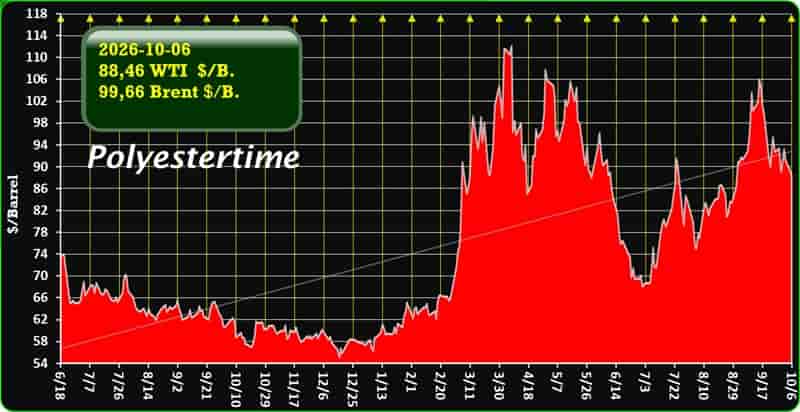
Oil Price Strength Builds in Late January 2026 as Brent Nears $65 and WTI Holds Above $60 on Rising Supply Risks 26-01-2026
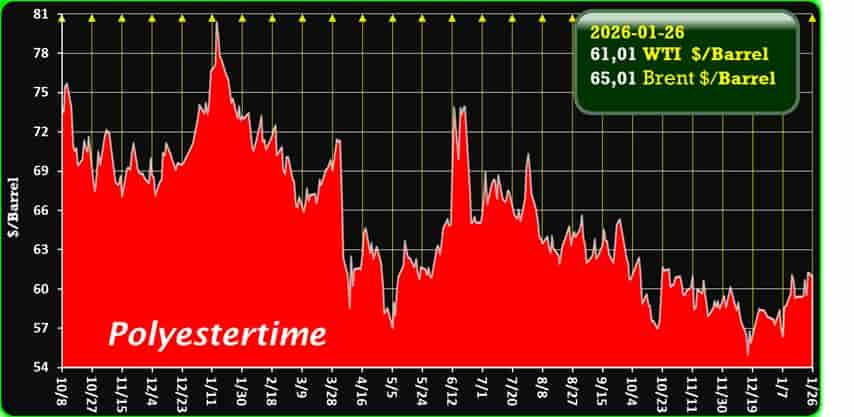
Oil Price Today: January 26, 2026 Snapshot
The oil price is moving higher at the start of the week, supported by renewed supply-side concerns and a modest return of bullish sentiment. As of January 26, 2026:
| Benchmark | Price (approx.) | Daily Bias |
|---|---|---|
| Brent crude | $65,01 per barrel | Firm |
| WTI crude | $61,01 per barrel | Strong |
WTI is holding close to the $61 level, a psychologically important zone for traders, while Brent remains comfortably in the mid-$60s. According to market commentary, today’s price action reflects a reassessment of short-term supply risk rather than a change in long-term demand expectations.
Why the Oil Price Is Rising Today
1. Supply Concerns Are Back in Focus
The main driver behind today’s oil price strength is tightening supply conditions in key regions.
Market reports highlight reduced availability of certain refined products and feedstocks linked to:
-
Lower Russian fuel oil exports to Asia
-
Ongoing refinery maintenance and repairs
-
Temporary disruptions affecting US output
While these issues may not significantly alter global production totals, they affect physical availability, especially for heavy and residual barrels. This has been enough to support near-term crude prices, particularly WTI.
2. Russia and Venezuela: Flows Under Scrutiny
Another supportive factor for the oil price is concern over export flows from Russia and Venezuela, especially toward Asian markets.
Any reduction in these flows tightens the pool of available barrels for refiners, forcing buyers to pay higher prices for alternative supplies. Even marginal changes in shipments can move prices when inventories are already ample but unevenly distributed.
This explains why front-month contracts are showing resilience despite broader forecasts pointing to comfortable supply later in 2026.
3. Geopolitical Risk Premium Returns
Geopolitics is once again adding a risk premium to the oil price.
Heightened military and diplomatic activity in the Middle East has reminded markets that supply routes remain vulnerable. Even without direct disruptions, the possibility of escalation tends to lift crude prices as traders hedge against worst-case scenarios.
Historically, these risk premiums appear quickly and fade slowly, contributing to today’s upward bias in both Brent and WTI.
Demand and the Global Economy: Stable but Not Explosive
From a demand perspective, the picture is supportive but not overheating.
Global oil consumption is expected to grow modestly in 2026, helped by:
-
Stable economic activity in Asia
-
Resilient transport and petrochemical demand
-
Lower oil prices compared with 2024–2025 averages
However, demand growth remains gradual, which means today’s oil price gains are not being driven by a consumption boom but rather by supply-side narratives and short-term risk management.
Investor Sentiment: Bullish Short Term, Disciplined Longer Term
Investor behavior suggests a two-speed market:
-
Short term: Traders are willing to push prices higher due to supply risks, geopolitical uncertainty and technical support levels.
-
Medium term: Investors remain cautious, aware that inventories are still high and that production capacity can respond if prices rise too far.
This explains why the oil price is strengthening without triggering aggressive rallies across longer-dated futures contracts.
Short-Term Oil Price Outlook (Next Few Weeks)
The near-term outlook for the oil price remains constructive but balanced.
| Scenario | Key Drivers | Oil Price Implication |
|---|---|---|
| Base case | Ongoing supply concerns, no major escalation | Brent holds mid-$60s, WTI $60–62 |
| Bullish case | Escalation in geopolitics or sustained disruptions | Brent moves toward high-$60s |
| Bearish case | Tensions ease, focus returns to inventories | Brent slips toward low-$60s |
In the absence of major shocks, markets are likely to remain headline-driven, with volatility favoring upside spikes rather than sustained declines.
What This Means for Energy Markets and the Global Economy
A firmer oil price around current levels has mixed implications:
-
For consumers: Fuel costs remain manageable but sensitive to further geopolitical shocks.
-
For producers: Price stability supports cash flow without encouraging aggressive overproduction.
-
For policymakers: Energy inflation risks stay contained but closely monitored.
Overall, today’s price action signals that crude markets are no longer complacent. Even with sufficient global supply, perceived risk is enough to lift prices and reshape short-term expectations.
Key Takeaway
The oil price increase on January 26, 2026 is not driven by runaway demand, but by renewed supply concerns, geopolitical risk and improving market confidence. Brent near $65 and WTI above $60 reflect a market that is cautious—but no longer bearish.
More…