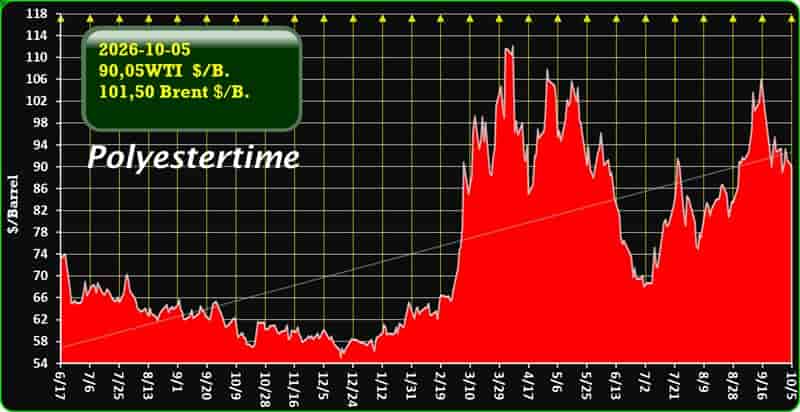
Oil Price Poised for Further Gains as Brent and WTI Approach Breakout Levels, Supported by Strong Demand Expectations, Geopolitical Risk Premiums, Technical Momentum, and Broad Analyst Optimism Entering 2026 28-01-2026
Oil Price Moves Higher — What the Numbers Show
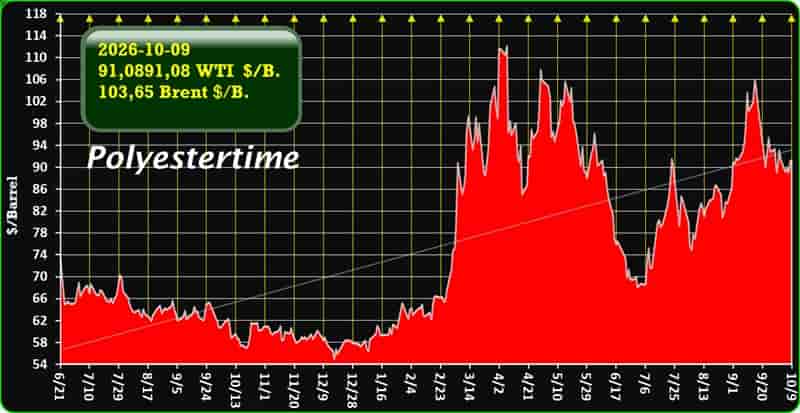
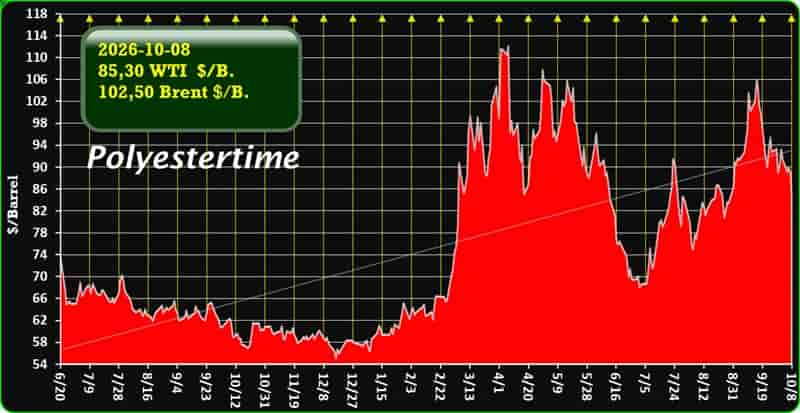
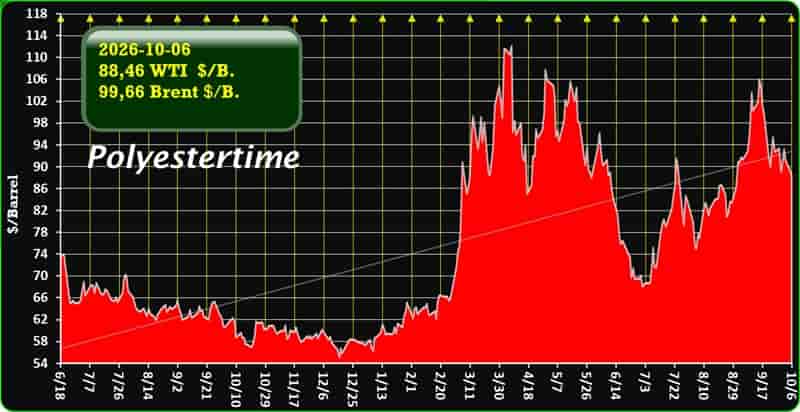
As of January 28, 2026, global oil price indicators are signaling renewed strength. Brent crude — the international benchmark — sits near $66.61 per barrel, while WTI — the U.S. benchmark — trades around $62.53 per barrel. These levels reflect not just stabilization after the 2025 price pullback, but potential upside pressure as markets re-assess supply and demand fundamentals.
Recent trading data show crude prices rising modestly on the day, with broader gains over the past month, consistent with improving demand prospects and technical momentum.
| Benchmark | Current Trade (approx.) | Recent Trend |
|---|---|---|
| Brent | ~$66.61 / bbl | Uptrend forming |
| WTI | ~$62.53 / bbl | Technical breakout activity |
Why Analysts See Oil Prices Rising
Several major market developments are influencing forecasts that oil prices are likely to rise in the near term:
1. Demand Forecasts Revisited Higher
The International Energy Agency (IEA) has recently raised its oil demand growth estimate for 2026 — signaling stronger consumption expectations than previously modeled. This revision reflects better macro conditions and renewed industrial activity, helping tilt sentiment toward the bullish side.
Higher demand growth forecasts tend to reduce surplus projections, tightening the balance between consumption and global supply — a key driver behind rising oil price expectations.
2. OPEC+ Supply Discipline Continues
Market commentary suggests that OPEC+ has halted its plan to unwind oil production cuts through at least March 2026, a move that underscores the group’s intent to support prices amid lingering oversupply.
With both producers and some non-OPEC companies deferring new drilling and development, global crude supply growth may not accelerate as fast as earlier feared — supporting upward pressure on prices.
3. Geopolitical Risks Remain Pervasive
Geopolitical risks — such as ongoing tensions in Eastern Europe and threats of conflict in the Middle East — are elevating trader risk premiums. Analysts note that these risks could abruptly disrupt supply flows, tipping the balance in favor of a higher oil price if escalation occurs.
Such risk premiums often translate into higher forward price expectations as investors hedge against potential shortages.
4. Technical Momentum and Market Sentiment
Technical analysis and investor sentiment around energy markets are turning more bullish. Reports from market strategists show that energy indices have broken key resistance levels, a technical signal that further gains — possibly in the 10–20% range — could be on the horizon if support holds.
When technical momentum aligns with positive fundamentals (demand revisions and supply discipline), trader expectations can shift rapidly toward accumulation, reinforcing price rallies.
How Investors Are Responding
Investor sentiment in oil markets is increasingly forward-looking:
-
Energy stocks have outpaced broader benchmarks, reflecting confidence that higher crude prices will lift earnings across the sector.
-
Physical commodity traders are reducing bearish positions, instead positioning for tighter supplies later in the year.
-
Hedging activity by oil exporters indicates preparation for higher prices down the road.
These behavioural shifts suggest that many market participants are priced more toward the “next leg up” narrative for Brent and WTI.
Outlook: What to Watch in the Short Term
While mixed forecasts still exist — and some models project range-bound or even lower average prices over the long run — the near-term trajectory for oil prices appears tilted upward, driven by:
-
More resilient demand expectations
-
OPEC+ production strategy
-
Geopolitical risk premiums
-
Technical price breakout signals
Forecast models that include upside scenarios point to a possible strengthening of averages through early to mid-2026, especially if seasonal demand peaks and supply constraints converge.
Key Levels to Watch
-
Resistance Breakout: Above $70 per barrel for Brent
-
Support Reaffirmation: Holding above recent trend lows around mid-$60s
-
Volatility Triggers: Geopolitical news or macroeconomic surprises
What This Means for the Global Economy
A sustained rise in oil price has several implications:
-
Consumers: Higher crude often translates into elevated gasoline and diesel costs, which can influence inflation and consumer spending.
-
Corporates: Energy sector profitability and investment returns tend to strengthen with rising prices.
-
Emerging Markets: Oil-importing countries may experience balance-of-payments pressures, while exporters benefit from improved revenues.
-
Policy: Central banks track energy prices as part of core inflation dynamics — upward pressure could impact interest rate expectations.
Conclusion
Current data and market commentary point to an increasingly bullish outlook for oil prices in early 2026, with Brent around $66.61 and WTI about $62.53 as key reference points. Analysts cite rising demand forecasts, disciplined production strategies, geopolitical risk, and technical buy signals as factors likely to support higher prices ahead.
While uncertainties remain, especially around long-term supply dynamics, the near-term oil price trend is shaping up for upside potential — a narrative that both investors and energy policymakers are watching closely.
More…