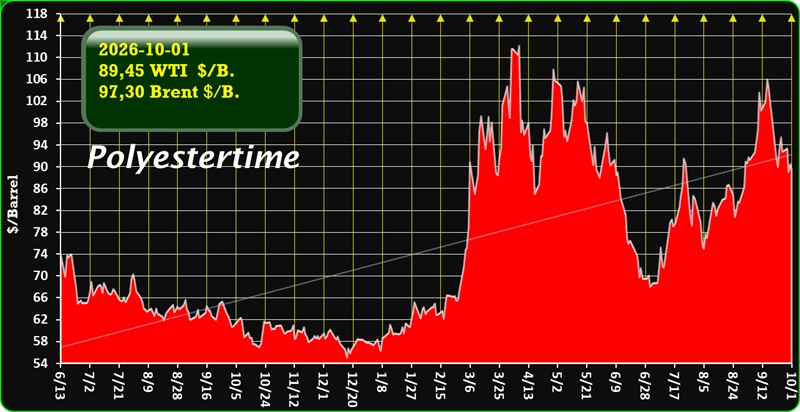
Oil price surges above $100 amid Middle East tensions, tightening supply and volatile markets — what rising energy costs mean for the global economy
Oil price surges toward $100 amid geopolitical turmoil and supply fears
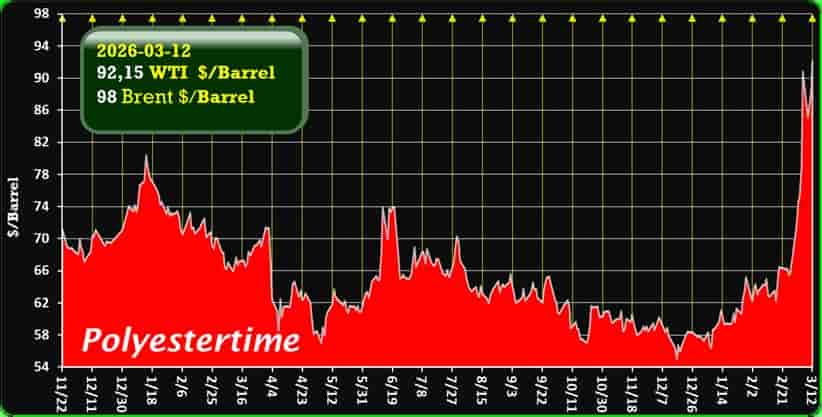
The oil price has climbed sharply in recent days, reflecting heightened geopolitical tensions and growing concerns about global supply disruptions. As of March 12, 2026, Brent crude is trading roughly in the $95–$105 per barrel range, while West Texas Intermediate (WTI) is fluctuating around $90–$100 per barrel.
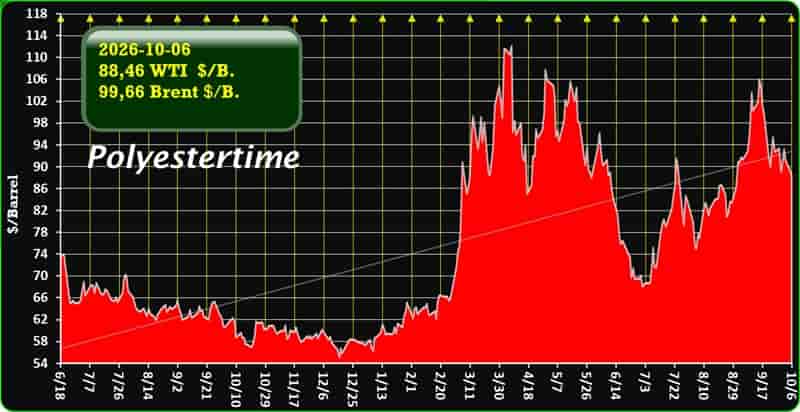
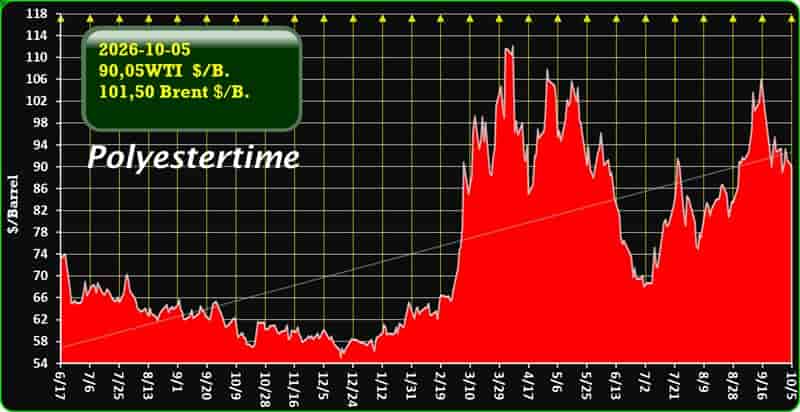
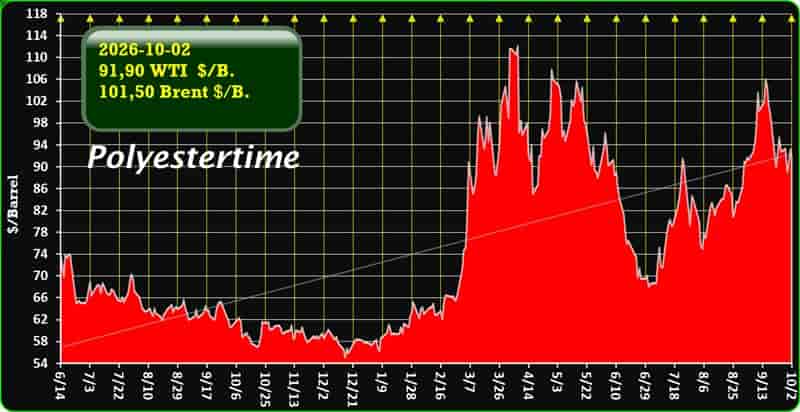
This renewed rally marks the first time in several years that global benchmarks have consistently approached or exceeded the $100 threshold, driven largely by escalating conflict in the Middle East and fears of disruptions to key oil shipping routes.
For energy markets and the global economy, the latest oil price surge underscores how quickly geopolitical risks can reshape supply expectations and investor sentiment.
Current crude benchmarks
| Benchmark | Current Price Range (Mar 2026) | Key Market |
|---|---|---|
| Brent Crude | $95 – $105 per barrel | Global benchmark |
| WTI Crude | $90 – $100 per barrel | U.S. benchmark |
| Price Trend | Up sharply | Driven by geopolitical risk |
Recent trading sessions saw Brent briefly jump above $101 before easing back toward the upper-$90 range, while WTI rose toward $95 per barrel, reflecting significant market volatility.
Geopolitical tensions dominate the oil price outlook
The main catalyst behind the latest oil price rally is the escalating conflict involving Iran and regional powers in the Middle East.
Recent attacks on oil infrastructure and shipping routes have intensified fears of supply disruptions across the Gulf region. Reports indicate that tankers were set ablaze in Iraqi waters and energy facilities targeted across several Gulf states, heightening concerns over the security of global oil supply.
The situation is particularly sensitive because the Strait of Hormuz, through which roughly 20% of global oil shipments pass, could become a chokepoint if tensions escalate further.
Energy markets typically react strongly to threats in this region, as even limited disruptions can remove millions of barrels per day from global supply.
Supply concerns and OPEC+ strategy
Beyond geopolitics, structural supply factors are also shaping the oil price trend.
The global oil market entered 2026 with relatively tight spare capacity, meaning unexpected disruptions can quickly translate into price spikes. At the same time, major producers within the OPEC+ alliance have maintained cautious output policies, limiting rapid increases in production.
Key supply-side factors influencing the oil price include:
-
Limited spare capacity among major producers
-
OPEC+ production management
-
Potential shutdowns of regional infrastructure
-
Disruptions to shipping lanes and terminals
Some governments have already announced the release of strategic reserves to stabilize markets, yet traders remain skeptical that such measures can offset longer-term supply risks.
Global demand remains resilient
Despite economic uncertainty, global oil demand continues to show resilience.
Several factors are supporting demand:
| Demand Driver | Impact on Oil Price |
|---|---|
| Emerging-market consumption | Sustained fuel demand growth |
| Aviation recovery | Rising jet fuel consumption |
| Industrial demand | Increased petrochemical usage |
| Transport sector | Continued reliance on gasoline and diesel |
While long-term energy transitions toward electrification and renewables continue, the global economy still relies heavily on crude oil for transportation and industrial processes.
Investor sentiment and market volatility
Investor sentiment across commodity markets has shifted toward caution.
The latest oil price rally has triggered broader financial market reactions, including declines in global equity futures and increased volatility across energy-linked assets.
Energy traders are currently pricing in a geopolitical risk premium, reflecting the possibility that supply disruptions could intensify if the regional conflict expands.
Markets are also responding to:
-
uncertainty about military escalation
-
potential shipping disruptions
-
government intervention in oil markets
-
currency fluctuations tied to energy prices
As a result, oil futures markets have experienced some of the most volatile trading sessions since the energy shock of 2022.
Economic implications of higher oil prices
A sustained rise in the oil price has broad consequences for the global economy.
Higher crude prices typically lead to:
-
increased fuel costs for consumers
-
higher transportation and logistics expenses
-
rising inflation pressures
-
tighter monetary policy responses
For example, analysts estimate that rising oil prices could significantly increase fuel expenses across Europe, adding billions of euros in energy costs for households and businesses.
Energy-intensive industries, including manufacturing, aviation, and shipping, are particularly sensitive to prolonged oil price spikes.
Short-term outlook for oil prices
Looking ahead, the short-term trajectory of the oil price will depend largely on geopolitical developments.
Three key scenarios dominate market expectations:
| Scenario | Oil Price Direction |
|---|---|
| Escalation in Middle East conflict | $110–$130 possible |
| Stabilization of shipping routes | Return to $85–$95 |
| Major supply disruption | Potential spike above $150 |
In the near term, analysts expect Brent to remain volatile within the $95–$105 range, while WTI may trade around $90–$100, reflecting ongoing geopolitical uncertainty and supply risks.
Final thoughts
The recent surge in the oil price highlights how fragile the global energy system remains. Even with strategic reserves and diversified supply chains, geopolitical shocks can quickly reshape the balance between supply and demand.
For policymakers, businesses, and investors, the coming weeks will be critical. If tensions in the Middle East ease, the oil price could stabilize. But if disruptions to shipping lanes or infrastructure intensify, energy markets may face another major price shock — with ripple effects across inflation, trade, and global economic growth.
More…