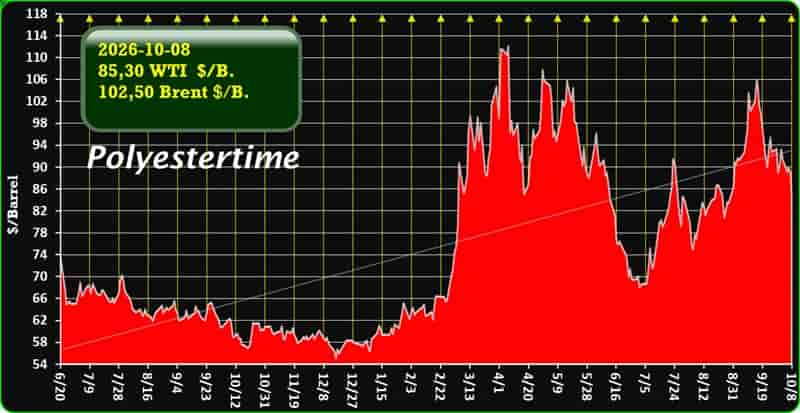
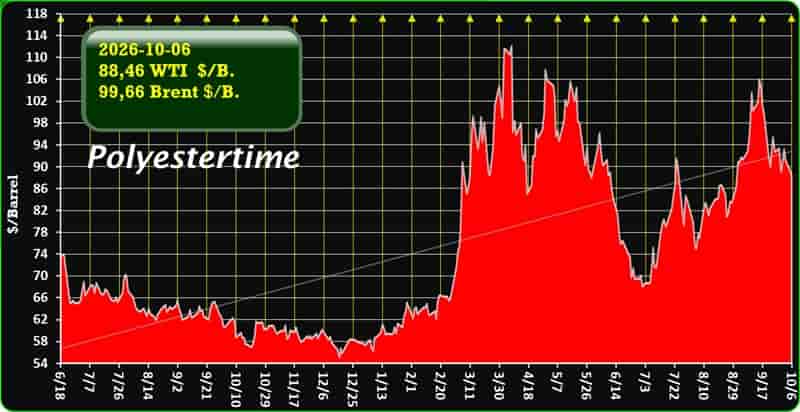
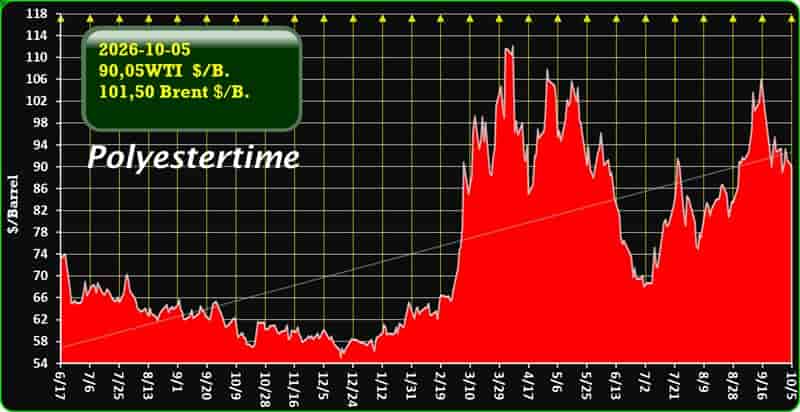
Oil Price Slumps on Eased Geopolitical Tension: Brent and WTI Dip Amid US-Iran Talks and OPEC+ Stability, Pressuring Markets on February 9, 2026
Current Oil Price Snapshot — February 9, 2026
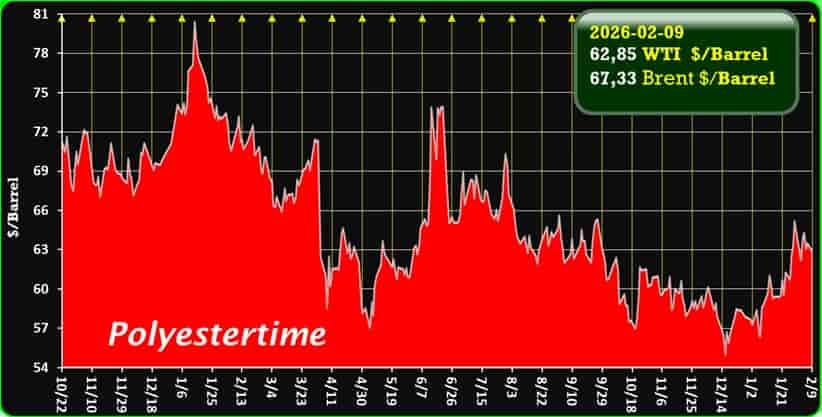
As of February 9, 2026, global oil benchmarks reflect easing from recent highs:
| Benchmark | Approx. Price (USD/bbl) | Trend (Recent) |
|---|---|---|
| Brent Crude | $67.33 | ⬇️ modest decline |
| WTI Crude | $62,85 | ⬇️ steady pressure |
These levels follow a period of volatility driven by geopolitical developments, supply expectations, and investor behavior.
🌍 What’s Driving the Oil Price Movement Today?
🕊️ Easing Geopolitical Tension
One of the central drivers of the recent pullback in oil prices has been optimism around U.S.–Iran diplomatic talks. Reports that negotiations in Oman are progressing have eased fears of a Middle Eastern conflict that could disrupt crude flows — particularly through the strategic Strait of Hormuz, through which nearly 20% of global oil consumption transits.
Markets interpreted this geopolitical de-risking as a reduction in the so-called “risk premium” that had pushed prices higher, triggering profit-taking and selling among speculative positions.
🛢️ OPEC+ and Supply Fundamentals
OPEC+ continues to play a vital role in crude pricing. Recent communications from the cartel indicate a preference to maintain production levels through at least March, sticking to previously announced supply discipline rather than ramping output.
Against that backdrop, some analysts point to signs of supply surplus pressures — particularly as U.S. shale output remains resilient and Saudi Arabia has modestly trimmed export prices, implying confidence in long-term demand despite near-term downward price moves.
📉 Demand Signals and Economic Data
Global demand dynamics also influence crude pricing:
-
Economic indicators in major consuming regions show mixed momentum. Slight improvements in U.S. consumer sentiment have tempered recession fears and helped balance oil markets.
-
However, broader industrial activity in Europe and Asia remains uneven, exerting pressure on energy consumption forecasts.
These demand cues are crucial for oil price formation, given the tie between economic growth and energy utilization.
📊 Investor Sentiment
Investor psychology today reflects a flight from risk as uncertainty oscillates:
-
Early February saw heavy selling in commodities, including oil, as easing geopolitical risk and stronger U.S. dollar pulled flows away from commodities.
-
Traders are balancing geopolitical optimism against structural oversupply concerns — a dynamic that heightens short-term price volatility even if long-term fundamentals point toward more stable range-bound pricing.
📈 The Broader Market Context
Technical analysts and price models suggest that the crude market is caught between:
-
Geopolitical risk premiums that can spike prices quickly, and
-
Fundamental oversupply pressures that could keep average oil price levels subdued throughout 2026.
Historical patterns show that when risk premiums dissipate — as with renewed diplomatic engagement — prices often retrace some of their prior gains, absent strong demand growth.
🔎 Short-Term Outlook
📆 What to Expect Next
Bullish scenarios for oil price include:
-
Breakdowns in US-Iran talks reigniting conflict fears.
-
Unexpected supply disruptions (e.g., sanctions or production outages).
-
Stronger-than-expected demand growth — particularly in Asia.
Bearish scenarios include:
-
Continued oversupply as global inventories rebuild.
-
Economic slowdowns in major energy markets.
-
OPEC+ easing production discipline.
Most consensus models project range-bound crude prices over the next few weeks, with Brent fluctuating between $65–$75 and WTI between $60–$70 per barrel if current conditions persist.
🌐 What Oil Price Trends Mean for the Global Economy
-
Consumer Costs: Lower crude can translate into softer gasoline and diesel prices, easing household budget pressures in major economies.
-
Inflation Outlook: Weaker energy prices can temper global inflation trajectories, influencing central bank policy decisions.
-
Energy Sector Investment: Prolonged lower prices may constrain investment in upstream capacity expansion, affecting future supply.
-
Emerging Markets: Oil exporters could face fiscal pressures if prices remain muted, affecting trade balances and government spending.
🚀 Final Takeaway
Today’s oil price landscape reflects a mix of geopolitical easing and fundamental market pressures. Brent at roughly $67.33 and WTI at about $62.85 encapsulate a market in transition, with investor sentiment highly sensitive to diplomatic headlines and supply forecasts. Short-term volatility remains probable, but absent severe disruptions, oil markets appear poised for a range-bound phase in early 2026.
More…