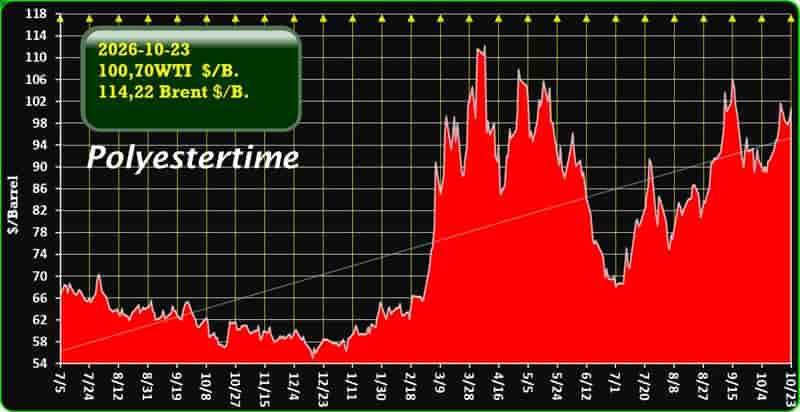
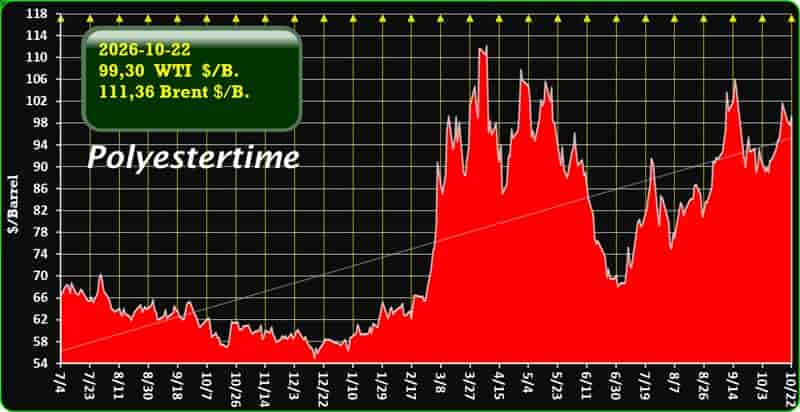
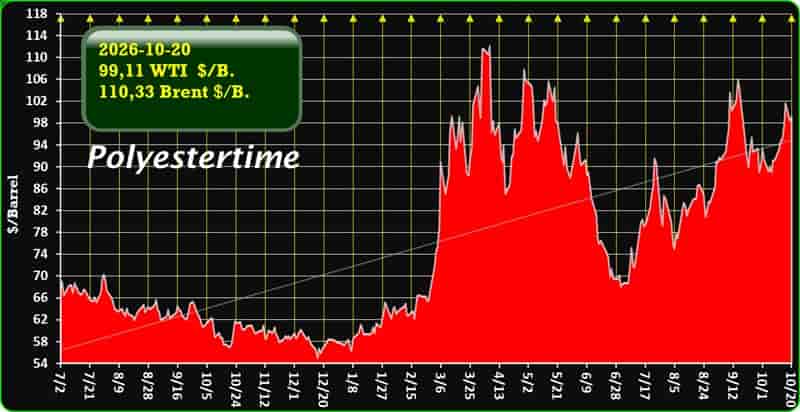
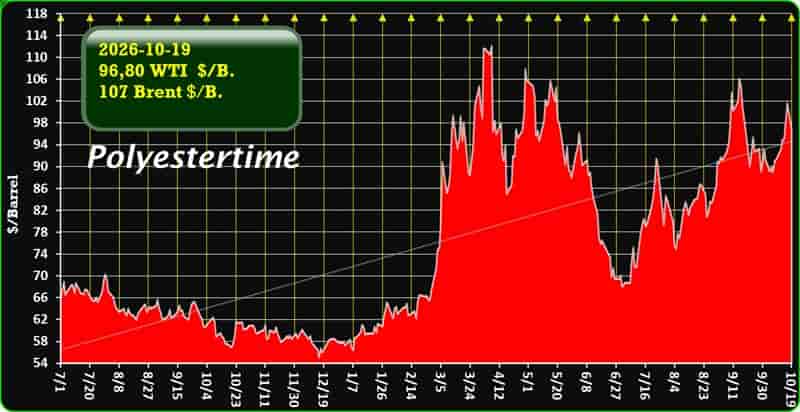
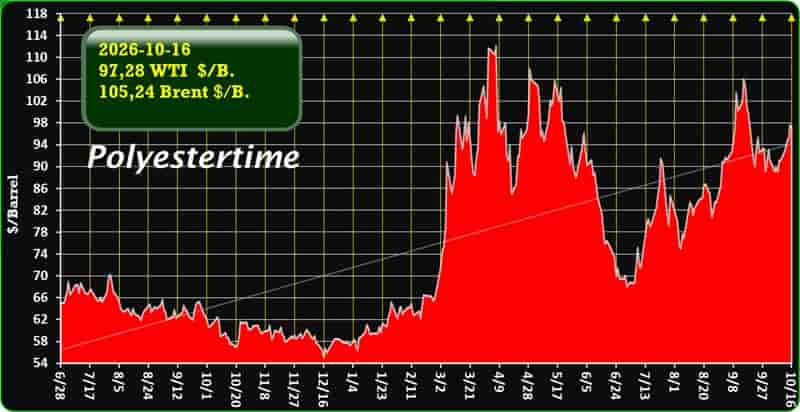
- Brent briefly surged above $113 per barrel amid fears of prolonged disruption.
- The Strait of Hormuz has faced partial closure, threatening a major portion of global oil shipments.
- Attacks and threats targeting energy infrastructure across the Middle East continue to fuel uncertainty.
This environment mirrors historical supply shocks, with analysts warning that disruptions could rival past oil crises if prolonged.
Supply vs demand: a market pulled in two directions
Despite strong upward pressure, the oil price is not moving in a straight line. The market is currently balancing two opposing forces:
1. Supply disruption fears (bullish)
- Reduced exports due to conflict and shipping risks
- Infrastructure damage across key producing regions
- Limited spare capacity from major producers
2. Potential supply relief (bearish)
- Prospects of eased sanctions on Iran, potentially releasing additional barrels into the market
- Strategic reserves and emergency measures under discussion
Markets are reacting to these mixed signals, with prices “whipsawing” as traders reassess the likelihood of each scenario.
OPEC+ and production strategy
OPEC+ remains a critical variable in the oil price trajectory. While the group has not yet made drastic changes, its role is increasingly strategic:
- Maintaining production discipline amid high prices
- Monitoring geopolitical developments before adjusting quotas
- Balancing revenue maximization with global economic stability
Any unexpected production increase could cap further oil price gains, but current uncertainty limits immediate action.
Investor sentiment: nervous and reactive
Investor sentiment is currently fragile and reactive. Oil markets are being driven less by fundamentals and more by headline risk:
- Traders are pricing in worst-case supply disruptions
- Volatility has increased across commodities and equities
- Energy-driven inflation fears are resurfacing globally
Financial markets are also showing signs of stress, with equities weakening as energy costs rise and recession risks grow.
Economic impact of rising oil price
The surge in oil price is already influencing the broader global economy:
- Higher fuel costs are feeding inflation
- Airlines and logistics sectors face margin pressure
- Governments are intervening to stabilize domestic fuel prices in some regions
There is growing concern that sustained high oil prices could trigger stagflation, particularly in energy-importing economies.
Short-term outlook for oil price
In the near term, the oil price outlook remains highly uncertain but tilted to the upside:
Bullish scenario:
- Continued disruption in the Strait of Hormuz
- Escalation of attacks on energy infrastructure
- Brent moving toward $115–125
Bearish scenario:
- Diplomatic progress or de-escalation
- Return of Iranian oil supply
- Prices stabilizing near $95–105
Most analysts expect continued volatility, with sharp price swings driven by geopolitical headlines rather than structural shifts.
What this means for global energy markets
The current oil price environment signals a return to geopolitics-driven energy markets, where supply security outweighs traditional fundamentals.
Key implications include:
- Increased investment in energy diversification
- Renewed focus on strategic reserves
- Stronger interest in alternative and renewable energy
Conclusion
As of March 23, 2026, the oil price reflects a market under stress, balancing real supply risks with uncertain future relief. Brent above $110 and WTI near $100 underscore the severity of current conditions.
In the short term, volatility will likely remain elevated. For businesses, investors, and policymakers, the key challenge is navigating an oil market where uncertainty—not equilibrium—is the dominant force.