Trump Iran Deal Signals 5 Key Shifts That Could Stabilize Oil Markets
Trump Iran deal raises cautious optimism after weeks of escalating conflict
The emerging Trump Iran deal is rapidly becoming one of the most consequential geopolitical developments of the year, especially after nearly a month of bombings, instability, and rising tension across the Middle East. According to statements made by Donald Trump before departing for Memphis, negotiations between the United States and Iran have reached agreement on several key points, potentially signaling a turning point in a crisis that has heavily impacted global oil flows and regional security.
At the center of the Trump Iran deal is a reported agreement covering 15 major points, including a critical commitment from Iran not to pursue nuclear weapons. This development, if confirmed and implemented, could reshape international relations and reduce fears of nuclear escalation in one of the world’s most volatile regions.
Direct negotiations suggest unexpected diplomatic opening
One of the most notable aspects of the Trump Iran deal is the claim that Iran initiated contact. Trump emphasized that the United States did not reach out first, stating that Iranian officials expressed interest in negotiating a deal. This detail, whether strategic or factual, underscores a shift in diplomatic dynamics and suggests that internal pressures within Iran may be influencing its willingness to engage.
The Trump Iran deal discussions reportedly involve communication with a highly influential figure in Iran, though not the Supreme Leader. This nuance is significant, as it points to potential internal divisions or alternative power channels within the Iranian political structure. For analysts, this raises important questions about who ultimately has the authority to enforce or derail any agreement reached.
Strait of Hormuz reopening could reshape global oil markets
A critical component of the Trump Iran deal revolves around the Strait of Hormuz, one of the most strategically important waterways in the world. After weeks of tension and partial disruption, the possibility of reopening the strait represents a major development for global energy markets.
Trump indicated that the Strait of Hormuz could soon reopen if negotiations continue successfully, even suggesting the possibility of joint control. Such an arrangement would be unprecedented and could fundamentally alter how this key maritime chokepoint is governed.
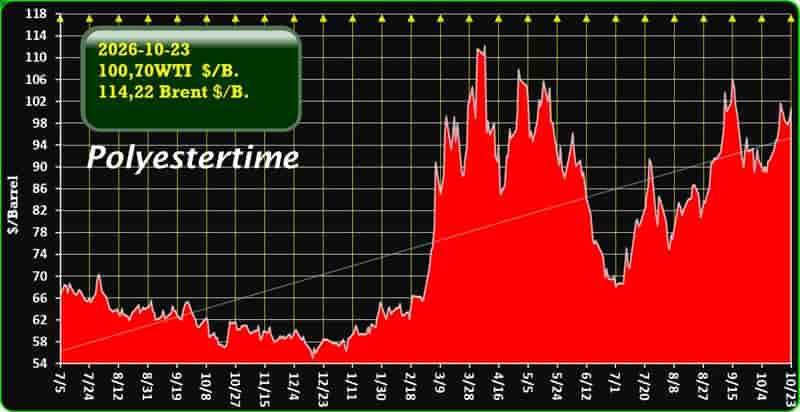
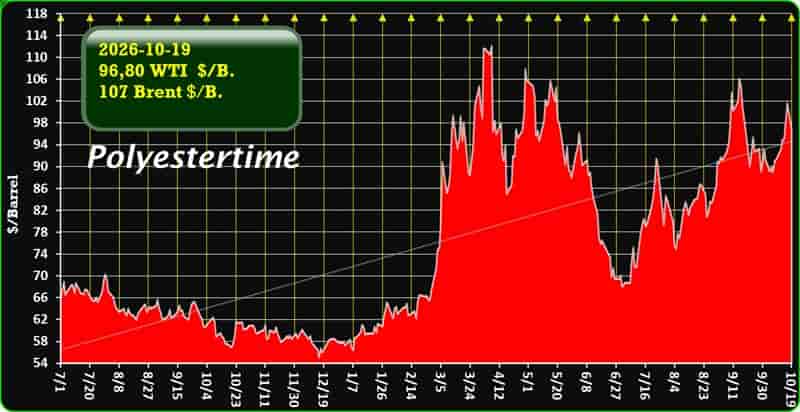
Given that a significant portion of the world’s oil supply passes through the Strait of Hormuz, the Trump Iran deal could have immediate and measurable effects on oil prices, supply chain stability, and broader economic conditions. Markets are likely to react quickly to any confirmation of reduced risk in the region.
Nuclear commitment remains the most critical and uncertain element
While the Trump Iran deal includes a reported agreement by Iran not to develop nuclear weapons, this aspect remains the most scrutinized and controversial. The memory of the 2015 nuclear agreement still looms large, particularly given accusations that Iran failed to fully comply with its obligations under that deal.
This historical context introduces a layer of skepticism around the current Trump Iran deal. Analysts and policymakers will likely demand robust verification mechanisms and enforcement frameworks to ensure that any commitments made are credible and sustainable.
Without clear monitoring and accountability, the risk remains that the agreement could follow a similar trajectory to past efforts, where initial optimism eventually gave way to renewed tensions and mistrust.
Political messaging and strategic positioning on both sides
The Trump Iran deal is also notable for its tone and messaging. Trump framed Iran as eager for a deal, even suggesting that the country needs better public relations. This framing aligns with a broader strategy of portraying the United States as negotiating from a position of strength.
At the same time, Iran’s willingness to engage may reflect internal economic pressures, sanctions fatigue, or strategic recalibration following weeks of conflict. The Trump Iran deal could therefore be seen as a convergence of interests, where both sides perceive potential benefits from de-escalation.
However, the absence of guarantees and the acknowledgment that talks are still ongoing highlight the fragility of the situation. Diplomatic breakthroughs in this context are often incremental and reversible.
Global implications extend far beyond the Middle East
The potential success of the Trump Iran deal would have far-reaching implications beyond the immediate region. Energy markets, international trade routes, and geopolitical alliances could all be affected by the outcome of these negotiations.
A stabilized Strait of Hormuz would reduce uncertainty for global shipping and energy supply chains, while a credible nuclear agreement could ease tensions between major powers involved in Middle Eastern affairs.
At the same time, failure or breakdown in the Trump Iran deal could lead to renewed escalation, further disruptions in oil supply, and increased volatility in global markets.
A fragile turning point with high stakes for global stability
The Trump Iran deal represents a critical juncture in an already complex and volatile geopolitical landscape. While the reported agreements on nuclear weapons and the Strait of Hormuz offer reasons for cautious optimism, significant uncertainties remain.
The success of the Trump Iran deal will ultimately depend on implementation, verification, and the ability of both sides to maintain trust in a historically fragile relationship. For now, the world watches closely as negotiations continue, aware that the outcome could shape global stability for years to come.
Strait of Hormuz Agreement Sparks Urgent Global Energy Stability Concerns 6 Nations Respond
More…