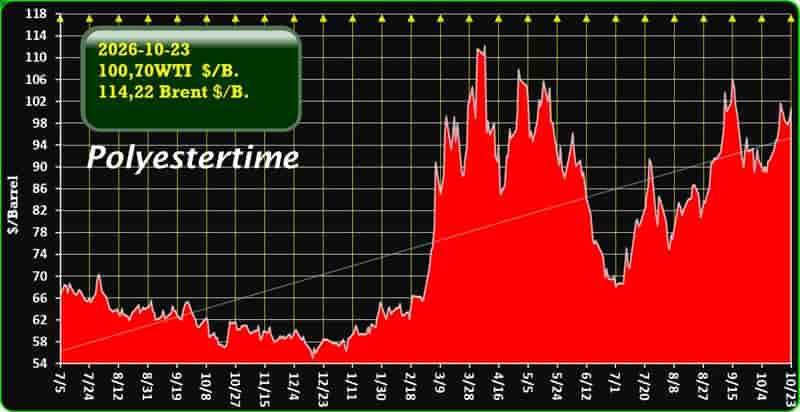
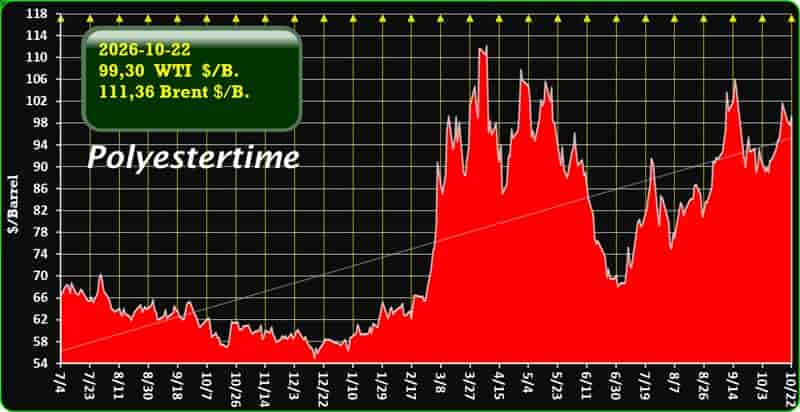
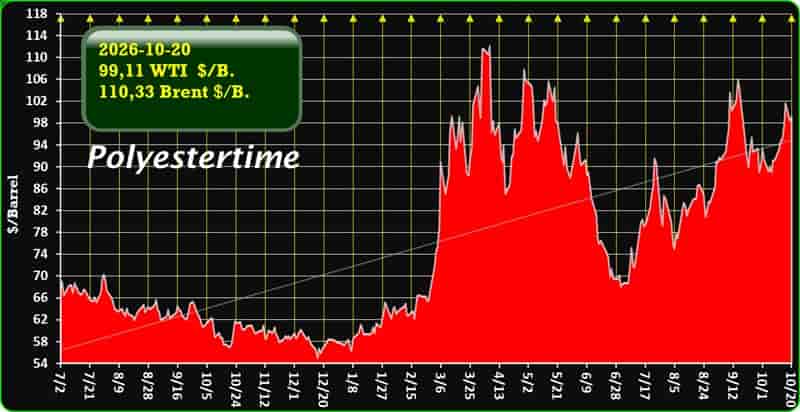
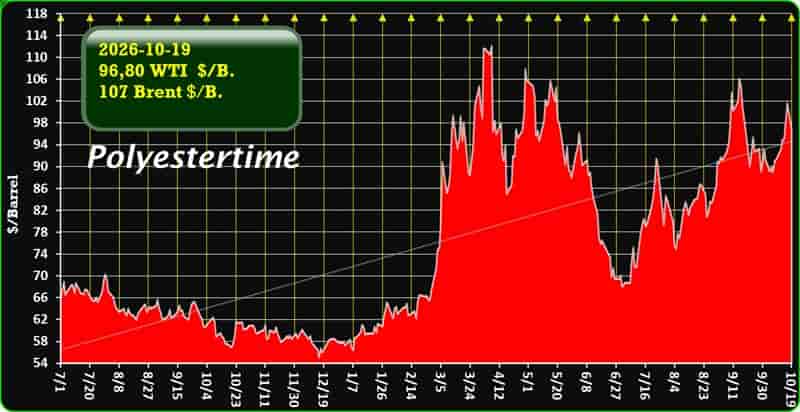
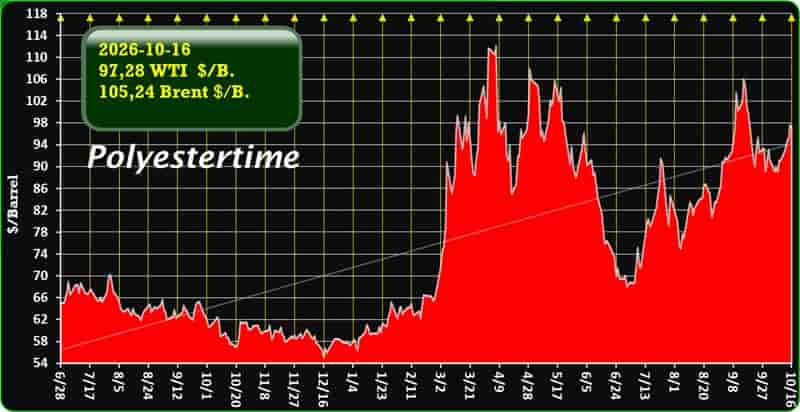
Why Oil Price Pressures Persist in 2026: Brent Near $68 and WTI Around $63 — Oversupply, Rising Inventories, Geopolitical Drag and Weak Demand Weigh on Markets 17-02-2026
Current Oil Price Snapshot (February 17, 2026)
As of February 17, 2026, oil price benchmarks are holding in a restrained trading range amid persistent market imbalances:
| Benchmark | Approximate Price (USD/barrel) | Trend vs Previous Day |
|---|---|---|
| Brent Crude | ~$67.80 | Slightly lower/slipping |
| WTI Crude | ~$62,82 | Moderately stable |
Both Brent and WTI have rebounded modestly over recent weeks but remain materially below their levels from a year ago, reflecting continued structural pressures on the oil market.
Key Drivers Shaping Today’s Oil Price Landscape
1. Global Supply and Demand Fundamentals
Fundamental imbalances continue to pressure oil price benchmarks. Despite growth in global oil demand projected for 2026, increasing production and rising inventories are offsetting upward price momentum. The International Energy Agency (IEA) reports that demand is expected to climb, led by non-OECD growth, but supply remains robust enough to restrain price spikes.
Additionally, official forecasts from the U.S. Energy Information Administration (EIA) suggest global inventories will rise throughout 2026, pressuring prices lower as production outpaces consumption.
Supply factors include:
-
Lofty output from OPEC+ and non-OPEC producers
-
Strategic stockpiling by major importers such as China
-
Limited consensus on deeper production cuts
Demand forces are currently moderate, with economic growth mixed globally and mobility demand yet to fully accelerate post-pandemic.
2. OPEC+ Actions and Policy Signals
OPEC+ remains a central market influencer. Reports indicate producers are weighing resumed output hikes into April — potentially increasing supply in an already well-supplied market. This dynamic contributes to downward pressure on oil price, even as the producer group aims to balance inventories.
Citi research, referenced widely in markets, suggests that production increases or a tapering of existing cuts under supportive U.S. policies would likely keep oil price averages lower — potentially near $60 Brent if broad supply trends persist.
3. Geopolitical Developments and Sanctions Impact
Geopolitics continues to introduce both risk premiums and uncertainty:
-
Iran and U.S. negotiations over sanctions and nuclear talks have the potential to release Iranian barrels to global markets — a bearish influence on oil price. Resolving diplomatic tensions could add supply back into the global system.
-
Sanctions and tanker seizures affecting Russian and Iranian exports elevate freight and risk costs, occasionally lifting crude values on short-term risk aversion. However, long-term sanctions pressure also depresses production and export efficiency.
-
Potential U.S. enforcement actions against rogue tankers carrying Iranian crude have previously sparked short-term price upticks, demonstrating how geopolitical headlines can influence trader sentiment.
4. Investor Sentiment and Market Expectations
Investor sentiment for oil price is cautiously weighted to the downside:
-
Major forecasts from commodity strategists and institutions point to average Brent prices near or below $60 in 2026 if global stocks continue to build.
-
Traders are watching inventory reports, OPEC+ communications and economic indicators closely — short-term volatility persists, but the broader trend reflects a pragmatic view of abundant supply.
Sentiment indicators, such as futures positioning and risk premiums, suggest investors are prepared for slower price growth unless a significant supply disruption materializes.
What This Means for Energy Markets and the Global Economy
Short-Term Outlook (Next 1–3 Months)
-
Range-bound Movement: Prices are expected to oscillate in a broad trading range around current levels, with Brent likely between mid-$60s and low-$70s and WTI structurally lower.
-
Bearish Tilt: Continued inventory accumulation, moderate demand growth and OPEC+ production policies are balanced by episodic geopolitical risk that can temporarily support oil price.
-
Watch Factors: Iran supply developments, strategic reserve builds, and macroeconomic data (growth, industrial activity).
Economic and Market Implications
-
Lower sustained oil price tends to benefit consumers via cheaper fuel and energy costs, supporting discretionary spending.
-
Energy producers, particularly higher-cost oilfields and shale operators, may face margin squeeze and capex cutbacks.
-
Central banks and inflation metrics could see muted energy price influence, potentially altering broader monetary policy decisions.
Final Word
The oil price trend into early 2026 reflects a market grappling with a balance between oversupply and risk-of-disruption. Prices around $68 for Brent and $63 for WTI point to a nuanced interplay between fundamental supply/demand dynamics, geopolitical developments, and investor sentiment. While geopolitical flare-ups can provide short-lived spikes, structural oversupply and rising inventories suggest a neutral-to-bearish backdrop in the medium term.
More…