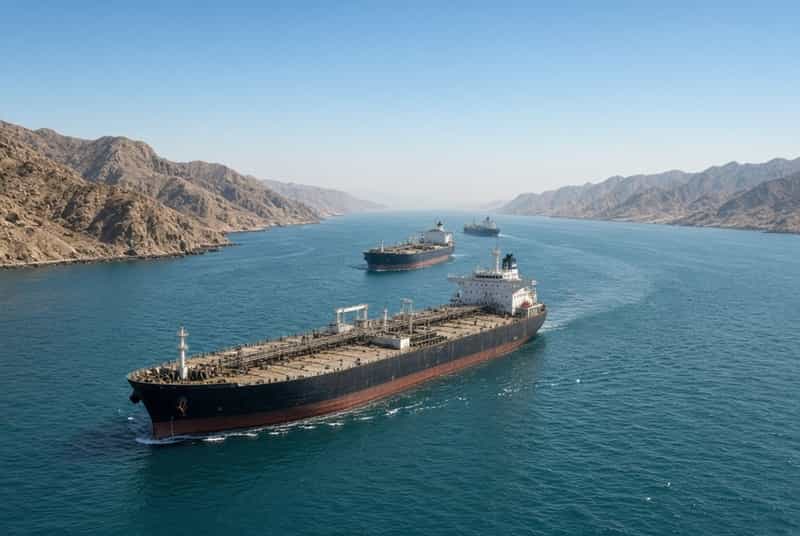
Oil Prices Fall Back as U.S.–Iran War Risk Eases, but Supply Fears Remain
Oil prices US Iran war
Oil Prices Fall Back as U.S.–Iran War Risk Eases, but Supply Fears Remain
Oil prices are showing signs of relief after weeks of geopolitical pressure linked to the U.S.–Iran war and the disruption risk around the Strait of Hormuz.
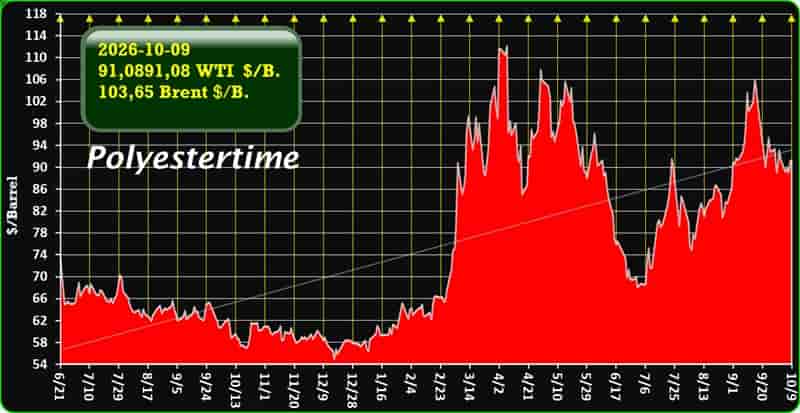
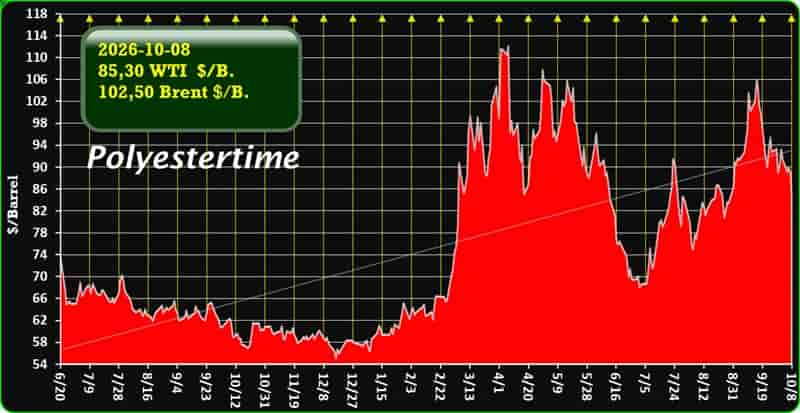
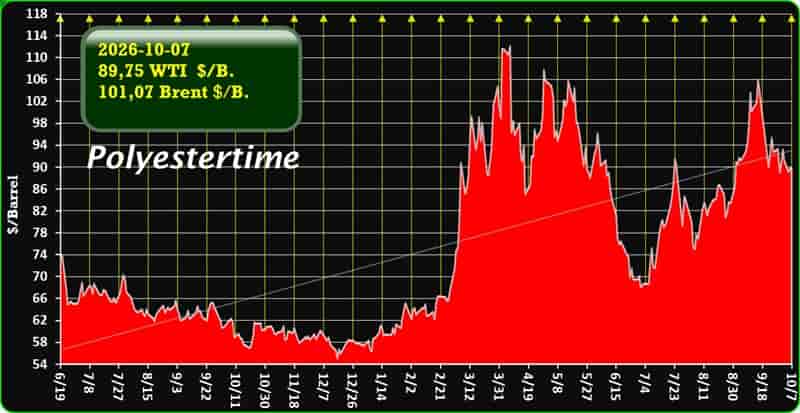
Brent crude is currently trading around $78 per barrel, while West Texas Intermediate, or WTI, is around $75 per barrel. These levels suggest that traders are pricing in a lower immediate risk of a major supply shock than they were during the most intense phase of the conflict.
However, the market is not back to normal.
The sharp fall in crude prices reflects optimism that diplomacy may reduce the risk of further military escalation. But oil remains highly sensitive to any renewed disruption in the Middle East, especially if shipping through the Strait of Hormuz is delayed, restricted, or threatened again.
Why oil prices are falling
The main reason oil prices have eased is that markets are reacting to signs of de-escalation between the United States and Iran.
When geopolitical tensions rise in the Middle East, oil traders usually add a risk premium to crude prices. That premium reflects the possibility that supply routes could be blocked, production could be damaged, or tankers could avoid dangerous waters.
Now that the risk of immediate escalation appears lower, part of that premium is being removed.
This explains why Brent has moved closer to the high-$70 range and WTI is trading near the mid-$70 range. The market is no longer pricing the same level of emergency risk that pushed crude prices higher during the conflict. oil prices US Iran war
The Strait of Hormuz remains the key risk
The most important location for oil markets is still the Strait of Hormuz.
This narrow waterway is one of the world’s most critical energy chokepoints. A significant share of global crude oil and liquefied natural gas moves through it. Any disruption there can quickly affect oil prices, shipping insurance, refinery planning, and fuel costs.
Even if a ceasefire or diplomatic agreement holds, the return to normal shipping may not be immediate. Tankers, insurers, port operators, and energy companies need confidence that the route is safe before traffic fully recovers.
That means the oil market may stay nervous even while headline prices decline.
Brent near $78 and WTI near $75: what the numbers mean
Brent near $78 per barrel and WTI near $75 per barrel point to a market that is calmer, but not relaxed.
These prices are lower than crisis-driven levels, but they still reflect uncertainty. Traders are balancing two competing forces.
On one side, the possibility of a U.S.–Iran de-escalation is bearish for oil prices. More stable shipping conditions would allow supply to move more freely and reduce panic buying.
On the other side, the market still faces tight inventories, fragile shipping routes, and the risk that any new military incident could push prices higher again.
In short, oil has come down because the worst-case scenario looks less likely. But prices have not collapsed because the market still sees real supply risk.
Why prices may not return to pre-war levels quickly
Even after a diplomatic breakthrough, oil markets often take time to normalize.
There are several reasons for this.
First, shipping schedules do not restart instantly. Tankers may face delays, inspections, insurance reviews, and route restrictions.
Second, producers that reduced output during the crisis may need time to restore normal operations.
Third, inventories have been drawn down in several regions. Rebuilding stockpiles can keep demand for crude firm even after the immediate crisis fades.
Fourth, energy buyers may continue to pay a geopolitical premium because they do not yet know whether the U.S.–Iran situation is permanently stabilized or only temporarily contained.
This is why lower prices do not necessarily mean the crisis is over.
What could push oil prices higher again
Oil prices could rise again if any of the following events occur:
- renewed U.S.–Iran military exchanges;
- attacks on tankers or energy infrastructure;
- delays in reopening or securing the Strait of Hormuz;
- lower-than-expected supply from Gulf producers;
- stronger demand from China, India, or the United States;
- faster inventory drawdowns;
- new sanctions affecting Iranian oil exports.
In that scenario, Brent could move back above $80 quickly, and WTI could follow.
The market is especially vulnerable because traders are now moving from panic pricing to conditional optimism. If that optimism is challenged, volatility could return.
What could push oil prices lower
Oil prices could fall further if the ceasefire holds and shipping flows recover faster than expected.
A stable diplomatic process would reduce the geopolitical risk premium. If tankers move safely through the Strait of Hormuz and Gulf production normalizes, traders may focus again on demand concerns, global economic growth, and non-OPEC supply.
In that case, Brent could remain below $80 and WTI could stabilize in the low-to-mid $70 range.
However, a sustained move lower would likely require more than political announcements. The market will want proof that physical oil flows are improving.
Impact on inflation, consumers, and businesses
Lower oil prices are good news for consumers and businesses, but the effect is not immediate.
Fuel prices usually respond with a delay. Refining margins, taxes, distribution costs, and local inventories all influence how quickly cheaper crude reaches drivers and companies.
For businesses, lower oil prices can reduce transport, logistics, airline, agricultural, and petrochemical costs. For households, the most visible impact may come through gasoline, diesel, heating, and some food prices.
Still, if oil remains volatile, companies may avoid cutting prices too quickly. Many will wait to see whether the U.S.–Iran situation is genuinely stabilizing.
Outlook: cautious relief, not a full reset
The current oil market can be described in two words: cautious relief.
Brent around $78 and WTI around $75 show that traders are no longer pricing an immediate worst-case scenario. The risk of a major escalation appears lower, and the possibility of improved shipping through the Strait of Hormuz has helped cool the market.
But the underlying situation remains fragile.
The U.S.–Iran war has reminded investors how quickly energy markets can be disrupted. The Strait of Hormuz remains central to global supply security, and any renewed tension could bring back a risk premium almost overnight.
For now, oil prices are lower because diplomacy has reduced fear. But until shipping flows, inventories, and regional security fully stabilize, the market is likely to remain highly sensitive to every new headline from the Middle East.
Key takeaway
Oil prices have eased, with Brent near $78 and WTI near $75, as hopes grow that the U.S.–Iran conflict may de-escalate. But the oil market is not yet back to normal. The Strait of Hormuz, tight inventories, and the risk of renewed military tension mean crude prices could remain volatile in the weeks ahead.
Oil Prices and the US-Iran War: Why Brent Near $83 and WTI Near $80 Still Signal Market Risk
More…