Oil Prices and the US-Iran Conflict: Why Brent Is Near $94 and WTI Above $91
Oil Prices Surge as US-Iran Tensions Persist: Brent Near $94 and WTI Above $91
Oil Prices US-Iran War
Oil Prices and the US-Iran Conflict: Why Brent Is Trading Near $94 and WTI Above $91
Key Takeaways
- Brent crude is trading around $94 per barrel.
- WTI crude is trading around $91 per barrel.
- Ongoing tensions between the United States and Iran continue to support oil prices.
- The Strait of Hormuz remains one of the most important factors influencing energy markets.
- Any breakthrough in negotiations could reduce the geopolitical risk premium currently embedded in oil prices.
Oil Prices Remain Elevated Amid Middle East Uncertainty
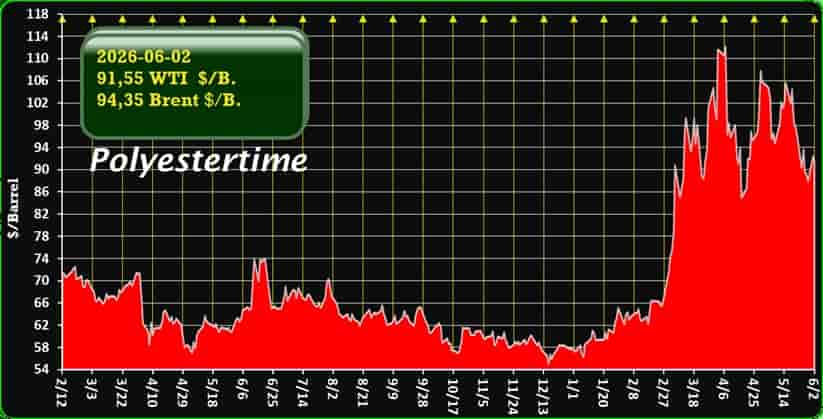
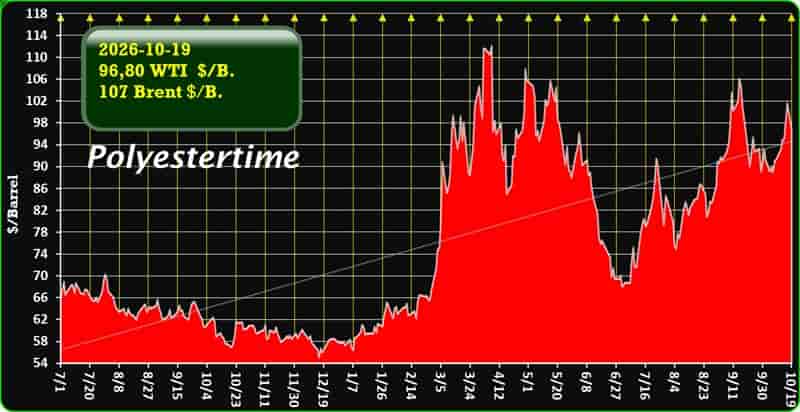
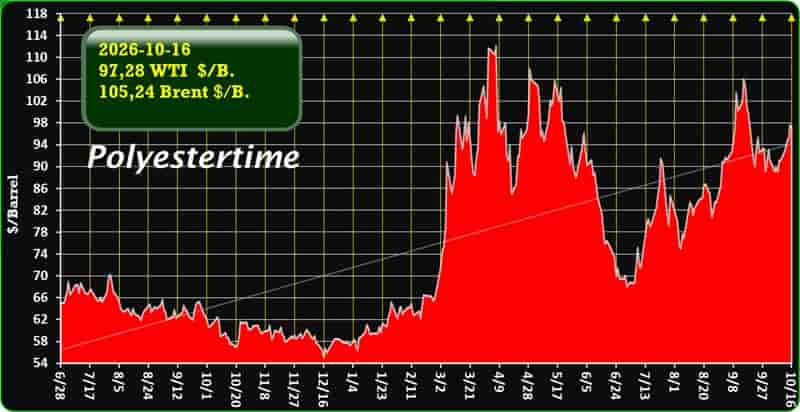
Oil markets started June on a volatile note as investors closely monitor developments involving the United States and Iran. Brent crude, the global benchmark, is trading near $94 per barrel, while West Texas Intermediate (WTI), the primary U.S. benchmark, remains above $91 per barrel. Recent trading sessions have seen sharp price swings as markets react to military developments, diplomatic statements, and concerns about energy supplies.
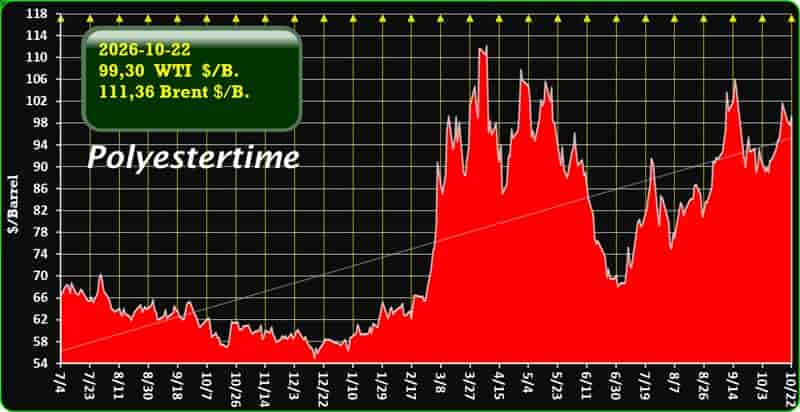
Although prices remain below the highs reached earlier during the conflict, traders continue to price in significant geopolitical risk. The possibility of supply disruptions in the Middle East remains a major concern for global markets.
Why the US-Iran Situation Matters for Oil Markets
The Middle East produces a substantial share of the world’s crude oil, and the region is home to the Strait of Hormuz, one of the most important energy shipping routes on the planet.
Roughly one-fifth of global oil and liquefied natural gas shipments normally pass through this narrow waterway. Any threat to maritime traffic immediately raises concerns about global supply shortages and pushes oil prices higher. Recent tensions involving Iran, combined with uncertainty surrounding negotiations with Washington, have kept investors on edge.
Energy traders are particularly sensitive to developments affecting shipping routes, export infrastructure, and regional security. Even the perception of future disruptions can trigger substantial price movements.
Latest Developments
Recent reports indicate that negotiations between the United States and Iran remain uncertain. While diplomatic contacts have not completely collapsed, markets continue to react to conflicting signals regarding the possibility of a broader agreement.
At the same time, concerns remain about regional military activity and the long-term security of energy transportation routes. These factors have contributed to renewed buying in crude oil markets after a period of weakness earlier in the year.
Investors are watching for three major developments:
- Progress in diplomatic negotiations.
- Security conditions in and around the Strait of Hormuz.
- Changes in global oil inventories and production levels.
Why Oil Is Not Trading Even Higher
Despite geopolitical tensions, oil prices have not returned to the extreme levels seen during some previous supply crises.
Several factors are helping limit further gains:
Slowing Global Demand
Analysts note that demand growth has softened in several major economies. Consumption trends in transportation, manufacturing, and petrochemicals have weakened compared with previous years. This softer demand is partially offsetting the impact of supply concerns. Oil Prices US-Iran War
Increased US Exports
The United States has increased crude oil exports significantly, helping to compensate for disruptions elsewhere. Recent data showed U.S. crude exports reaching record levels as buyers in Europe and Asia sought alternative supplies.
Market Expectations
Many traders still believe a diplomatic solution remains possible. As a result, some investors are reluctant to price in worst-case scenarios until there is clearer evidence of prolonged supply disruptions.
What Could Happen Next?
Bullish Scenario: Prices Move Higher
If tensions escalate further or if disruptions to shipping routes worsen, Brent crude could quickly move back toward the $100-per-barrel level. Several market analysts have warned that prolonged restrictions on energy flows could tighten supplies and reduce global inventories.
Under a severe supply shock, oil markets could experience substantial upward pressure, particularly if inventories continue to decline.
Bearish Scenario: Prices Ease
A meaningful diplomatic breakthrough between Washington and Tehran could remove much of the current geopolitical risk premium.
In that scenario:
- Shipping conditions could improve.
- Supply concerns could ease.
- Investor sentiment could stabilize.
- Oil prices could gradually move lower.
Several forecasts suggest that, over the longer term, weakening demand trends may place downward pressure on crude prices if geopolitical risks diminish.
Impact on Consumers and Businesses
Higher oil prices typically affect more than just energy markets.
When crude prices rise:
- Fuel costs tend to increase.
- Transportation expenses rise.
- Shipping costs become more expensive.
- Inflationary pressures can intensify.
- Businesses may face higher operating costs.
For consumers, sustained oil prices above $90 per barrel can eventually translate into higher gasoline, diesel, and heating costs, depending on local tax structures and refining margins.
What Investors Should Watch
Over the coming weeks, investors should closely monitor:
- US-Iran diplomatic developments.
- Shipping activity through the Strait of Hormuz.
- OPEC production decisions.
- US crude inventory data.
- Global economic growth indicators.
These factors will likely determine whether Brent remains near $94 or resumes a move toward the $100 threshold.
Conclusion
Oil markets remain heavily influenced by geopolitical developments in the Middle East. With Brent crude trading near $94 per barrel and WTI above $91, investors continue to price in uncertainty surrounding the relationship between the United States and Iran. While diplomatic progress could ease pressure on energy markets, risks surrounding regional security and global oil supplies remain significant.
For now, the market is balancing two competing forces: geopolitical supply risks and softer global demand. The outcome of that struggle will likely determine the next major move in oil prices during the second half of 2026.
Oil Prices and the US-Iran War: Why Brent Remains Near $94 and WTI Around $90
More…